
Dealing With Sugar Cravings on GLP-1s (Even When the Meds Are Working)
GLP-1 medications quiet hunger, but they don't erase sugar cravings entirely. Dr. Farhan Abdullah explains why cravings persist on semaglutide and tirzepatide, what the research shows about appetite and food noise, and a practical playbook for handling a craving when it hits.
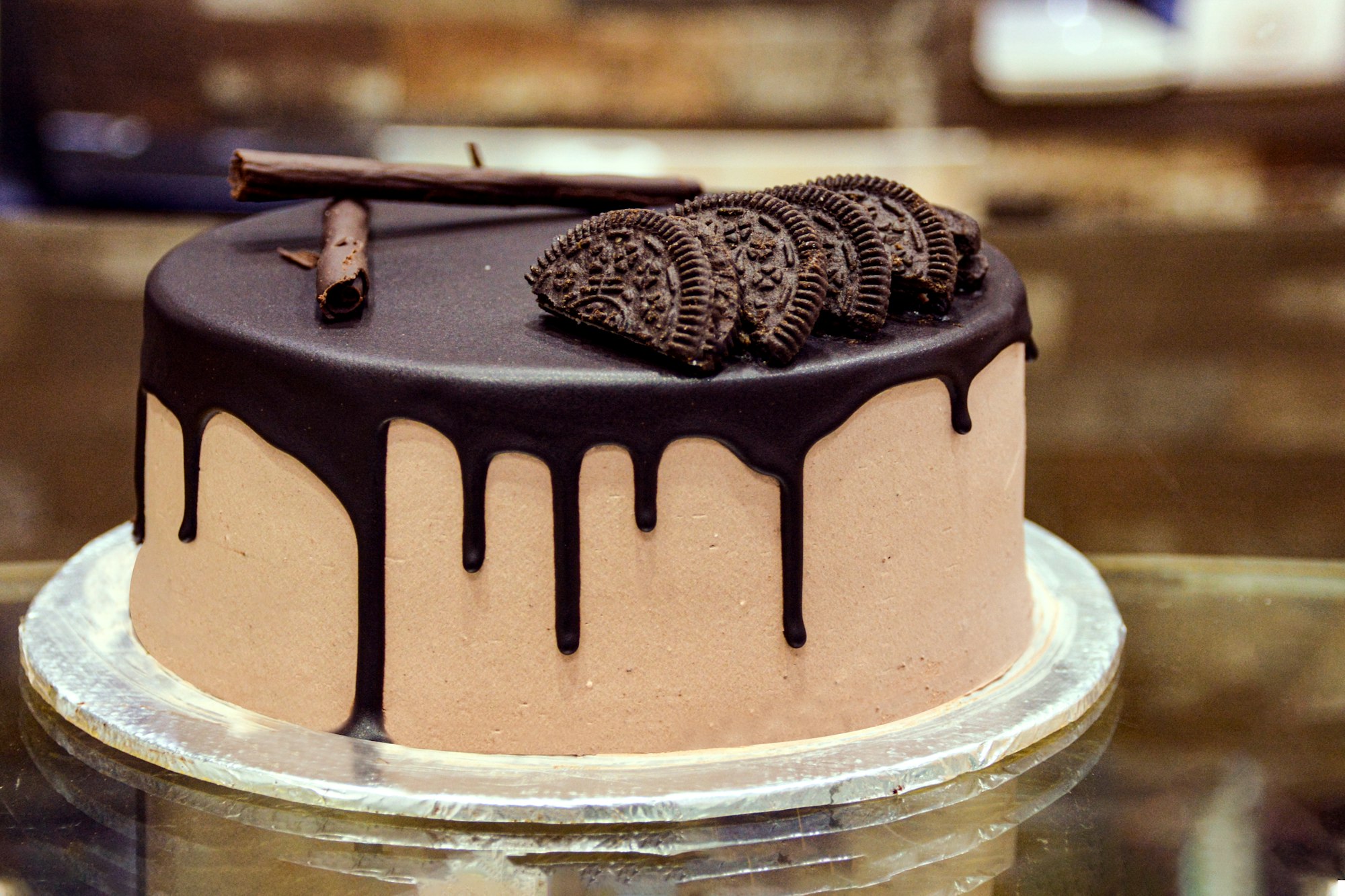


A patient sat across from me last week, four months into her semaglutide protocol, down twenty-two pounds, and looking frankly a little annoyed. "Dr. Abdullah," she said, "the food noise is gone. I don't think about lunch at 9am anymore. So why did I demolish half a sleeve of Thin Mints on Tuesday night?" Good question. And it's one I hear more than you'd expect from people on GLP-1 medications who assumed the appetite switch got flipped permanently to off.
Here's the thing worth understanding: GLP-1 drugs like semaglutide and tirzepatide are extraordinary tools, but they're not lobotomies for your sweet tooth. They quiet hunger. They stretch the time between meals. They dull the constant background hum of wanting to eat. What they don't do is erase the very old, very human wiring that lights up when you're stressed, tired, celebrating, grieving, or just standing in your kitchen at 10pm after a brutal day. At Magnolia Functional Wellness in Southlake, I've walked a lot of patients through this exact moment, and the ones who thrive are the ones who understand what the medication is actually doing and what it can't do for them.
So let's talk about sugar cravings. Why they persist even on the strongest weight loss medications we've ever had, what the research actually shows, and the practical moves that work when a craving hits and won't let go.
What GLP-1 Medications Actually Do to Appetite
To understand why cravings survive, you have to understand the mechanism. GLP-1 (glucagon-like peptide-1) is a hormone your gut releases after you eat. It slows gastric emptying, so food sits in your stomach longer and you feel full sooner. It signals your pancreas to release insulin appropriately. And it acts on receptors in your brain, particularly in the hypothalamus and hindbrain, that regulate satiety. Medications like semaglutide are engineered versions of this hormone that stick around far longer than the few minutes your natural GLP-1 lasts.
The appetite suppression is real and it's measurable. In a well-designed randomized trial published in Diabetes, Obesity and Metabolism in 2017, John Blundell and colleagues at the University of Leeds gave people with obesity once-weekly semaglutide and tracked not just how much they ate but what they wanted to eat. Participants consumed roughly 24% fewer calories at a buffet meal, reported less hunger, and, interestingly, showed a reduced preference for high-fat, energy-dense foods (Blundell et al., 2017). A later study led by Martin Friedrichsen, also in Diabetes, Obesity and Metabolism, confirmed similar effects with the 2.4 mg dose used for weight management, showing better "control of eating" scores and reduced cravings overall (Friedrichsen et al., 2021).
Notice the language, though. Reduced preference. Better control. These are shifts in the average, not guarantees for every moment of every day. The medication moves the baseline. It doesn't build a wall. When patients tell me their cravings dropped by eighty or ninety percent, I believe them, because that tracks with the data. But eighty percent isn't a hundred. And the ten or twenty percent that remains tends to show up at the most predictable, most emotionally loaded times.
Why Sugar Is Different (and Sneakier)
Sugar occupies a strange place in human physiology. We're born preferring it. Breast milk is sweet for a reason, and the preference for sweetness is one of the few taste inclinations we don't have to learn. Layer onto that biology a lifetime of associations, birthday cake, holiday pie, the candy bowl on a coworker's desk, and you get a stimulus that isn't just about calories. It's about memory, comfort, and reward.
This is where the concept of "food noise" gets interesting. Researchers have started trying to define it rigorously. A 2023 paper in the journal Nutrients by Daisuke Hayashi and colleagues at Penn State laid out a conceptual model of food cue reactivity, essentially the mental and physiological response we have to the sight, smell, or even thought of appealing food (Hayashi et al., 2023). Their framework helps explain something my patients describe all the time: the medication turns down the internal, homeostatic drive to eat, the "I'm running low on fuel" signal, but external and emotional cues run on partly separate circuitry. You can be physically satisfied and still find yourself reaching for something sweet because your brain just got a cue it learned to answer decades ago.
A cookie on the counter isn't a hunger signal. It's a cue. And GLP-1 medications are much better at addressing hunger than they are at rewiring the reward response to a cue you've reinforced ten thousand times. That's not a failure of the drug. It's just the boundary of what the drug does.
The Stress and Sleep Connection
There's another layer I always bring up. Cortisol, your primary stress hormone, drives cravings for sugar and refined carbohydrates. Poor sleep does the same thing, shifting the balance of ghrelin and leptin so you wake up hungrier and less satisfied. If you're on semaglutide but sleeping five hours a night and white-knuckling through a stressful stretch at work, you're fighting the medication with your own physiology. I've seen patients blame the drug for "not working" when the real culprit was three weeks of terrible sleep and a cortisol level that would make anyone reach for chocolate.
The Practical Playbook: What Actually Works
Alright, enough physiology. When a sugar craving hits and the medication hasn't made it vanish, what do you actually do? Here's what I coach my patients through, and most of it is unglamorous but effective.
Eat your protein first, and eat enough of it. This is the single highest-leverage move. On a GLP-1, your appetite is smaller, which means every bite has to count. If you fill your limited appetite with protein and fiber early in the day, you stabilize blood sugar and blunt the afternoon and evening crashes that trigger sweet cravings. I tell people to aim for roughly 25 to 30 grams of protein at breakfast. Skip it, and you're setting up a 3pm ambush.
Respect the blood sugar rollercoaster. A craving that feels emotional is often just a glucose dip in disguise. When you eat a refined carb by itself, your blood sugar spikes and then falls below where it started, and that trough is what your brain reads as "get more sugar, now." Pairing carbohydrates with protein, fat, or fiber flattens that curve. An apple with a handful of almonds behaves completely differently in your body than the apple alone.
Build a ten-minute delay. Cravings are waves, not permanent states. Most peak and recede within about ten to fifteen minutes if you don't feed them. When a craving hits, I ask patients to do something else for ten minutes first: a short walk, a glass of water, a phone call. Often the wave passes on its own. And if it doesn't, you can still eat the thing, just from a calmer place.
Don't ban the food entirely. This one surprises people coming from a doctor. Rigid restriction tends to backfire. The forbidden cookie becomes the only thing you can think about, and when you finally cave, you eat six instead of one. A planned, portioned indulgence, one square of good dark chocolate after dinner, satisfies the reward circuit without the binge-and-shame cycle. Sustainable beats perfect every single time.
Hydrate and check your electrolytes. GLP-1 medications can reduce your overall intake of food and fluid, and mild dehydration masquerades as hunger and craving with remarkable consistency. A lot of what patients interpret as a snack attack resolves with a big glass of water and a pinch of salt.
When Cravings Signal Something Worth Addressing
Most sugar cravings on a GLP-1 are normal and manageable. But sometimes they're telling you something. If your cravings are intense, constant, and not responding to any of the above, a few things are worth examining with your physician.
First, dose and titration. If you're early in your protocol or at a low starting dose, you simply may not be at the level where appetite suppression fully kicks in. This is common and expected. We titrate deliberately to minimize side effects, which means the first weeks often feel like the medication is barely doing anything on the craving front. That usually changes. Second, the medication itself. Some patients respond far better to tirzepatide than to semaglutide, or vice versa, and craving control is one of the areas where that individual variation shows up most. Third, and this is the one people skip, the emotional and behavioral side. If sweets are how you self-soothe after hard days, no medication on earth fully replaces that coping mechanism. It has to be rebuilt, not just suppressed.
This is exactly why I'm a broken record about physician-supervised weight loss rather than the mail-order, fire-and-forget approach. The medication is one input. Your protein intake, your sleep, your stress, your dose, your specific drug, and your relationship with food are all dials we can adjust. When someone tells me the cravings are winning, that's not a reason to quit. It's information, and usually it means one of those dials needs turning. If you want to understand how we structure this kind of monitoring, our guide to physician-supervised GLP-1 weight loss in DFW walks through what real supervision looks like, and you can read more about the specific medications on our semaglutide service page.
The Bigger Picture
I want to leave you with a reframe, because I think it matters. The goal of a GLP-1 medication was never to make you a person who feels nothing when they see dessert. That's not health. That's not even realistic. The goal is to lower the volume of the constant, intrusive, exhausting drive to eat so that you finally have the space to make deliberate choices. And within that space, an occasional craving, even an occasional indulgence, isn't a failure. It's just being a human who happens to have a much quieter appetite than before.
The patients who do best on these medications aren't the ones with zero cravings. They're the ones who stopped expecting zero and started building a handful of reliable responses for the cravings that remain. Eat the protein. Flatten the blood sugar. Wait out the wave. Sleep. And when a square of chocolate genuinely sounds good after dinner, have it, and move on with your evening.
If you're on a GLP-1 and feeling like the cravings are more than you expected, or if you're considering starting one and want it done with actual medical oversight, that's the work we do every day at Magnolia Functional Wellness here in Southlake. Cravings aren't a character flaw, and they're not a sign the medication failed. They're just part of the terrain, and it's terrain we know how to navigate together.
By Dr. Farhan Abdullah, DO | Medical Director, Magnolia Functional Wellness | Southlake, TX
Your Questions Answered
Led by trained medical professionals delivering safe, effective, and scientifically backed aesthetic and wellness treatments.
Why does my blood sugar spike after eating healthy foods like fruit or oatmeal?
Because that's exactly what your metabolism is supposed to do. When you eat carbohydrates, your glucose rises and then insulin brings it back down. A brief rise after fruit or oatmeal in a healthy person isn't dangerous, it's the system working. What matters more is how quickly you return to baseline, not the peak number that your CGM app flashes at you.
Should I skip breakfast if I'm trying to lose weight?
Usually no. The research on meal timing leans toward front-loading your calories, meaning a solid breakfast and lunch with a lighter dinner, rather than skipping the morning and eating most of your food at night. If you'd rather compress your eating window, it's generally better to do it earlier in the day. We help patients at Magnolia figure out what fits their schedule and their labs.
When should I increase my GLP-1 dose?
The short version is when you've truly stalled at your current dose for three to four weeks, your appetite control has clearly faded, and you're tolerating the medication well with no lingering nausea. If the medication is still quieting your appetite and the scale is slowly creeping down, there's usually no reason to move up. At Magnolia Functional Wellness in Southlake, we make that call together based on your weight trend, your hunger, and your side effects, not a fixed calendar.
Why do I still crave sweets even though my appetite is way down on semaglutide?
It's because appetite and cravings run on partly different wiring. GLP-1 medications like semaglutide are great at quieting hunger, the physical drive to eat, but sugar cravings are often triggered by stress, habit, poor sleep, or emotional cues that the medication doesn't fully touch. That's completely normal. At Magnolia Functional Wellness in Southlake, we help patients build simple strategies for the cravings that stick around, and we'll check whether your dose or medication needs adjusting.
How do I handle a sugar craving when it hits at night?
First, give it about ten minutes, since most cravings peak and fade if you don't feed them right away. Drink a glass of water, because mild dehydration often masquerades as a craving. If it's still there, a small planned treat like one square of dark chocolate usually satisfies it without spiraling into a binge. If nighttime cravings are constant, that's worth bringing up at your next visit so we can look at your protein intake, sleep, and dose together.
Need More Information?
Our team is ready to answer your specific questions and concerns.