



Orthobiologics & Regenerative Medicine in Southlake, TX
Orthobiologics is a rapidly evolving field of medicine that explores how biologically derived agents — including platelet-rich plasma, cellular therapies, and cell-derived signaling molecules — may support the body's natural healing processes. At Magnolia Functional Wellness, Dr. Farhan Abdullah brings a board-certified Internal Medicine physician's perspective to regenerative health, guiding patients through evidence-informed options with complete transparency about what the science supports. Schedule a consultation to discuss whether regenerative approaches are appropriate for your situation.
Learn More About
Orthobiologics
.svg)
What is
Orthobiologics
Orthobiologics is a branch of medicine — practiced extensively in sports medicine, orthopedic surgery, and regenerative health — that studies the use of biologically derived substances to support tissue repair, modulate inflammation, and work with the body's own healing mechanisms. The field encompasses several distinct agents, each with its own mechanism, evidence base, and regulatory status.
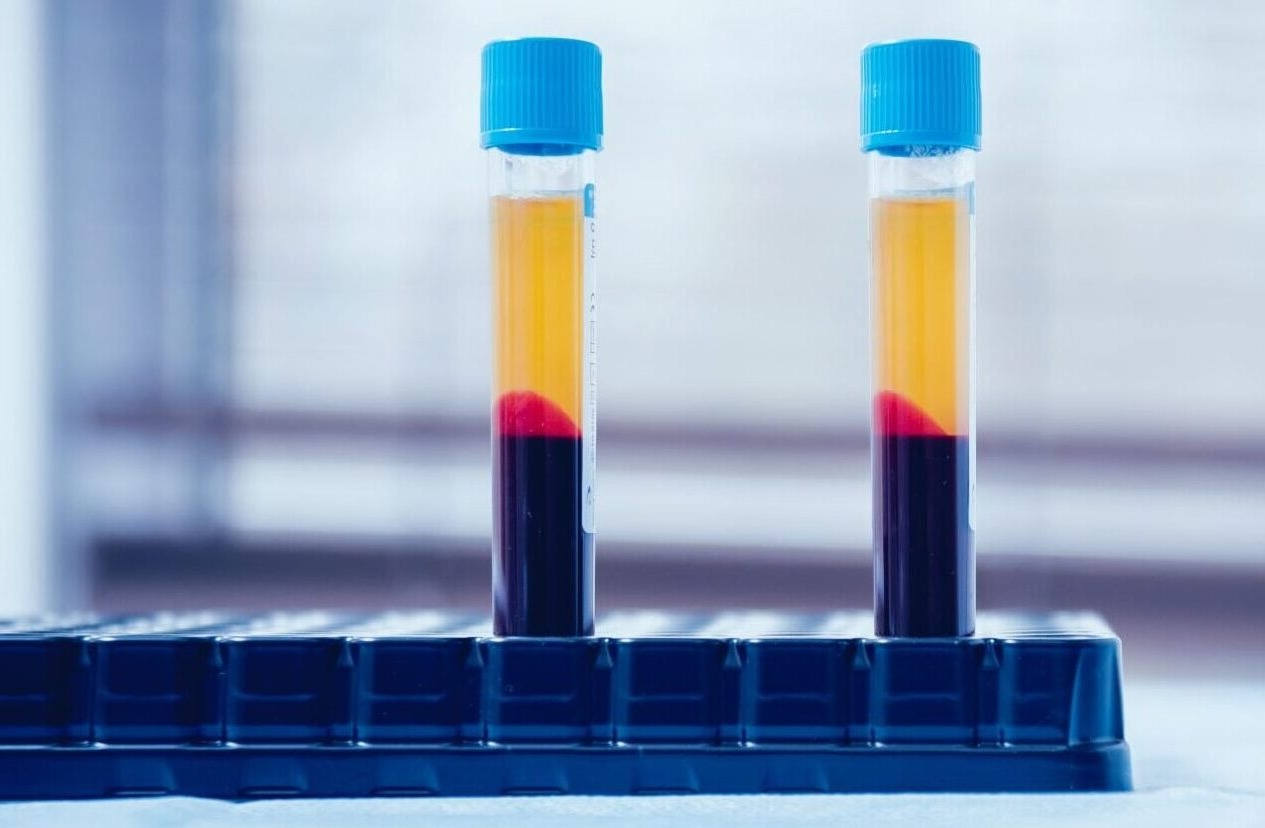
Platelet-Rich Plasma (PRP): PRP is derived from your own blood. A small blood draw is processed by centrifuge to concentrate the platelet layer, which contains growth factors including PDGF, TGF-β, VEGF, and IGF-1 — proteins that play established roles in tissue repair signaling. Because PRP is autologous (derived from your own body), minimally manipulated, and used in a homologous fashion, it is compliant with FDA regulations governing human cell and tissue products under 21 CFR 1271. PRP has the most extensive clinical research base of any orthobiologic agent and is widely used in mainstream orthopedic and sports medicine practice.
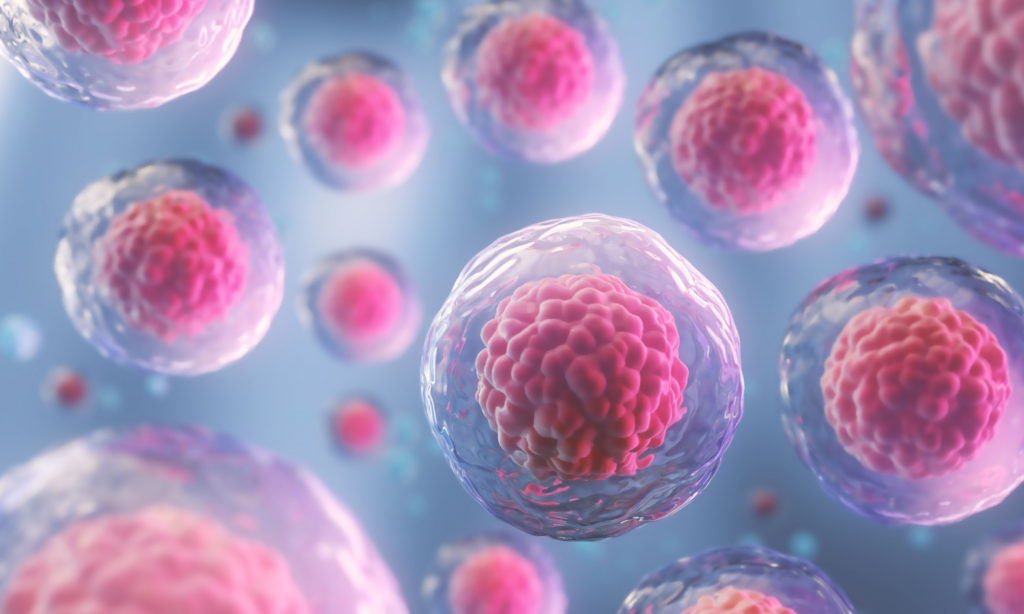
Mesenchymal Stromal Cells (MSCs): MSCs are multipotent cells that have been extensively studied in the scientific literature for their roles in tissue repair signaling, immunomodulation, and regenerative support. It is important to understand the regulatory landscape clearly: the FDA has stated that the only stem cell-based products approved for use in the United States are hematopoietic progenitor cells derived from cord blood for specific blood disorders. MSC preparations for musculoskeletal and systemic applications are not FDA-approved treatments. Dr. Abdullah educates patients on the current research landscape, the regulatory status, and what the available evidence does and doesn't support during a dedicated consultation.
Exosomes: Exosomes are nanoscale extracellular vesicles that carry signaling molecules — microRNA, proteins, and growth factors — studied for their roles in cell-to-cell communication. The FDA has stated clearly that there are currently no FDA-approved exosome products. Exosome preparations in the regenerative medicine space are sourced from FDA-registered labs but are not FDA-approved treatments. Dr. Abdullah discusses the current state of the research, the regulatory environment, and realistic expectations with patients seeking information about exosome-based approaches during consultation.

Why do We Use
Orthobiologics
The rationale for exploring orthobiologics rests on a well-established biological principle: many musculoskeletal conditions involve insufficient or dysregulated healing in tissues with limited intrinsic repair capacity. Tendons, cartilage, and ligaments have poor blood supply. The growth factors and signaling molecules studied in orthobiologics research are the same ones your body uses to orchestrate repair — the question the field investigates is whether delivering concentrated forms of these signals to damaged tissue can meaningfully support recovery.
For PRP, this question has been examined in numerous controlled trials. The evidence is strongest for knee osteoarthritis, lateral epicondylitis, and plantar fasciitis, though study quality and results vary. For MSC and exosome research, the literature is earlier-stage and growing — with ongoing studies examining musculoskeletal support, inflammatory modulation, and tissue repair mechanisms.
Dr. Abdullah reviews the current evidence with every patient who inquires about regenerative medicine options. His internal medicine background means he evaluates these approaches within the context of your complete health picture — not as standalone quick fixes, but as potential components of a comprehensive approach to musculoskeletal health and healthy aging.
Transparency about what the evidence supports — and what it doesn't — is the foundation of how we approach this field.

Key Benefits of
Orthobiologics
Biologically Derived Protocols: Orthobiologics work through your body's own biological systems — using substances derived from human biology to deliver signals your tissues already understand.
Physician-Supervised Clinical Precision: Dr. Abdullah evaluates each patient's suitability, selects the appropriate agent and concentration, and administers treatments with ultrasound guidance where clinically indicated. Protocol design is individualized, not standardized.
Complementary to Conventional Care: Orthobiologics are most often used alongside — not instead of — conventional treatment. They may be appropriate when conservative care has plateaued and invasive intervention isn't yet warranted or desired.
Physician-Guided Education on Advanced Options: For patients interested in MSC and exosome research, Dr. Abdullah provides a thorough, honest education on what the science currently shows, what the regulatory status is, and what realistic expectations look like — without the hype that characterizes much of the marketing in this space.
Integrated with Whole-Health Medicine: Hormone optimization, metabolic health, and inflammatory load all affect how your body responds to any regenerative approach. Dr. Abdullah considers these factors because regenerative medicine works best in a healthy biological environment.
Honest Expectations from a Physician Who Reads the Literature: Dr. Abdullah stays current with the orthobiologics research and will tell you when the evidence is strong, when it's preliminary, and when a different approach would serve you better.
Who Benefits Most From
Orthobiologics
Patients with Mild to Moderate Osteoarthritis: Joint osteoarthritis in the early to moderate stages — before bone-on-bone changes and significant structural loss — represents the window where orthobiologics have the most meaningful impact. PRP's growth factor concentration and stem cell/exosome treatments' regenerative signaling can meaningfully reduce inflammatory burden, support the remaining cartilage matrix, and improve joint function in patients who still have tissue worth supporting. Patients with Kellgren-Lawrence grade II–III OA on imaging who haven't achieved adequate relief from physical therapy, NSAIDs, and corticosteroid injections are the core population where the risk-benefit calculation for orthobiologics is most favorable.
Patients Seeking to Delay or Avoid Joint Replacement Surgery: Orthopedic surgeons appropriately recommend joint replacement when conservative options are exhausted and quality of life is substantially impaired. But "conservative options" in mainstream orthopedics rarely includes biologics — the regenerative medicine layer between steroid injections and the operating room is frequently missing from conventional care pathways. Patients who've been told they'll need a knee or hip replacement "eventually" but aren't ready — either because they're too young, too active, or simply want to explore every option first — are exactly who regenerative joint treatments are designed for. Dr. Abdullah is transparent about what orthobiologics can and can't achieve, and the consultation starts with an honest assessment of whether your imaging and clinical picture make you a realistic candidate.
Athletes with Acute and Chronic Sports Injuries: Ligament sprains, partial tendon tears, muscle injuries, and chondral lesions in athletes present a clinical challenge where the standard treatment options are either conservative management (often inadequate for structural injuries) or surgery (often excessive for partial injuries). Orthobiologics occupy the middle ground — providing concentrated regenerative signals to structures that have limited intrinsic healing capacity due to poor vascularity (meniscus, ligaments, cartilage) or chronic microtrauma overload. For the athlete who wants to get back to performance rather than accept a permanent functional limitation, PRP and stem cell approaches offer a regenerative option that neither rest alone nor surgery typically provides.
Patients with Chronic Tendinopathy and Enthesopathy: Chronic tendinopathy — where the normal healing response has failed and the tendon exists in a state of disorganized collagen and degenerative change rather than acute inflammation — responds differently to treatment than acute tendon injuries. PRP delivers platelet-derived growth factors (PDGF, TGF-β, IGF-1) directly to degenerative tendon tissue, stimulating tenocyte proliferation and organized collagen synthesis that the tissue hasn't been able to mount on its own. Used alongside SoftWave shockwave therapy at Magnolia, the combination addresses both the biophysical stimulation component (SoftWave) and the biologic growth factor delivery component (PRP) simultaneously.
Patients Who've Had Inadequate or Temporary Response to Corticosteroid Injections: Corticosteroid injections are effective at reducing acute inflammation and providing short-term pain relief, but they don't address the underlying tissue pathology and have documented catabolic effects on cartilage and tendon tissue with repeated use. Patients who've received multiple steroid injections with diminishing returns, or whose relief lasted weeks rather than months, are candidates for a regenerative approach that works through tissue repair mechanisms rather than inflammation suppression. The clinical trajectory of repeated steroid injections — progressive tissue degradation alongside temporary symptom management — is the problem orthobiologics are designed to interrupt.
What To Expect From
Orthobiologics
Step 1 — Regenerative Medicine Consultation: Dr. Abdullah reviews your medical history, current conditions, imaging if relevant, and your goals. He provides a thorough discussion of which orthobiologic approaches have the strongest evidence for your specific situation, what the regulatory status of each option is, and what realistic outcomes look like. This consultation is the foundation of everything else.
Step 2 — PRP Assessment & Administration: For patients who are appropriate PRP candidates, the process begins with a blood draw processed in-office using advanced centrifugation. For musculoskeletal applications, injections are performed under ultrasound guidance for precise delivery. Most patients return to normal activity within 24–48 hours.
Step 3 — Advanced Regenerative Consultation: For patients interested in learning about MSC or exosome research and whether these approaches may be relevant to their situation, Dr. Abdullah provides a dedicated educational consultation. Regulatory status, evidence quality, sourcing standards, and realistic expectations are discussed thoroughly before any decisions are made.
Step 4 — Protocol Design: Treatment protocols are individualized based on your specific condition, health status, and goals. Some patients are appropriate candidates for PRP as a standalone approach; others may benefit from a combination strategy. Dr. Abdullah designs protocols based on clinical judgment, not a standard menu.
Step 5 — Monitoring & Follow-Up: Response is assessed at 6–8 weeks and 3 months using both clinical evaluation and objective markers where available. Protocol adjustments are based on your actual response.

Is
Orthobiologics
right for me?
Orthobiologics may be worth discussing if you're dealing with a musculoskeletal condition that hasn't responded fully to conventional care, you're interested in a regenerative approach to healthy aging and tissue support, or you're seeking to complement your existing treatment plan with biologically based options. They are not appropriate for patients with active malignancy, and MSC protocols involve additional considerations that Dr. Abdullah reviews individually.
For musculoskeletal conditions, the strongest evidence currently exists for PRP — MSC and exosome protocols involve a more individualized benefit-risk discussion. Dr. Abdullah will give you an honest assessment — including when orthobiologics are unlikely to produce meaningful benefit for your specific situation, and when a conventional or surgical approach is more appropriate. We don't oversell these therapies. That approach isn't good medicine, and it isn't how we operate.
Orthobiologics & Regenerative Medicine at Magnolia Functional Wellness
The regenerative medicine space has a significant credibility problem. Clinics making sweeping claims about stem cells and exosomes are everywhere. The marketing frequently outpaces the evidence by years. Patients who've done research — and who've encountered both the promising science and the regulatory complexity — deserve a physician who will engage with both honestly.
Dr. Farhan Abdullah is a board-certified Internal Medicine physician and Assistant Professor at UT Southwestern School of Medicine and TCU/UNTHSC School of Medicine with specialized training in regenerative medicine. Magnolia Functional Wellness is LegitScript certified — a credential that reflects our commitment to accurate representations, proper regulatory disclosure, and the standards of a physician-led practice.
Our Approach to Orthobiologics
We lead with PRP. It's the most evidence-supported orthobiologic agent, fully regulatory-compliant as an autologous tissue product, and widely used in mainstream orthopedic and sports medicine practice. Our PRP protocols use advanced centrifugation for superior platelet concentration and ultrasound guidance for musculoskeletal applications.
For patients interested in the broader orthobiologics landscape — including the research on MSCs and exosomes — we provide thorough, physician-guided education. That means an accurate discussion of what the published literature shows, what the current FDA regulatory status is (we state clearly that MSC and exosome products for these applications are not FDA-approved), what sourcing standards matter, and what realistic expectations look like.
Why Regulatory Transparency Matters Here
The FDA has been explicit: there are currently no FDA-approved exosome products, and the only approved stem cell products in the US are cord blood-derived hematopoietic cells for specific blood disorders. Any clinic that implies otherwise is either misinformed or misleading you.
We disclose this clearly — not because it limits us, but because informed consent is the foundation of ethical medicine. Patients who understand exactly what they're considering, what the evidence supports, and what the regulatory environment looks like are patients who can make genuinely informed decisions. That's the standard we hold ourselves to.
The Physician Difference in Regenerative Medicine
Regenerative medicine outcomes depend significantly on patient selection, protocol design, delivery technique, and the quality of the biological agent used. All of these require clinical judgment that goes beyond administering a product.
Dr. Abdullah evaluates your full health picture — hormone status, metabolic health, cardiovascular history, inflammatory markers — because these factors affect how your body responds to any regenerative approach. This is whole-health medicine, not a single-treatment solution.
We serve patients from Southlake, Westlake, Keller, Colleyville, Trophy Club, Grapevine, Flower Mound, and throughout the greater DFW area. Schedule a consultation to discuss whether orthobiologics are appropriate for your situation.
How Process Works at
Magnolia Functional Wellness
Assess
We begin with a comprehensive evaluation of your health, goals, and medical background to understand the root causes, not just the symptoms.
Personalize
Based on your results, we create a tailored functional wellness plan using evidence-based therapies designed specifically for your body and needs.
Optimize
Through ongoing care, monitoring, and adjustments, we help you achieve sustainable improvements in performance, vitality, and long-term health.
LegitScript Certified — Verified Compliance
Magnolia Functional Wellness is LegitScript certified, reflecting independent verification of our commitment to accurate health claims, regulatory transparency, and ethical medical practice. We say what the evidence supports — nothing more.
PRP: Evidence-Supported & Regulatory-Compliant
PRP is our core orthobiologic offering — fully compliant with FDA regulations as an autologous tissue product, with the most extensive clinical research base in the field. Advanced centrifugation and ultrasound-guided delivery for superior outcomes.
Honest Regulatory Disclosure on Advanced Options
For patients interested in MSC and exosome research, Dr. Abdullah provides accurate FDA status disclosure upfront — because informed consent requires honesty, not optimistic marketing. You deserve to know exactly what you're considering.
Physician-Guided, Not Sales-Driven
An orthobiologics consultation at Magnolia is a medical conversation. Dr. Abdullah reviews the evidence for your specific condition and tells you when a regenerative approach is appropriate — and when it isn't. This is clinical judgment, not a sales pitch.
Integrated Whole-Health Context
Hormone status, metabolic health, and inflammatory load all affect how your body responds to regenerative approaches. Dr. Abdullah evaluates the full picture because regenerative medicine works best when the biological environment supports it.
Your Questions Answered
Led by trained medical professionals delivering safe, effective, and scientifically backed aesthetic and wellness treatments.
What orthobiologic treatments does Magnolia Functional Wellness offer?
PRP (platelet-rich plasma) is our core orthobiologic offering — it's evidence-supported, FDA-regulatory compliant as an autologous tissue product, and appropriate for musculoskeletal, hair restoration, and aesthetic applications. For patients interested in learning about MSC and exosome research, Dr. Abdullah provides physician-guided educational consultations that cover the current evidence, regulatory status, and realistic expectations. Schedule a consultation to discuss what's appropriate for your specific situation.
What's the regulatory status of stem cell and exosome therapies?
The FDA has been explicit on this: the only FDA-approved stem cell products in the United States are cord blood-derived hematopoietic cells for specific blood disorders. There are currently no FDA-approved exosome products. MSC and exosome preparations used in regenerative health contexts are sourced from FDA-registered labs but are not FDA-approved treatments for the applications discussed in regenerative medicine. Dr. Abdullah discloses this accurately with every patient — because honest informed consent isn't optional, it's foundational.
What is PRP and is it FDA compliant?
Yes — PRP is derived from your own blood, is minimally manipulated, and is used in a homologous fashion, making it compliant with FDA regulations governing human cell and tissue products under 21 CFR 1271. It has the most extensive clinical research base of any orthobiologic agent, with controlled trials examining its use for knee osteoarthritis, lateral epicondylitis, rotator cuff tendinopathy, plantar fasciitis, and hair restoration. Results vary by condition and preparation quality — Dr. Abdullah discusses what the evidence shows for your specific situation.
Why should I choose a physician for orthobiologics rather than a wellness center?
Orthobiologics outcomes depend on patient selection, protocol design, delivery technique, and agent quality — all of which require clinical judgment. A physician who understands your complete health picture, can evaluate imaging and labs, and has the training to place injections precisely under ultrasound guidance is a meaningfully different provider than a wellness center offering these treatments as a product. Beyond the clinical rationale, a physician-supervised setting provides appropriate monitoring and the ability to integrate regenerative approaches with your broader health management.
What is LegitScript certification and why does it matter?
LegitScript is an independent certification body that verifies healthcare companies meet established standards for regulatory compliance, accurate health claims, and ethical business practices. Our LegitScript certification means we've been independently verified to operate within these standards — including accurate representation of treatment regulatory status and evidence-based health claims. In a field where marketing frequently outpaces the evidence, it's one meaningful signal that a clinic is operating responsibly.
What's the difference between PRP, stem cells, and exosomes?
PRP delivers concentrated growth factors from your own blood to stimulate repair signaling at a treatment site. MSCs are living cells that can signal tissue repair, modulate immune responses, and differentiate into various tissue types. Exosomes are the nanoscale vesicles MSCs secrete — carrying the signaling molecules that drive much of their biological activity, in a cell-free format that offers different delivery characteristics. Each has distinct mechanisms, evidence bases, and appropriate applications. Dr. Abdullah helps you understand which is most relevant for your goals.
Need More Information?
Our team is ready to answer your specific questions and concerns.
Redefine Your Glow. Reimagine Your Life.
Led by trained medical professionals delivering safe, effective, and scientifically backed aesthetic and wellness treatments.
Not what you were looking
for? Explore More.
At Magnolia Functional Wellness, every treatment is guided by medical science, regenerative principles, and individualized care. We focus on restoring physiology at its source, enhancing vitality, and supporting long term health with evidence based interventions that go beyond traditional aesthetics.