




Tirzepatide Weight Loss Program in Southlake, TX
Tirzepatide targets both GIP and GLP-1 receptors simultaneously, a dual mechanism that has produced the largest weight reductions documented in randomized weight loss trials. At Magnolia Functional Wellness, Dr. Abdullah manages your tirzepatide protocol with comprehensive metabolic monitoring. Not a quick-script clinic. A physician who tracks your results.
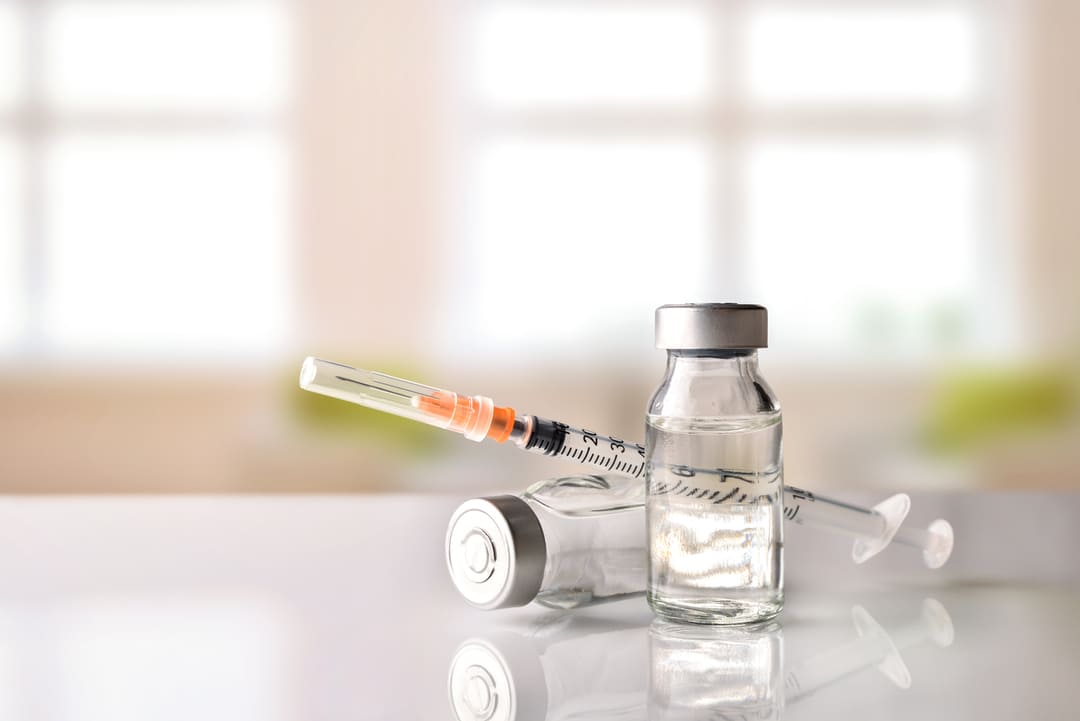
Learn More About
Tirzepatide
.svg)
What is
Tirzepatide
Tirzepatide is a dual GIP (glucose-dependent insulinotropic polypeptide) and GLP-1 receptor agonist, the first medication approved to act simultaneously on both incretin hormone receptors. Mounjaro and Zepbound are the FDA-approved products built on tirzepatide, approved for type 2 diabetes and chronic weight management respectively. Where semaglutide activates only the GLP-1 receptor, tirzepatide adds GIP receptor agonism, which appears to potentiate the GLP-1 effects in ways that produced greater weight loss and metabolic outcomes than GLP-1 agonism alone in head-to-head trials.
GIP is an incretin hormone secreted by K-cells in the proximal small intestine in response to fat and carbohydrate ingestion. Its actions include stimulating insulin secretion (in a glucose-dependent manner, like GLP-1), promoting fat storage in adipose tissue in the fed state, and, in combination with GLP-1, producing synergistic effects on hypothalamic appetite regulation that appear to exceed what either receptor achieves independently. GIP receptor agonism also enhances GLP-1 receptor sensitivity at the hypothalamic level, which is one proposed mechanism for tirzepatide's appetite suppression relative to selective GLP-1 agonists.
The SURMOUNT-1 trial (Jastreboff et al., NEJM 2022) is the landmark efficacy data: tirzepatide at 15mg weekly produced 22.5% average body weight reduction over 72 weeks in adults with obesity without diabetes. Lower doses (5mg, 10mg) produced 15% and 19.5% reductions respectively. The SURMOUNT-2 trial in patients with type 2 diabetes showed 15.7% weight reduction at 15mg. These figures represent a genuine pharmacologic advance that has meaningfully changed the treatment landscape for obesity.
Note on the trial data cited throughout this page: these results come from studies of the FDA-approved branded products. Individual results vary, and trial outcomes should not be read as a promise of any particular result for any individual patient.

Why do We Use
Tirzepatide
The honest clinical answer to "semaglutide or tirzepatide" is that tirzepatide is more effective — the SURMOUNT-5 trial's head-to-head comparison showed statistically significantly greater weight loss with tirzepatide at comparable doses. For patients whose primary goal is maximum weight loss and who don't have reasons to prefer semaglutide specifically, tirzepatide is the stronger pharmacologic choice.
That said, the right medication is the one the patient tolerates, can access, and will take consistently. Tirzepatide and semaglutide have broadly similar GI side effect profiles — nausea, vomiting, and constipation being the primary tolerability concerns — with some patients finding one more tolerable than the other. Medication access and cost also factor in. Dr. Abdullah discusses both options at consultation and recommends based on your clinical picture, prior medication history, and practical considerations rather than defaulting to one protocol for everyone.
The physician oversight rationale is identical to semaglutide: metabolic evaluation before prescribing, structured titration, monitoring of lean mass preservation, and integration with the hormonal and metabolic picture. Patients who've plateaued on semaglutide are excellent tirzepatide candidates, as the added GIP receptor mechanism provides pharmacologic activity the prior medication didn't achieve.

Key Benefits of
Tirzepatide
Large Magnitude Weight Reduction in Randomized Trials: The SURMOUNT-1 trial's 22.5% average weight reduction at the 15mg dose is the highest documented in a randomized controlled weight loss trial to date. For context, 22.5% from 250 lbs is approximately 56 lbs. This magnitude of weight loss produces downstream metabolic effects, including cardiovascular risk reduction, glycemic normalization, and joint load reduction, that lower-efficacy interventions can't replicate. Individual results vary.
Dual Incretin Mechanism: GIP receptor agonism potentiates GLP-1 receptor signaling at the hypothalamic level and produces additive metabolic effects that account for tirzepatide's efficacy advantage over semaglutide in head-to-head comparison data (SURMOUNT-5 trial, 2024). The combination addresses appetite, food reward, gastric emptying, and insulin sensitivity through a broader receptor engagement than GLP-1 agonism alone.
Preferential Visceral Fat Reduction: Tirzepatide produces disproportionate visceral adipose tissue (VAT) reduction relative to total weight loss, a metabolically significant distinction since VAT is the primary driver of insulin resistance, systemic inflammation, and cardiovascular risk in obesity. The visceral fat reduction exceeds what total weight loss data alone would predict, suggesting direct GIP receptor-mediated effects on adipose tissue metabolism.
Glycemic Optimization in Metabolic Syndrome and Prediabetes: Tirzepatide's glucose-dependent insulin secretion stimulation, glucagon suppression, and weight-loss-driven insulin sensitivity improvement produce meaningful glycemic improvement regardless of diabetes status. In the SURPASS trials (type 2 diabetes), tirzepatide produced HbA1c reductions of 2.0 to 2.3%, among the largest reductions documented for any antidiabetic medication. For patients with prediabetes or metabolic syndrome, the glycemic benefit compounds the weight reduction effect.
Once-Weekly Injection, Maintained Convenience: Like semaglutide, tirzepatide's pharmacokinetics support once-weekly subcutaneous injection. The injection pen, dosing schedule, and administration technique are essentially identical to semaglutide, familiar for patients transitioning from semaglutide and straightforward for new patients.
Who Benefits Most From
Tirzepatide
Patients Who've Plateaued or Had Inadequate Response on Semaglutide: This is the most clinically straightforward tirzepatide indication. Patients who completed adequate semaglutide titration, achieved partial but insufficient weight loss, and are looking for the next pharmacologic step benefit directly from tirzepatide's added GIP receptor mechanism. The dual receptor engagement provides activity that GLP-1 agonism alone doesn't produce — and clinical experience consistently shows meaningful additional weight loss when transitioning from semaglutide to tirzepatide in partial responders.
Patients with Significant Metabolic Syndrome or Type 2 Diabetes: Tirzepatide's glycemic outcomes in diabetic patients — HbA1c reductions of 2.0–2.3% — are among the largest documented for any antidiabetic medication. For patients where glycemic control and weight reduction are both clinical priorities, tirzepatide addresses both with exceptional efficacy. The visceral fat reduction disproportionate to total weight loss is particularly relevant for patients with metabolic syndrome, where VAT is the primary driver of their cardiometabolic risk.
Patients Seeking Maximum Efficacy Weight Loss Without Surgery: The SURMOUNT-1 trial's 22.5% average weight reduction overlaps with historical outcomes from Roux-en-Y gastric bypass in some studies — a comparison that was unthinkable with prior anti-obesity medications. For patients who are appropriate surgical candidates but want to exhaust pharmacologic options first, or who are not surgical candidates due to comorbidities, tirzepatide represents the closest approximation of surgical efficacy in a pharmacologic option currently available.
Patients with Significant Visceral Adiposity and Cardiovascular Risk: Tirzepatide's disproportionate VAT reduction is specifically relevant for patients whose primary cardiometabolic risk driver is visceral fat — patients with central obesity, elevated triglycerides, low HDL, elevated fasting glucose, and hypertension meeting metabolic syndrome criteria. The GIP receptor-mediated effects on adipose tissue metabolism appear to target visceral fat preferentially, making tirzepatide particularly effective for this metabolically high-risk phenotype.
Men on TRT with Obesity-Related Hypogonadism: The same TRT and GLP-1 synergy described for semaglutide applies to tirzepatide — with the added benefit of tirzepatide's superior visceral fat reduction reducing aromatase activity more aggressively. Men with significant abdominal obesity and secondary hypogonadism who are starting TRT alongside pharmacologic weight management benefit from tirzepatide's greater visceral fat targeting.
What To Expect From
Tirzepatide
Step 1 — Comprehensive Metabolic Evaluation: Identical to semaglutide — thyroid, testosterone (men), fasting insulin, HbA1c, lipids, metabolic panel. For patients transitioning from semaglutide, recent labs are reviewed and updated as needed. The metabolic picture at transition informs dose selection and protocol design.
Step 2 — Starting Dose and Titration: Tirzepatide starts at 2.5mg weekly for 4 weeks, then increases by 2.5mg every 4 weeks through 5mg, 7.5mg, 10mg, 12.5mg to the maximum 15mg dose. The titration is longer than semaglutide's — 20 weeks to full dose — because the incremental increases need to be gradual to manage GI tolerability. Most patients find their optimal maintenance dose somewhere between 5mg and 15mg, as the efficacy-tolerability balance varies individually.
Step 3 — Injection Training and Self-Administration: Once-weekly subcutaneous injection using a pre-filled pen device, rotating injection sites between abdomen, thigh, and upper arm. Technique is essentially identical to semaglutide pens. Our clinical team provides injection training at the first visit.
Step 4 — Monitoring and Dose Optimization: Follow-up at 4–8 week intervals with weight tracking, metabolic marker monitoring, and dose adjustment based on response and tolerability. Patients who don't reach their goal weight at 10mg and are tolerating well continue titration to 12.5mg and 15mg. Patients who achieve target weight at lower doses maintain rather than escalating further.
Step 5 — Lean Mass Preservation Protocol: GLP-1 class medications reduce appetite broadly — ensuring adequate protein intake requires active attention to prevent lean mass loss alongside fat loss. Our team provides specific guidance on protein targets (typically 1.2–1.6g per kg body weight) and encourages resistance training to maximize lean mass preservation, which is both metabolically important and aesthetically relevant to the end result.

Is
Tirzepatide
right for me?
Tirzepatide shares semaglutide's primary contraindication, personal or family history of medullary thyroid carcinoma or MEN2. The same GI tolerability concerns apply, with broadly similar side effect incidence. The longer titration schedule compared to semaglutide is a consideration for patients who want faster dose escalation, though the gradual approach is specifically designed to optimize tolerability.
For patients deciding between semaglutide and tirzepatide, tirzepatide produced greater weight reduction in the available head-to-head trial data. Practical considerations, including insurance coverage, cost, current availability, and prior tolerability with either agent, factor into the decision. Dr. Abdullah discusses both clearly and prescribes based on the clinical picture and your preferences.
🏆 Voted "Best in Tarrant County" by Society Life Magazine (2023-2025)
Tirzepatide Weight Loss Program, Southlake, TX
The SURMOUNT-1 trial's 22.5% average weight reduction at 15mg weekly is the largest result documented in a randomized pharmaceutical weight loss trial, and it falls in the same range as historical outcomes from Roux-en-Y gastric bypass. That comparison was unthinkable with any prior anti-obesity medication. Tirzepatide changed what the ceiling looks like. For a 250-pound patient, 22.5% is 56 pounds, the kind of reduction that moves blood pressure, HbA1c, lipids, joint load, and sleep apnea, not just the number on the scale.
At Magnolia Functional Wellness, Dr. Farhan Abdullah manages tirzepatide within the same physician-directed framework that governs every weight management program here: comprehensive metabolic evaluation before the first dose, structured titration, and ongoing monitoring that tracks the full clinical picture.
Why Tirzepatide Outperformed Semaglutide in Head-to-Head Data
The mechanism explains the outcomes. Semaglutide activates the GLP-1 receptor, which is powerful, validated, and genuinely effective. Tirzepatide adds GIP receptor agonism, which potentiates GLP-1 hypothalamic activity and produces preferential visceral adipose tissue reduction beyond what total weight loss data alone would predict. The SURMOUNT-5 head-to-head trial showed statistically significantly greater weight reduction with tirzepatide at comparable doses.
The visceral fat reduction specifically matters. VAT is the primary driver of insulin resistance, cardiometabolic risk, and the systemic inflammation that metabolic syndrome produces. Tirzepatide reduces it disproportionately, which is part of why the metabolic improvements seen in the SURPASS diabetes trials, including HbA1c reductions of 2.0 to 2.3%, were among the largest documented for any antidiabetic medication.
The Magnolia Approach: Not an Automatic Upgrade
For patients transitioning from semaglutide after a plateau, the first question Dr. Abdullah asks is whether the plateau reflects a pharmacologic ceiling or something addressable. Low testosterone, undertreated hypothyroidism, inadequate protein intake driving lean mass loss, or metabolic adaptation are all correctable contributors that can produce a plateau that looks like medication failure but isn't. The transition to tirzepatide is a clinical decision based on an honest evaluation of what's actually happening, not an automatic next step.
The 20-Week Titration and Why It Matters
Tirzepatide's titration from 2.5mg to 15mg takes approximately 20 weeks, longer than semaglutide's. Every 2.5mg increment is held for 4 weeks before advancing, giving the GI system time to adapt and minimizing the nausea, vomiting, and constipation that rushing produces. Most patients find their optimal maintenance dose between 5mg and 15mg. Not everyone needs the full 15mg to achieve their goal, and the dose is calibrated to your response rather than pushed to maximum. Lean mass preservation guidance, meaning protein targets and resistance training, is provided at initiation because what you lose matters as much as how much you lose.
Serving Southlake and the DFW Metroplex
We serve patients from Southlake, Westlake, Colleyville, Grapevine, Keller, Trophy Club, Flower Mound, and across the Dallas-Fort Worth area. Treatment options appropriate to your clinical situation are discussed at consultation, along with current availability and coverage.
The trial results described on this page come from studies of FDA-approved branded products. Nothing on this page should be read as a claim about any other product, and individual results vary.
How Process Works at
Magnolia Functional Wellness
Assess
We begin with a comprehensive evaluation of your health, goals, and medical background to understand the root causes, not just the symptoms.
Personalize
Based on your results, we create a tailored functional wellness plan using evidence-based therapies designed specifically for your body and needs.
Optimize
Through ongoing care, monitoring, and adjustments, we help you achieve sustainable improvements in performance, vitality, and long-term health.
Dual-Agonist Appetite and Glucose Control
Tirzepatide activates both the GIP and GLP-1 receptors, which is why it acts on appetite signaling and glucose handling at the same time. At Magnolia, that comes with comprehensive baseline labs, a structured titration schedule, body composition tracking rather than scale weight alone, and follow-up with the physician who wrote the prescription.
The Largest Weight Reductions Recorded in a Randomized Trial
In SURMOUNT-1, participants taking Zepbound (tirzepatide) at 15mg averaged a 22.5% reduction in body weight over 72 weeks — the largest average reduction reported in a randomized weight loss trial to date. Individual results vary. Dr. Abdullah, a board-certified internal medicine physician, will show you that data and tell you plainly what it does and does not predict for your metabolic picture before you inject anything.
Disproportionate Visceral Fat Reduction
Trial imaging substudies of tirzepatide show visceral adipose tissue falling out of proportion to total weight lost — metabolically significant, because VAT is the primary driver of insulin resistance, cardiometabolic risk, and the inflammatory burden of obesity. Individual results vary. For patients with central obesity and metabolic syndrome, that is the outcome worth measuring, which is why we track body composition here instead of a single number on a scale.
Clear Upgrade Path for Semaglutide Partial Responders
Patients who've achieved partial weight loss on semaglutide and plateaued have a defined next step — tirzepatide's GIP receptor mechanism provides what GLP-1 agonism alone doesn't. Dr. Abdullah manages the transition, adjusting timing and protocol based on your response history and current metabolic picture.
Lean Mass Preservation Guidance Built In
GLP-1 class medications reduce appetite broadly — without adequate protein intake and resistance training, lean mass loss accompanies fat loss. Dr. Abdullah provides specific protein targets and exercise guidance as part of every tirzepatide program, because the composition of the weight you lose matters as much as the total.
Your Questions Answered
Led by trained medical professionals delivering safe, effective, and scientifically backed aesthetic and wellness treatments.
How long does it take to see results from Tirzepatide?
Most patients notice appetite changes — less food noise, smaller portions feeling like enough — within the first one to two weeks, often while still at the 2.5mg starting dose. Meaningful weight change usually shows up over 8 to 12 weeks as the dose is titrated upward on a structured schedule. Individual results vary based on starting metabolic status, dose tolerance, protein intake, and activity level. At Magnolia Functional Wellness we run comprehensive labs at baseline, track body composition rather than scale weight alone, and see you on a real follow-up schedule, so your timeline is measured rather than guessed.
Are there any side effects or risks with Tirzepatide?
The most common side effects are gastrointestinal — nausea, constipation, diarrhea, reflux, and reduced appetite — and they are usually most noticeable in the days following a dose increase. Most ease as your body adapts. Less common but more serious risks include pancreatitis, gallbladder disease, and kidney injury from dehydration. Tirzepatide carries a boxed warning regarding thyroid C-cell tumors and is not appropriate for patients with a personal or family history of medullary thyroid carcinoma or MEN2. Dr. Abdullah reviews your full history and comprehensive labs before prescribing, titrates on a structured schedule specifically to limit GI side effects, and is reachable between visits when something does not feel right.
Why are your GLP-1 prices lower than other Southlake clinics?
We are a physician-owned medical clinic, not a corporate medspa franchise. We don't have "middlemen" or franchise fees to pay, so we don't pass those costs on to you. You are paying for the medication and Dr. Abdullah's medical expertise—nothing else.
How is tirzepatide different from semaglutide?
Both are GLP-1 receptor agonists. Tirzepatide additionally activates the GIP receptor — a dual mechanism that produces superior weight loss outcomes in head-to-head trials. The SURMOUNT-5 trial demonstrated statistically significant greater weight reduction with tirzepatide compared to semaglutide at comparable doses. The side effect profiles are broadly similar. For most patients whose primary goal is maximum weight loss, tirzepatide is the stronger pharmacologic choice.
What makes the 22.5% weight reduction significant?
For a 250 lb patient, 22.5% is approximately 56 lbs. That magnitude of weight reduction produces measurable improvements in blood pressure, lipids, HbA1c, sleep apnea, joint pain, and cardiovascular risk that 5–10% loss doesn't reliably achieve. The SURMOUNT data also showed that many patients had not yet plateaued at 72 weeks — suggesting continued loss was likely with extended treatment. No prior anti-obesity medication had approached these outcomes in controlled trials.
I've been on semaglutide and plateaued — will tirzepatide help?
Often yes. Patients who achieved partial weight loss on semaglutide and stalled frequently respond to tirzepatide with additional meaningful weight reduction, because the GIP receptor mechanism provides pharmacologic activity the prior GLP-1 agonism alone didn't cover. Dr. Abdullah evaluates the clinical picture at transition — ensuring the plateau isn't due to addressable hormonal or metabolic factors before attributing it solely to pharmacologic ceiling.
Need More Information?
Our team is ready to answer your specific questions and concerns.
Redefine Your Glow. Reimagine Your Life.
Led by trained medical professionals delivering safe, effective, and scientifically backed aesthetic and wellness treatments.
Not what you were looking
for? Explore More.
At Magnolia Functional Wellness, every treatment is guided by medical science, regenerative principles, and individualized care. We focus on restoring physiology at its source, enhancing vitality, and supporting long term health with evidence based interventions that go beyond traditional aesthetics.