



PRP Injections in Southlake, TX
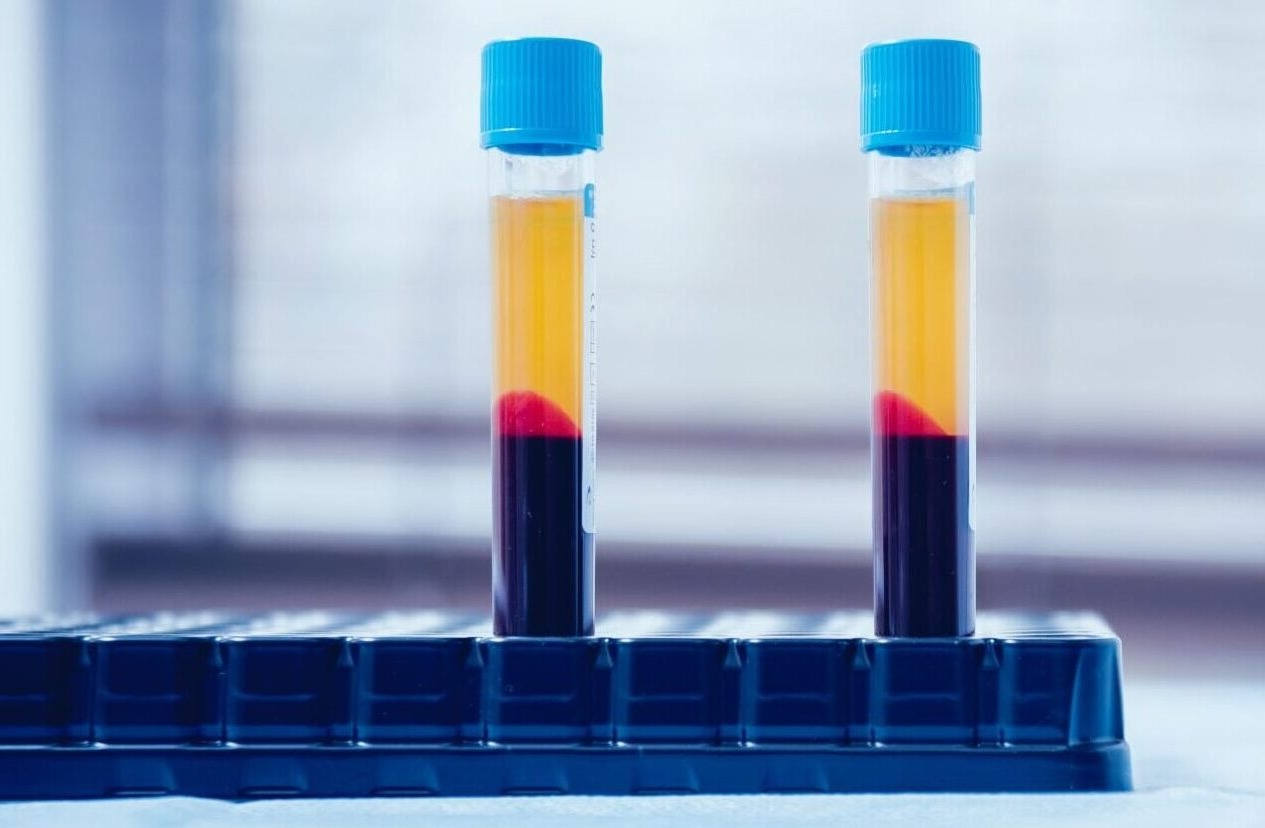
Platelet-rich plasma therapy is only as good as what you actually inject — and most medspas offering "PRP" are using single-spin centrifuge kits that produce platelet concentrations barely above baseline blood. At Magnolia Functional Wellness, Dr. Farhan Abdullah uses the EmCyte Genesis Sapphire centrifuge with Pure PRP SP kits — a system validated to produce highly concentrated, leukocyte-poor platelet preparations with minimal red blood cell contamination. Your own biology, processed properly.
Learn More About
PRP Injections
.svg)
What is
PRP Injections
Platelet-rich plasma (PRP) is a concentration of platelets derived from your own blood. Platelets contain growth factors — proteins like PDGF, TGF-β, VEGF, and IGF-1 — that signal tissue repair, stimulate collagen production, and recruit stem cells to the treatment area. By concentrating these growth factors and injecting them precisely where healing is needed, PRP amplifies your body's own regenerative capacity.
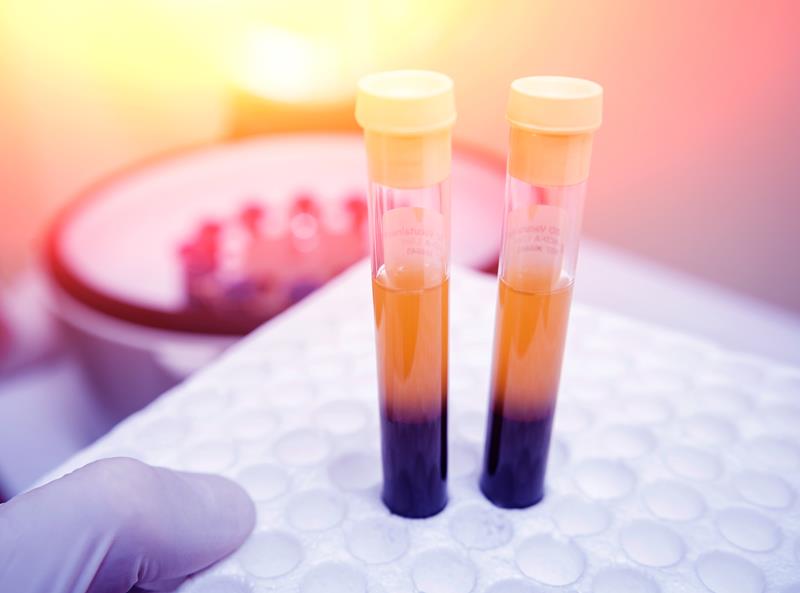
The process starts with a blood draw. Your blood is then processed in a centrifuge to separate and concentrate the platelet layer, which is then activated and prepared for injection. The quality of the final product depends heavily on the processing system used — platelet concentration, activation method, and final volume all affect clinical outcomes.
Not all PRP is equivalent — and this is where the medspa industry has done patients a real disservice. The most common PRP kits used in wellness clinics are single-spin systems producing platelet concentrations of roughly 2–3x baseline blood. At Magnolia Functional Wellness, we use the EmCyte Genesis Sapphire centrifuge with Pure PRP SP kits — a double-spin system validated to produce highly concentrated, leukocyte-poor platelet-rich plasma with minimal red blood cell contamination. The Pure PRP SP protocol specifically removes leukocytes (white blood cells) from the final preparation, which matters clinically — leukocyte-rich PRP introduces pro-inflammatory cytokines that can work against the regenerative signaling you're trying to deliver, particularly in joint applications where inflammation is already part of the problem. The difference in growth factor payload and preparation purity between an EmCyte Pure PRP SP preparation and a generic medspa kit isn't marginal. Patients who've had cheap PRP done elsewhere frequently don't recognize it as the same treatment.
At Magnolia Functional Wellness, we use advanced centrifugation protocols to maximize platelet yield and growth factor concentration. PRP has legitimate clinical applications across multiple areas: musculoskeletal injuries and joint pain, hair restoration (injected into the scalp to stimulate follicle activity), sexual health (the P-Shot for men, the O-Shot for women), facial rejuvenation, and wound healing. Each application uses the same biological mechanism — just delivered to a different target tissue.

Why do We Use
PRP Injections
PRP sits at the intersection of what regenerative medicine actually means: using the body's own biology rather than foreign substances to drive healing. For musculoskeletal applications, the research supports PRP for knee osteoarthritis, lateral epicondylitis (tennis elbow), rotator cuff tendinopathy, plantar fasciitis, and other chronic tendon and joint conditions — particularly when conservative treatment has plateaued and surgery isn't yet warranted or wanted. For hair restoration, scalp PRP stimulates follicle activity and extends the anagen (growth) phase. For sexual health applications, PRP delivered to the appropriate anatomical structures promotes vascular and nerve regeneration that affects sensitivity and function.
The honest caveat: PRP outcomes vary based on processing quality, injection technique, patient biology, and the specific condition being treated. This is why physician oversight matters — not just for the injection itself, but for the clinical judgment about whether PRP is appropriate for your situation, what concentration to use, and whether it should be combined with other treatments.

Key Benefits of
PRP Injections
Joint & Tendon Healing: PRP delivers concentrated growth factors directly to damaged tissue, accelerating repair in cartilage, tendons, and ligaments that have notoriously poor blood supply and slow natural healing.
Hair Restoration: Scalp PRP stimulates dormant follicles, increases follicle size, and extends the growth cycle — with research supporting its use as both standalone therapy and in combination with minoxidil or finasteride.
Sexual Health Enhancement: PRP delivered via the P-Shot or O-Shot promotes vascular and nerve tissue regeneration, improving sensitivity, function, and overall sexual health in both men and women.
Skin Rejuvenation: When combined with microneedling or delivered via facial injection, PRP stimulates collagen production and accelerates skin renewal for improved texture, tone, and elasticity.
Autologous Safety Profile: Because PRP is derived from your own blood, the risk of allergic reaction or rejection is negligible. It's one of the safest biologic treatments available.
Minimal Downtime: Most PRP applications require little to no recovery time, making it practical for patients who can't afford significant interruption to their daily routines.
Who Benefits Most From
PRP Injections
Patients with Volume Loss and Skin Laxity in the Mid-Face: The aging face loses volume predictably — fat compartments in the cheek, temple, and periorbital areas deflate, the skin loses collagen support from below, and the overall architecture of the face changes from convex and full to flat and gaunt. Dermal fillers address this by restoring volume mechanically; PRP addresses it by stimulating the patient's own collagen and fibroblast activity to rebuild the dermal matrix from within. For patients in their 40s and 50s with moderate volume loss and skin quality changes who want improvement that doesn't look filled — natural restoration rather than addition of foreign material — PRP delivers the most biologically authentic outcome available.
Patients with Fine Lines, Crepey Texture, and Superficial Skin Quality Degradation: Dermal PRP's growth factors — particularly TGF-β and PDGF — stimulate fibroblast proliferation and organized collagen synthesis throughout the treated zone. For patients whose primary concern is textural — crepey skin under the eyes, fine lines around the mouth, surface roughness from photoaging — injected PRP addresses the dermal substrate driving these changes rather than filling over them. The improvement is cumulative and progressive, becoming most apparent at 3–6 months as the collagen remodeling process matures. Patients who want gradual, natural improvement rather than immediate correction are well-suited to PRP's timeline.
Patients Who've Had Filler and Want to Reduce Dependency on It: A significant subset of patients who've used hyaluronic acid fillers for years are interested in transitioning toward treatments that stimulate their own tissue rather than requiring ongoing foreign material maintenance. PRP used consistently over time builds genuine dermal collagen — which doesn't dissolve at 9–18 months the way HA filler does. For patients who want to reduce how much filler they need rather than continuously adding to it, a series of PRP treatments builds a foundation of autologous collagen that supports natural structure and reduces the volume deficit that filler is compensating for.
Patients Seeking Under-Eye Rejuvenation: The periorbital area — dark circles, hollowing, fine crepey skin, and the general tired appearance that comes from under-eye volume loss and thin skin — is one of the most requested areas for facial rejuvenation and one of the most challenging to treat. Hyaluronic acid filler in this area requires extreme precision and carries risks of vascular occlusion and Tyndall effect (bluish discoloration) that make it one of the highest-stakes facial injection sites. PRP in the periorbital area — delivering growth factors to the thin, depleted skin and subcutaneous tissue — stimulates collagen and improves skin quality without introducing foreign material in a high-risk anatomical zone. It's a safer approach for an area where safety matters significantly.
Patients Using PRP as Part of a Combination Aesthetic Protocol: PRP produces its most dramatic results when used in combination with other treatments — not because it's insufficient alone, but because it addresses a different dimension of aging than mechanical interventions do. Combined with microneedling, the channels created by the needles allow deeper PRP penetration while the microneedling's controlled injury amplifies the healing response that PRP growth factors then direct. Combined with the Glo2Facial, PRP follows a treatment that's already optimized skin health and surface quality. Combined with dermal fillers, PRP addresses the dermal substrate while filler restores structural volume — the combination produces results that neither achieves independently. Dr. Abdullah designs combination protocols based on your specific presentation rather than recommending a single modality for every patient.
What To Expect From
PRP Injections
Step 1 — Consultation & Assessment: Dr. Abdullah evaluates your condition, reviews any relevant imaging or prior treatment history, and determines whether PRP is appropriate and likely to be effective for your specific situation.
Step 2 — Blood Draw: A small amount of blood is drawn — typically 30–60 mL depending on the application — and processed in our centrifuge to concentrate the platelet layer.
Step 3 — PRP Processing: The platelet-rich layer is separated, concentrated, and prepared for injection. Processing takes approximately 15–20 minutes.
Step 4 — Injection: PRP is injected into the target tissue. For joint and musculoskeletal applications, ultrasound guidance ensures precise placement. For scalp and aesthetic applications, a fine needle or microneedling device is used.
Step 5 — Recovery: Most patients return to normal activity the same day or within 24–48 hours. Some soreness or swelling at the injection site is normal and typically resolves within a few days.
Step 6 — Follow-Up & Repeat Dosing: Many conditions benefit from a series of 2–3 PRP treatments spaced 4–6 weeks apart, followed by maintenance injections as needed. Dr. Abdullah assesses your response and recommends the appropriate protocol.

Is
PRP Injections
right for me?
PRP is worth considering if you're dealing with a chronic musculoskeletal injury that hasn't responded adequately to physical therapy or anti-inflammatory treatment, hair thinning that's progressing despite topical treatments, or sexual health concerns that have a vascular or tissue-quality component. It's not appropriate as a standalone treatment for severe structural damage (advanced joint degeneration, complete tendon rupture), and it works best when combined with an overall treatment strategy rather than used in isolation.
Dr. Abdullah will give you an honest assessment of what PRP can realistically accomplish for your specific situation — including when it's not the right tool.
Physician-Administered PRP in Southlake, TX
The difference between PRP done well and PRP done poorly comes down to three things: processing quality, injection precision, and clinical judgment about patient selection. At Magnolia Functional Wellness, Dr. Farhan Abdullah controls all three.
We use advanced centrifugation protocols combined with best-in-class centrifuge and kits to maximize platelet concentration and growth factor yield. For joint and musculoskeletal applications, injections are performed with ultrasound guidance to ensure the PRP is delivered exactly where it needs to go — not approximately. And we're honest about what PRP can and can't accomplish for a given condition, which is something not every regenerative clinic will tell you.
The Magnolia Difference: Processing Matters
Not all PRP is created equal. The platelet concentration in the final product, the activation method used, and the presence or absence of leukocytes (white blood cells) all affect clinical outcomes — and these variables differ significantly between systems. We've invested in processing equipment that consistently produces high-quality PRP because the therapy is only as good as what you actually inject.
Why You Shouldn't Just Call Around for the Cheapest PRP
We understand the instinct. PRP sounds like a standardized procedure — blood draw, centrifuge, inject — and if five clinics offer it, why not go with the most affordable option?
Because what's in the syringe at the end of that process varies enormously, and nobody advertising cheap PRP is going to tell you that.
Here's what actually determines PRP quality: centrifuge protocol, processing system, final platelet concentration, leukocyte content, red blood cell contamination, and how quickly the preparation is activated and delivered. A single-spin kit from a budget supplier and an EmCyte Genesis Sapphire running a Pure PRP SP double-spin protocol both produce something technically called "PRP." They are not remotely the same product.
The single-spin preparation sitting in that $199 PRP syringe likely contains 2–3x platelet concentration — barely above what's already in your blood — with significant leukocyte and red blood cell contamination. The leukocyte contamination introduces pro-inflammatory cytokines that actively counteract the regenerative signaling you came in for. For joint applications especially, research consistently shows that leukocyte-poor PRP outperforms leukocyte-rich preparations — meaning the cheap version isn't just less effective, it may be working against you.
The EmCyte Pure PRP SP protocol we use produces highly concentrated, leukocyte-poor platelet-rich plasma with documented growth factor payload and minimal contamination. This is what the published clinical research on PRP efficacy is actually based on — not the kit your medspa bought because it was affordable.
Calling around and choosing the cheapest PRP option isn't comparison shopping for the same service at different prices. It's comparison shopping for completely different products that happen to share a name. A $199 PRP treatment and a properly processed EmCyte preparation are not the same thing any more than a $12 bottle of wine and a $120 bottle are the same thing because both contain alcohol.
We're transparent about this not to disparage competitors but because patients who've had cheap PRP done elsewhere and didn't get results sometimes conclude that PRP doesn't work — when the actual conclusion is that inadequately processed PRP doesn't work. That's a meaningful distinction, and you deserve to know it before you make a decision.
Who We Serve
We treat patients from throughout Southlake, Westlake, Keller, Colleyville, Grapevine, and the greater DFW area who are dealing with chronic joint pain, hair loss, sexual health concerns, or aesthetic goals that respond to regenerative approaches. PRP is often combined with other treatments — stem cells, exosomes, hormone optimization — for patients who want a comprehensive regenerative protocol.
How Process Works at
Magnolia Functional Wellness
Assess
We begin with a comprehensive evaluation of your health, goals, and medical background to understand the root causes, not just the symptoms.
Personalize
Based on your results, we create a tailored functional wellness plan using evidence-based therapies designed specifically for your body and needs.
Optimize
Through ongoing care, monitoring, and adjustments, we help you achieve sustainable improvements in performance, vitality, and long-term health.
Advanced Platelet Processing
The quality of PRP depends entirely on processing technique. We use advanced centrifugation protocols to maximize platelet concentration and growth factor yield — because the therapy is only as good as what you actually inject.
Ultrasound-Guided Joint Injections
For musculoskeletal applications, Dr. Abdullah uses ultrasound guidance to confirm precise placement of PRP directly into the target tissue. Precision placement is the difference between a good outcome and a missed one.
Your Own Biology, Amplified
PRP is derived from your own blood, which means essentially zero risk of allergic reaction, rejection, or foreign body response. It's one of the safest biologic treatments available — and it works with your body's own repair mechanisms.
Minimal Downtime
Most PRP applications require little to no recovery time. Joint injection patients typically return to normal activity within 24–48 hours. Aesthetic PRP patients often return to work the same day. This is regenerative medicine that fits into your life.
Physician-Supervised, Clinically Appropriate
Dr. Abdullah evaluates whether PRP is genuinely appropriate for your condition before recommending it — and is honest when a different approach would serve you better. Treatment decisions are based on clinical judgment, not a menu.
EmCyte Genesis Sapphire — Pure PRP SP Protocol
Most medspas use single-spin kits producing 2–3x platelet concentration with significant red blood cell and leukocyte contamination. We use the EmCyte Genesis Sapphire with Pure PRP SP kits — producing highly concentrated, leukocyte-poor PRP validated for superior growth factor delivery. In joint applications especially, leukocyte-poor preparations outperform leukocyte-rich ones because they deliver regenerative signals without the pro-inflammatory contamination that undermines them.
Your Questions Answered
Led by trained medical professionals delivering safe, effective, and scientifically backed aesthetic and wellness treatments.
How many PRP treatments will I need?
It depends significantly on what you're treating. For musculoskeletal applications — joint pain, tendon injuries — most patients see meaningful improvement from a series of 2–3 injections spaced 4–6 weeks apart, followed by reassessment. Some conditions respond well to a single treatment; others, particularly moderate to advanced osteoarthritis, benefit from an annual maintenance injection after the initial series. For scalp hair restoration, the standard protocol is 3–4 treatments spaced 4–6 weeks apart for the initial phase, followed by maintenance injections every 4–6 months to sustain follicle stimulation. Hair restoration with PRP is a long-term commitment — the follicles need ongoing support. For aesthetic applications combined with microneedling, a series of 3 treatments spaced 4–6 weeks apart is typical, with maintenance every 6–12 months. Dr. Abdullah assesses your response after each treatment and adjusts the protocol accordingly. We don't lock you into a predetermined package — we treat based on how you're actually responding.
How long does PRP last?
For joint applications, clinical studies show pain relief and functional improvement lasting 6–12 months for most patients, with some reporting sustained benefit beyond a year. This is meaningfully longer than cortisone injections, which typically provide 6–8 weeks of relief without addressing underlying tissue quality. For hair restoration, the stimulatory effects on follicle activity tend to peak around 3–6 months after a treatment series and gradually diminish over time, which is why maintenance injections are built into the protocol. For aesthetic skin applications, collagen remodeling continues for 3–6 months after treatment, and results typically last 12–18 months depending on skin quality, lifestyle factors, and sun exposure. The important distinction with PRP is that it doesn't just mask symptoms — it promotes actual tissue changes. Those changes take time to fully develop but also tend to be more durable than symptomatic treatments.
Does PRP hurt?
The blood draw is identical to a standard lab draw — minimal discomfort. The injection itself varies by site. Joint injections are performed with topical or local anesthetic to minimize discomfort during the procedure. Scalp injections involve some stinging during administration that most patients find very tolerable. Sexual health applications (P-Shot, O-Shot) use topical numbing cream applied well in advance. After the procedure, some soreness, swelling, or bruising at the injection site is normal and typically resolves within 2–5 days. For joint injections, you may notice a temporary increase in soreness for a few days before improvement begins — this is a normal inflammatory response to the PRP activation. Overall, PRP is well-tolerated. The majority of patients describe it as comparable to a standard injection at the doctor's office — not comfortable, but entirely manageable.
Can PRP be combined with other treatments?
Yes — and in many cases, combining PRP with complementary treatments produces significantly better results than PRP alone. For joint and musculoskeletal applications, PRP pairs well with stem cell therapy and exosome therapy along with shockwave therapy. PRP provides the initial inflammatory environment that recruits stem cells to the area; MSCs and exosomes provide the deeper regenerative signals. The combination addresses tissue repair through multiple mechanisms simultaneously. For hair restoration, PRP is commonly combined with minoxidil and/or finasteride for a more comprehensive approach — medications that reduce DHT-driven follicle miniaturization while PRP stimulates follicle activity directly. For aesthetic applications, PRP combined with microneedling consistently outperforms either treatment alone. The microchannels created by needling allow deeper PRP penetration while the PRP amplifies the collagen remodeling response. Dr. Abdullah designs combination protocols based on your specific goals and budget — always with the goal of maximizing clinical outcome rather than maximizing the number of treatments.
Why does PRP quality vary so much between providers?
Most medspas and high-volume clinics use single-spin kits producing 2–3x platelet concentration — barely above baseline blood — with significant leukocyte and red blood cell contamination. We use the EmCyte Genesis Sapphire centrifuge with Pure PRP SP kits, a double-spin validated system producing highly concentrated, leukocyte-poor platelet preparations. The leukocyte-poor distinction matters specifically for joint and musculoskeletal applications — research consistently shows leukocyte-poor PRP outperforms leukocyte-rich preparations for osteoarthritis and tendinopathy because you're delivering growth factors without the pro-inflammatory cytokines that counteract them. When a clinic advertises PRP at $200–$300 per session, the processing system almost certainly isn't producing a preparation with meaningful therapeutic concentration or purity. Cheap PRP is cheap for a reason.
Need More Information?
Our team is ready to answer your specific questions and concerns.
Redefine Your Glow. Reimagine Your Life.
Led by trained medical professionals delivering safe, effective, and scientifically backed aesthetic and wellness treatments.
Not what you were looking
for? Explore More.
At Magnolia Functional Wellness, every treatment is guided by medical science, regenerative principles, and individualized care. We focus on restoring physiology at its source, enhancing vitality, and supporting long term health with evidence based interventions that go beyond traditional aesthetics.