




PRP Hair Restoration in Southlake, TX
PRP hair restoration uses your own platelet-rich plasma to stimulate dormant and miniaturizing hair follicles — delivering concentrated growth factors directly to the scalp to extend the active hair growth phase, improve follicle health, and slow or reverse the miniaturization that drives androgenetic alopecia. At Magnolia Functional Wellness, Dr. Farhan Abdullah performs PRP hair restoration using the EmCyte PurePRP system, producing platelet concentrations 15–20x above baseline for clinically meaningful growth factor delivery. It's a procedure that works best when used alongside medical therapy — and one where the quality of the PRP preparation determines a significant part of the clinical outcome.
Learn More About
PRP Hair Restoration
.svg)
What is
PRP Hair Restoration
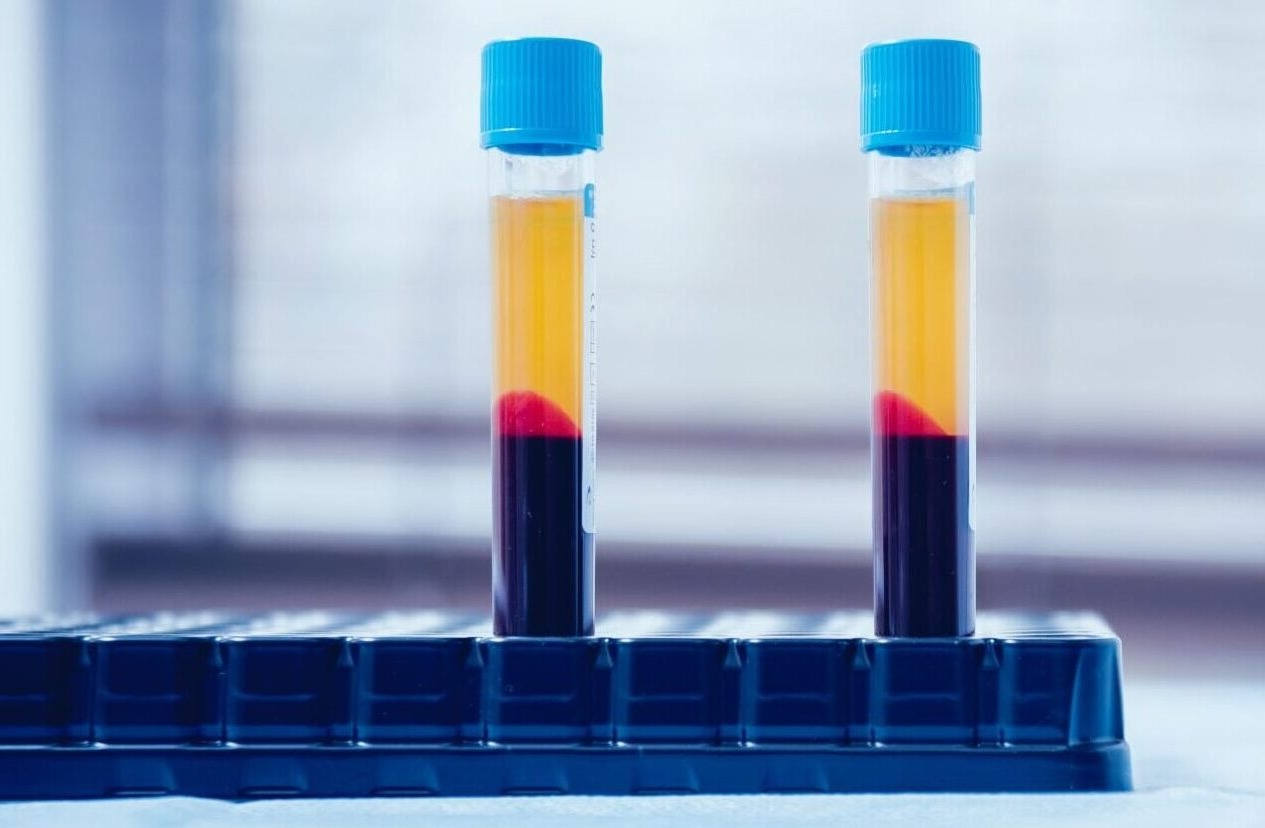
Platelet-rich plasma (PRP) hair restoration is an in-office procedure that uses a concentrated preparation of your own platelets — drawn from a small blood sample, centrifuged to isolate the platelet layer, and injected into the scalp — to deliver a dense bolus of growth factors directly to hair follicles.
Platelets are the cells your body deploys first in response to tissue injury. They carry an array of growth factors — platelet-derived growth factor (PDGF), vascular endothelial growth factor (VEGF), transforming growth factor-beta (TGF-β), insulin-like growth factor-1 (IGF-1), epidermal growth factor (EGF), and fibroblast growth factor (FGF) — that collectively signal tissue repair, stimulate cellular proliferation, and promote angiogenesis. In the context of hair restoration, these growth factors act on follicle stem cells in the bulge region, extend the anagen (active growth) phase of the hair cycle, increase follicle size and dermal papilla cell activity, and improve the vascular supply to follicles under DHT-driven stress.
The mechanism is biologically rational and supported by a growing body of clinical research. A 2019 meta-analysis in Aesthetic Plastic Surgery pooling data from multiple randomized controlled trials found statistically significant improvements in hair density and diameter following PRP treatment compared to controls. A 2022 systematic review in the Journal of Cosmetic Dermatology similarly concluded that PRP produced meaningful improvements in hair count and thickness across androgenetic alopecia studies, with leukocyte-poor preparations performing favorably for scalp applications specifically.
At Magnolia Functional Wellness, PRP is processed using the EmCyte PurePRP SP system — a double-spin centrifugation protocol that achieves approximately 90% platelet recovery from the blood draw and produces concentrations 15–20x above baseline. This isn't a trivial distinction. Single-spin tabletop centrifuges commonly used in medspas produce platelet concentrations in the 3–5x range. The difference in growth factor delivery between a 4x and a 16x preparation is not cosmetic — it's the difference between a biologically active dose and a subtherapeutic one.

Why do We Use
PRP Hair Restoration
PRP hair restoration addresses a different dimension of hair loss than medications do — and the two approaches are genuinely synergistic rather than competing alternatives.
Finasteride and dutasteride work by eliminating DHT, the hormonal driver of follicle miniaturization. They stop the damage. PRP works by delivering growth factors that directly stimulate follicle activity, extend the growth phase, and improve the biological environment around compromised follicles. Where DHT blockers are preventive, PRP is regenerative — addressing follicles that are miniaturizing or dormant rather than just protecting follicles that haven't been affected yet.
The clinical evidence most consistently supports PRP in patients who are already managing the hormonal component with medication. PRP on a follicle that's hormonally stabilized through finasteride or dutasteride produces more durable results than PRP on a follicle still under active DHT assault — because the growth factors drive activity that's subsequently maintained by the medication rather than working against an ongoing destructive process.
The EmCyte preparation matters here specifically. Growth factors don't work like antibiotics — there's no fixed minimum therapeutic threshold in the way there is for a drug concentration. More platelets at the injection site means more growth factor signaling to follicle stem cells. The clinical literature comparing preparation quality suggests that higher concentration preparations produce better and more consistent outcomes. Processing PRP on equipment that's actually designed for clinical precision rather than speed and convenience is a meaningful clinical decision.

Key Benefits of
PRP Hair Restoration
Your Own Biology — No Foreign Substances: PRP is prepared from your own blood. There's no introduced foreign protein, no synthetic substance, and no meaningful allergy or rejection risk. The growth factors delivered are identical to what your own platelets would naturally release in a tissue repair response — they're just concentrated and delivered precisely where they're needed rather than distributed systemically.
EmCyte PurePRP — Clinically Meaningful Concentration: The 15–20x platelet concentration achieved by the EmCyte double-spin protocol represents a qualitatively different preparation than what tabletop single-spin centrifuges used at most medspas produce. Growth factor delivery is dose-dependent in meaningful clinical terms. The preparation protocol isn't a branding choice — it's a clinical variable that affects outcomes.
Addresses What Medications Can't: DHT blockers stop the hormonal driver of follicle miniaturization. PRP actively stimulates dormant and miniaturizing follicles through direct growth factor delivery — a complementary mechanism that medication doesn't replicate. The combination approach addresses hair loss from two biologically distinct angles simultaneously.
Applicable to Both Men and Women: Unlike DHT-blocking medications — which are inappropriate for premenopausal women due to teratogenicity — PRP is safe for women and represents one of the most evidence-supported interventional options for female pattern hair loss. Dr. Abdullah treats both men and women with PRP hair restoration.
Physician-Performed Procedure: Scalp PRP at Magnolia is performed by Dr. Abdullah himself — not delegated to a nurse or aesthetician. For a procedure that depends on appropriate patient selection, correct preparation interpretation, and precise injection technique, physician involvement matters.
Who Benefits Most From
PRP Hair Restoration
Men and Women with Early to Moderate Androgenetic Alopecia: PRP hair restoration produces the best outcomes in patients with miniaturizing but still viable follicles — Norwood Scale II–IV in men, Ludwig Scale I–II in women. Follicles that have been completely lost for years are unlikely to respond to any biologic stimulation. The growth factors delivered by PRP need viable follicle stem cells to act on. Earlier treatment, when more follicles are in active miniaturization rather than permanent loss, consistently produces better results.
Patients Already on Medical Therapy: As discussed above, the combination of medical hair restoration and PRP addresses the problem from two complementary angles. Patients on finasteride, dutasteride, or minoxidil who add PRP typically see additive benefit — improved density and thickness beyond what medication alone was achieving, with more durable results than PRP alone would produce.
Women with Female Pattern Hair Loss: Female pattern hair loss (FPHL) involves diffuse thinning, typically at the crown and central part line, with preservation of the frontal hairline. The DHT-blocking medications used in men aren't appropriate for premenopausal women, which makes PRP one of the primary evidence-based interventional options. Combined with minoxidil and correction of any contributing nutritional deficiencies (iron, ferritin, thyroid, and B12 are the usual culprits), PRP represents the most clinically reasonable approach to FPHL for women who want something beyond topical treatment.
Patients Supplementing Hair Transplant Surgery: PRP is frequently used as an adjunct to hair transplant procedures — both to improve graft survival at the time of transplant and to maintain the health of existing native hairs that weren't transplanted. Dr. Abdullah offers PRP as an ongoing maintenance protocol for transplant patients who want to protect their natural hairline and donor results over time.
Men on TRT Experiencing Accelerated Hair Loss: TRT-associated hair acceleration is a clinical reality that's insufficiently addressed by most testosterone prescribers. PRP combined with medical DHT management is the appropriate multi-pronged response — not a choice between them.
What To Expect From
PRP Hair Restoration
Step 1 — Consultation and Scalp Evaluation: Dr. Abdullah assesses your hair loss pattern, rate of progression, family history, and current or prior treatments. For patients without an established cause for their hair loss, basic labs are ordered — thyroid panel, complete iron studies (ferritin specifically, not just hemoglobin), B12, and hormonal assessment if indicated. Identifying and correcting contributing nutritional or hormonal factors before PRP is part of getting the best possible outcome from the procedure.
Step 2 — Blood Draw: A small blood sample — typically 30–60mL depending on the treatment area — is drawn from your arm at the start of your appointment. The volume is modest and well-tolerated by essentially all patients.
Step 3 — EmCyte PurePRP Processing: Your blood sample is processed through the EmCyte PurePRP SP double-spin centrifugation protocol. This takes approximately 15–20 minutes. The result is a platelet concentrate at 15–20x baseline concentration — the growth-factor-dense preparation that's actually injected into your scalp.
Step 4 — Scalp Preparation and Anesthesia: The scalp is cleaned and a topical anesthetic is applied and allowed to take effect. For patients who are particularly sensitive or want additional comfort, a nerve block or injectable local anesthetic can be used for the treatment area. Most patients find the procedure well-tolerated with topical anesthesia alone.
Step 5 — PRP Injection: The PRP is injected into the scalp at approximately 1cm intervals throughout the thinning areas using a small-gauge needle. The injection technique distributes the growth factors throughout the follicular zone where stimulation is needed. The injection portion of the appointment typically takes 20–30 minutes depending on the area being treated.
Step 6 — Post-Procedure Instructions: Avoid washing your hair for 24 hours following the procedure. Avoid vigorous scalp rubbing, direct heat (hair dryers on high), and swimming for 24–48 hours. Normal hair care resumes the following day. Some patients notice mild scalp tenderness or temporary redness at injection sites for 24–48 hours — this is expected and resolves without intervention.
Step 7 — Treatment Series and Timeline: A single PRP session provides meaningful growth factor delivery, but hair restoration PRP produces the best outcomes with an initial series — typically three sessions spaced four to six weeks apart. Following the initial series, maintenance sessions every four to six months sustain the growth factor environment over time. Most patients notice reduced shedding within the first four to eight weeks. Measurable improvement in hair density and thickness becomes apparent at three to six months following the initial series. Maximum response is typically assessed at twelve months.

Is
PRP Hair Restoration
right for me?
PRP hair restoration is a reasonable intervention for any patient with androgenetic alopecia who still has miniaturizing follicles — men or women experiencing progressive thinning with a visible reduction in hair density, diameter, or growth rate compared to their baseline.
It's not the right primary intervention for hair loss driven by causes other than androgenetic alopecia — active nutritional deficiencies (iron, ferritin, B12, thyroid) causing telogen effluvium need to be corrected first, because delivering growth factors to follicles stressed by systemic nutritional inadequacy doesn't address the actual cause and produces suboptimal results. Dr. Abdullah evaluates for these contributing factors before proceeding with PRP specifically for this reason.
PRP is not appropriate for patients with active scalp infection or significant scalp skin conditions in the treatment area, patients with platelet disorders or on anticoagulants that preclude safe blood draw and preparation, or patients with active hematologic malignancy. These are screening criteria Dr. Abdullah covers during consultation.
For patients with more advanced hair loss — significant areas of long-standing baldness where follicles are genuinely gone — PRP can maintain existing hair but can't restore what's already been permanently lost. Realistic expectation-setting at the consultation stage is part of the clinical service here, not an afterthought.
PRP Hair Restoration at Magnolia Functional Wellness in Southlake, TX
Hair follicles don't fail all at once. Androgenetic alopecia is a slow process — months to years of progressive miniaturization, each growth cycle producing a slightly thinner, shorter hair than the last, until the follicle can no longer produce a terminal hair visible to the eye. The clinical window for intervention is the span of that miniaturization process, not the period after it's complete.
PRP hair restoration works by delivering a concentrated bolus of your own platelet-derived growth factors directly to the follicles in that miniaturization window — growth factors that signal follicle stem cells to activate, extend the active growth phase, improve follicle size and dermal papilla function, and enhance the vascular supply to follicles under stress. The biological mechanism is sound and the clinical literature supporting it has grown substantially over the past decade, with multiple randomized controlled trials demonstrating statistically significant improvements in hair density, diameter, and growth rate in androgenetic alopecia patients.
At Magnolia Functional Wellness, Dr. Farhan Abdullah performs PRP hair restoration using the EmCyte PurePRP SP system — a double-spin centrifugation protocol that achieves approximately 90% platelet recovery from the draw volume and produces concentrations in the 15–20x above-baseline range. This matters because PRP isn't a generic procedure. The platelet concentration in the final preparation — and therefore the growth factor delivery at the injection site — varies dramatically depending on the processing system used. A single-spin tabletop centrifuge producing a 3–4x concentration is a fundamentally different clinical tool than a double-spin protocol producing 15–20x. The EmCyte system was selected for its clinical-grade performance in platelet recovery, not its throughput or convenience.
PRP and Medical Therapy — Why the Combination Matters
It's worth being direct about what PRP does and doesn't do in the context of androgenetic alopecia.
PRP does not block DHT. It doesn't address the hormonal mechanism driving follicle miniaturization. A patient who receives PRP without managing DHT through finasteride or dutasteride is delivering growth factor stimulation to follicles that remain under active hormonal assault — which produces benefit, but benefit that's working against a continuing pathological process. The clinical evidence on PRP alone vs. PRP combined with medical therapy consistently shows that combination treatment produces more durable and more pronounced improvements in hair density outcomes.
The practical implication: Dr. Abdullah recommends establishing medical therapy before or alongside PRP for patients with androgenetic alopecia wherever appropriate. PRP is most valuable as an amplifier of a stable foundation, not as a standalone substitute for addressing the underlying hormonal cause. For female patients where DHT blockers aren't appropriate, PRP represents the primary interventional approach — combined with minoxidil and correction of contributing nutritional factors.
The Female Hair Loss Context
Women experiencing hair loss deserve more clinical attention than they typically receive. Female pattern hair loss — diffuse thinning at the crown and central part, usually with a preserved frontal hairline — is extremely common and often inadequately evaluated. Before attributing hair loss in a woman to simple androgenetic alopecia, Dr. Abdullah evaluates for contributing factors that are frequently the actual cause or significant amplifiers: iron deficiency (ferritin specifically — not just hemoglobin, which can be normal when ferritin is critically depleted), thyroid dysfunction, B12 deficiency, and hormonal disruption from oral contraceptives, polycystic ovarian syndrome, or perimenopause.
Correcting a ferritin of 12 ng/mL does more for hair loss than PRP does in a patient whose primary problem is iron deficiency driving telogen effluvium. PRP in a patient with a treated nutritional deficiency and stabilized hormonal picture produces substantially better results than PRP in a patient where the contributing factors haven't been addressed. The evaluation isn't bureaucratic — it's what determines whether the intervention you're investing in has a real chance to work.
For women where the evaluation is complete and the picture is androgenetic or multifactorial, PRP combined with topical or oral minoxidil is the most evidence-supported interventional approach available outside of hair transplantation.
Managing Expectations — The Honest Version
Hair restoration PRP requires patience and realistic expectations about what it can and cannot achieve. It's not a procedure that produces dramatic visible results at the one-month mark. Most patients notice reduced shedding in the first four to eight weeks — which is often the first sign the treatment is working, even though it doesn't feel like progress. Measurable improvement in density and thickness typically becomes apparent at three to six months following an initial series of three sessions.
The patients who are most satisfied with PRP outcomes are those who understand that it's preserving and improving what they have — not regrowing a hairline they lost a decade ago. The follicles PRP revives are the ones still in the miniaturization window, not the ones that are already gone. Setting those expectations clearly at consultation is part of the clinical service.
Magnolia Functional Wellness serves patients from Southlake, Westlake, Colleyville, Keller, Trophy Club, Grapevine, Flower Mound, and throughout the Dallas-Fort Worth Metroplex seeking physician-performed PRP hair restoration with clinical-grade preparation quality and integrated medical management.
How Process Works at
Magnolia Functional Wellness
Assess
We begin with a comprehensive evaluation of your health, goals, and medical background to understand the root causes, not just the symptoms.
Personalize
Based on your results, we create a tailored functional wellness plan using evidence-based therapies designed specifically for your body and needs.
Optimize
Through ongoing care, monitoring, and adjustments, we help you achieve sustainable improvements in performance, vitality, and long-term health.
EmCyte PurePRP — 15–20x Platelet Concentration
The EmCyte double-spin protocol achieves approximately 90% platelet recovery and produces concentrations 15–20x above baseline — meaningfully higher than the 3–5x produced by single-spin tabletop systems used at most medspas. Growth factor delivery at the injection site is a direct function of platelet concentration. The preparation quality isn't a branding choice — it's a clinical variable that affects outcomes.
Your Own Biology — No Foreign Substances
PRP is prepared entirely from your own blood draw. There's no introduced foreign protein, no synthetic substance, and no meaningful allergy or rejection risk. The growth factors delivered are identical to what your own platelets would release naturally in a tissue repair response — just concentrated and delivered precisely where they're needed.
Addresses What Medications Can't
DHT blockers stop the hormonal driver of follicle miniaturization. PRP directly stimulates dormant and miniaturizing follicles through growth factor delivery — a complementary mechanism that medication doesn't replicate. The combination addresses hair loss from two biologically distinct angles simultaneously, and the clinical evidence for combined treatment is more robust than for either approach alone.
Applicable to Both Men and Women
Unlike DHT-blocking medications — which are inappropriate for premenopausal women — PRP is safe for both sexes and represents one of the most evidence-supported interventional options for female pattern hair loss. Dr. Abdullah evaluates women thoroughly before treatment, including iron studies and thyroid function, because correcting contributing nutritional factors alongside PRP produces significantly better outcomes.
Expert-Performed — Not Delegated
Scalp PRP at Magnolia is performed by our experts. Appropriate patient selection, correct interpretation of the PRP preparation, and precise injection technique into the follicular zone all require clinical judgment. This isn't a procedure delegated to a tech or aesthetician.
Built on a Complete Clinical Evaluation
Dr. Abdullah doesn't perform scalp PRP without understanding why your hair is thinning. Nutritional deficiencies, thyroid dysfunction, and hormonal contributors are evaluated first — because PRP on a patient whose primary problem is a ferritin of 12 ng/mL produces poor results. The evaluation is what makes the procedure worth doing.
Your Questions Answered
Led by trained medical professionals delivering safe, effective, and scientifically backed aesthetic and wellness treatments.
How many PRP sessions will I need?
An initial series of three sessions spaced four to six weeks apart is the standard starting protocol. Following the initial series, maintenance sessions every four to six months sustain the growth factor environment and the follicle stimulation it produces. Some patients — particularly those with more advanced loss or those starting without concurrent medical therapy — may benefit from additional sessions in the initial series. Dr. Abdullah determines the appropriate protocol during consultation based on your clinical picture.
How is your PRP different from what other clinics offer?
The primary difference is the EmCyte PurePRP SP processing system. Most medspas and many hair restoration clinics use single-spin tabletop centrifuges that produce platelet concentrations in the 2–3x range. The EmCyte double-spin protocol achieves 8–16x concentration with approximately 90% platelet recovery from the draw. Growth factor delivery at the injection site is meaningfully higher with a higher-quality preparation. This isn't marketing language — it's a clinical variable with documented impact on outcomes in the PRP literature. The procedure is also performed by Dr. Abdullah directly rather than delegated to a nurse or aesthetician.
Is PRP painful?
Topical anesthesia applied before the procedure makes the injections tolerable for the overwhelming majority of patients. Some describe mild to moderate discomfort during injection — comparable to multiple small needle sticks, which is accurate — but most find it less uncomfortable than anticipated. Local anesthetic injection for patients who want additional comfort is available. Post-procedure scalp tenderness is common for 24–48 hours and resolves without treatment.
Can PRP regrow hair I've already lost?
PRP can revive dormant follicles that are still biologically viable — follicles in the miniaturization process that have reduced their output but haven't been permanently lost. Follicles that have been completely gone for years, where the follicular unit is no longer present, cannot be regenerated by any currently available non-surgical intervention. The assessment of which follicles are still viable in your case is part of the consultation evaluation.
How long does the procedure take?
Plan for approximately 60–90 minutes for the full appointment — blood draw, PRP processing time, scalp preparation, topical anesthesia application time, and the injection procedure itself. The injection portion is typically 20–30 minutes.
Can I combine PRP with my finasteride or dutasteride?
Yes — and this is actually the recommended approach. The combination of DHT management through medication and growth factor stimulation through PRP addresses androgenetic alopecia from two distinct and complementary mechanisms. The clinical evidence for combination therapy is more robust than for either modality alone.
Do you offer PRP for women?
Yes. PRP is one of the primary evidence-supported interventional options for female pattern hair loss. Dr. Abdullah evaluates women thoroughly before PRP — including iron studies, thyroid panel, B12, and hormonal assessment — specifically because correcting contributing nutritional and hormonal factors before or alongside PRP significantly improves outcomes.
How much does PRP hair restoration cost?
Session pricing is available at the front desk. We offer package pricing for the initial three-session series. We don't bill insurance for cosmetic and aesthetic procedures. HSA and FSA cards are accepted.
Need More Information?
Our team is ready to answer your specific questions and concerns.
Redefine Your Glow. Reimagine Your Life.
Led by trained medical professionals delivering safe, effective, and scientifically backed aesthetic and wellness treatments.
Not what you were looking
for? Explore More.
At Magnolia Functional Wellness, every treatment is guided by medical science, regenerative principles, and individualized care. We focus on restoring physiology at its source, enhancing vitality, and supporting long term health with evidence based interventions that go beyond traditional aesthetics.


