
The Importance of Fiber: Avoiding Constipation on GLP-1s
Constipation is one of the top reasons people quit their GLP-1 medication, and one of the most fixable. Dr. Farhan Abdullah explains why fiber intake collapses when appetite drops, which types of fiber actually help, and the step-by-step protocol he uses with patients at Magnolia Functional Wellness in Southlake. Includes the red flags that mean you should stop adding fiber and call the clinic instead.
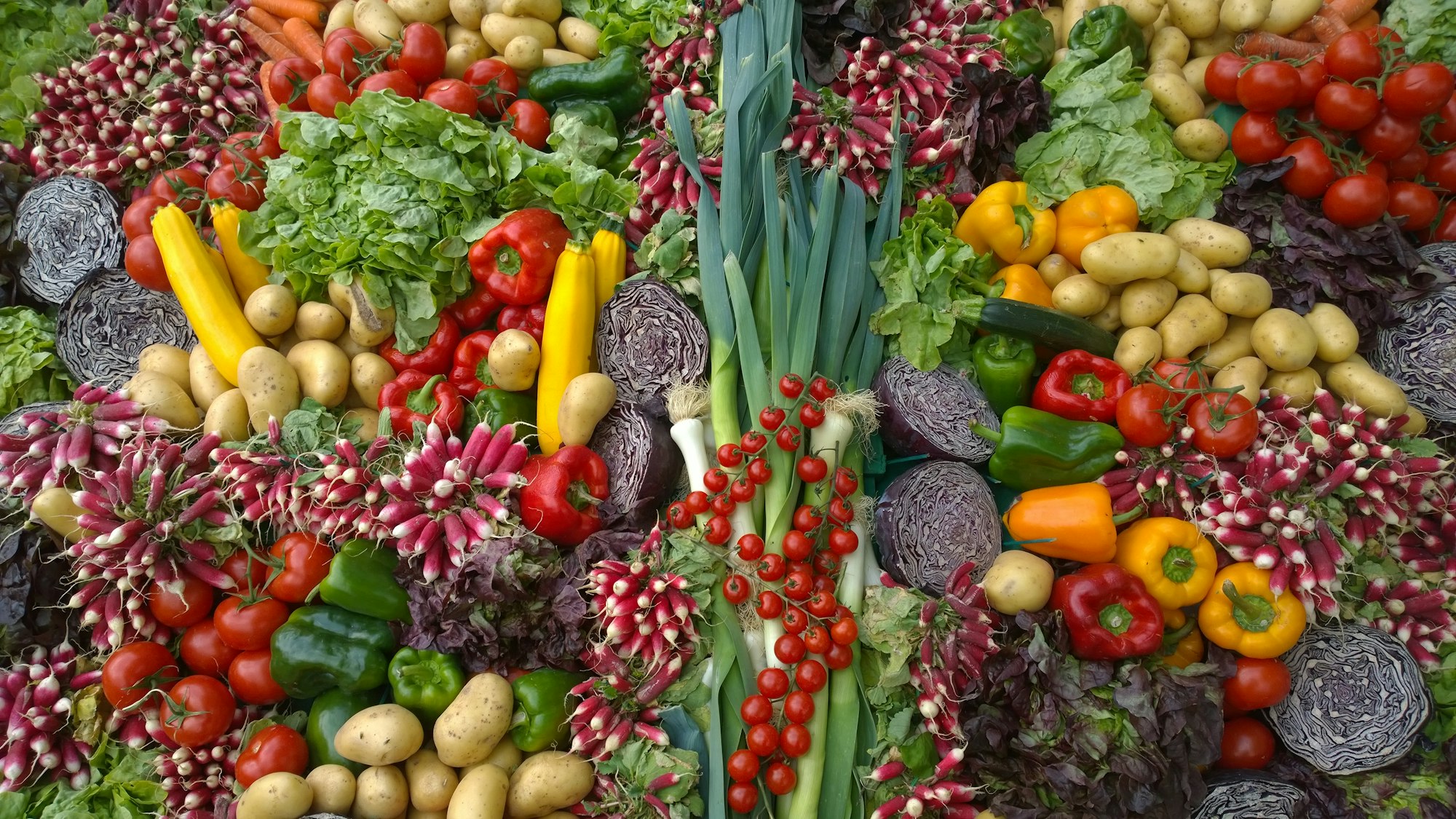


Nobody wants to bring it up. Patients will tell me about their marriage, their drinking, their sex drive, and their mother's dementia before they'll mention that they haven't had a bowel movement in five days. It usually comes out at the very end of the visit, hand already on the doorknob. “Oh, and one more thing, doc.”
Constipation is one of the top reasons people quit their GLP-1 medication. It's also one of the most fixable problems in the whole category. I'm Dr. Farhan Abdullah, an internal medicine physician and the medical director at Magnolia Functional Wellness here in Southlake. I've managed enough patients on semaglutide and tirzepatide to say this with confidence: most of the gut trouble we see isn't a side effect of the drug so much as a side effect of what happens to your diet when the drug starts working.
That distinction matters, because it changes the fix.
What GLP-1 Medications Actually Do to Your Gut
GLP-1 receptors aren't just in your brain and pancreas. They're scattered throughout the gastrointestinal tract, and one of the primary things they do when activated is slow gastric emptying. Food sits in your stomach longer. That's a feature, not a bug. It's a big part of why you feel full on half a plate.
But that slowdown doesn't stop at the stomach. Transit through the small and large intestine slows too. And the mechanical consequence is one most people never hear about: the longer stool sits in your colon, the more water your colon pulls out of it. Your colon is very good at reclaiming water. Give it extra time and it will take extra water, and what's left behind gets hard, dry, and difficult to pass.
The numbers back this up. A 2025 systematic review and network meta-analysis published in the International Journal of Obesity looked specifically at gastrointestinal adverse events from GLP-1 receptor agonists in non-diabetic patients with overweight or obesity, pooling thirty-nine trials. Nausea gets all the attention, but constipation showed up consistently across agents and appeared to track with dose. That last part is clinically useful, because dose is something we control.
So you have a medication that slows transit, plus a body that's now extracting more water from stool. Then add the third factor, which is the one almost nobody accounts for.
The Real Culprit Is Your Grocery List
When appetite drops by thirty or forty percent, total food intake drops with it. That's the point. But fiber doesn't drop proportionally. It drops faster.
Think about which foods disappear first when you can only eat a small volume. Salads go. Beans go. The big bowl of oatmeal goes. Fruit with the skin on it goes. These are bulky, filling, low-calorie-density foods, exactly the ones that lose out when you have limited stomach real estate and you're also being told, correctly, to prioritize protein. So the chicken breast and the Greek yogurt stay in the rotation. The lentils and the artichokes quietly vanish.
Meanwhile the average American adult was already eating around fifteen grams of fiber a day before ever starting a GLP-1. The recommended intake is roughly twenty-five grams for women and thirty-eight for men. Most people are running a deficit to begin with. Cut total intake by a third on top of that and you can land at eight or nine grams a day without noticing.
In my practice, when a patient tells me they're constipated on tirzepatide, my first question isn't about the medication. It's “walk me through everything you ate yesterday.” Nine times out of ten, the answer explains itself.
Not All Fiber Does the Same Job
This is where a lot of well-intentioned patients go wrong. They hear “eat more fiber,” grab whatever tub says FIBER on the front at the grocery store, take a scoop, and end up bloated and gassy and miserable. Then they conclude fiber made things worse and give up.
There are really three functional categories worth understanding.
Soluble fiber dissolves in water and forms a gel. Psyllium husk, oat beta-glucan, chia, ground flax, pectin from apples and citrus. This is the category that holds water inside the stool and keeps it soft. For someone whose colon is aggressively dehydrating everything that passes through, this is the workhorse.
Insoluble fiber doesn't dissolve. Wheat bran, vegetable skins, nuts, seeds. It adds physical bulk and provides mechanical stimulation to the gut wall. Useful, but on its own it can feel like adding gravel to a slow-moving pipe if hydration is poor.
Highly fermentable fiber is a separate consideration. Inulin, chicory root, FOS, and a lot of the trendy prebiotic powders fall here. Gut bacteria ferment these enthusiastically and produce short-chain fatty acids, which are genuinely good for the colon lining. They also produce gas. If you're already dealing with delayed gastric emptying and bloating on a GLP-1, dumping a large dose of inulin into that system is asking for a rough afternoon.
The evidence supports being selective here. A 2022 meta-analysis in the American Journal of Clinical Nutrition by van der Schoot and colleagues at King's College London pooled sixteen randomized controlled trials covering 1,251 adults with chronic constipation. Sixty-six percent of patients on fiber responded to treatment versus forty-one percent on control. But the effect wasn't uniform across fiber types. Psyllium and pectin carried the significant benefit, doses above ten grams per day worked better than lower doses, and it took at least four weeks of consistent use to see improvement in stool frequency. The same analysis found flatulence was meaningfully higher in the fiber groups, which is exactly the tradeoff patients need to be warned about in advance so they don't panic and quit at week two.
Fiber does a lot more than keep you regular, by the way. The 2019 Lancet series by Reynolds and colleagues on carbohydrate quality and human health pooled decades of prospective data and randomized trials and found dose-dependent reductions in all-cause mortality, coronary heart disease, type 2 diabetes, and colorectal cancer as fiber intake climbed toward twenty-five to twenty-nine grams a day. You're not just solving a plumbing problem.
The Protocol We Use at Magnolia
Here's roughly what I put in front of patients when constipation shows up on a GLP-1. It isn't complicated, but the sequence matters.
- Start psyllium, and start low. Five grams once daily, mixed in at least twelve ounces of water, taken consistently. After a week or two, move to five grams twice daily if tolerated. Going straight to a full dose is how people end up bloated and convinced fiber doesn't work for them.
- Separate it from your other medications. Psyllium can bind oral drugs. Give it a two-hour buffer on either side of thyroid medication, and don't take it at the same time as your other pills out of convenience.
- Water is not optional. Fiber without adequate fluid makes constipation worse, not better. I want eighty to a hundred ounces daily for most adults. Between the Texas heat and the fact that a lot of people on GLP-1s simply forget to drink because thirst cues get muddled along with hunger cues, this is where the protocol fails most often.
- Add magnesium at night. Two hundred to four hundred milligrams of magnesium citrate or glycinate before bed pulls water into the bowel osmotically and helps with sleep as a bonus. Cheap, well-tolerated, and effective for a lot of my patients.
- Move your body. Twenty to thirty minutes of walking stimulates colonic motility. It doesn't have to be a workout. A loop around Southlake Town Square after dinner counts.
- Food first where you can. Two tablespoons of chia in Greek yogurt is about ten grams of fiber and adds almost no volume to the meal. Ground flax, raspberries, avocado, and black beans are all high-fiber per bite, which matters a great deal when bites are limited.
- Slow down the dose escalation. If constipation is significant, we hold at the current GLP-1 dose longer instead of climbing on schedule. There's no prize for reaching the maximum dose fastest, and the weight loss curve is remarkably forgiving about timing.
One more thing I check before blaming the medication: thyroid function, iron and calcium supplements, and any anticholinergic or opioid medications. Hypothyroidism causes constipation, iron supplements are notorious for it, and plenty of people are on something for allergies or bladder or sleep that's quietly slowing their gut down. Worth ruling those out rather than assuming the GLP-1 is the whole story.
When to Stop Pushing Fiber and Call Us
Most GLP-1 constipation is a nuisance that responds to the steps above within a few weeks. A small fraction is something else, and I'd rather my patients over-report than tough it out.
Call if you've gone more than five to seven days without a bowel movement, particularly if it comes with abdominal distension, worsening pain, or vomiting. That combination raises the question of ileus or obstruction, and in that setting adding more bulk-forming fiber is the wrong move. It can make things worse.
These events are uncommon but not theoretical. A large new-user cohort study published in Annals of Internal Medicine in January 2026 compared severe gastrointestinal outcomes across dulaglutide, semaglutide, and tirzepatide in adults with type 2 diabetes, using a composite of acute pancreatitis, biliary disease, bowel obstruction, gastroparesis, and severe constipation. The absolute rates were low. But low isn't zero, and the reason we do physician-supervised GLP-1 weight loss with real follow-up rather than a mail-order subscription is precisely so somebody is paying attention when a symptom crosses from annoying into concerning.
Blood in the stool, severe unrelenting pain, or persistent vomiting are all reasons to be seen the same day, not to wait for your next scheduled visit.
The Part Most People Skip
If I could get one habit to stick with every patient starting semaglutide or tirzepatide, it would be this: build the fiber and hydration routine in week one, before you have a problem. Not week six, after four days of misery.
Constipation is far easier to prevent than to reverse. Once stool has been sitting in the colon drying out for a week, you're playing catch-up, and the fix takes longer and feels worse. Patients who start psyllium and set a water target on day one mostly never deal with this at all. Patients who wait until it hurts spend a couple of unpleasant weeks digging out.
The medication is doing something remarkable to your appetite and your metabolism. Your job, and mine, is to make sure the rest of your physiology keeps up. That means protein to protect muscle, resistance training to use it, water to keep everything moving, and enough fiber to give your gut something to work with. None of that is glamorous. All of it determines whether you're still on the medication and feeling good twelve months from now.
If you're on a GLP-1 and quietly suffering through this, or you're considering starting one and want a plan that accounts for more than just the injection, that's the kind of conversation we have every week at Magnolia Functional Wellness in Southlake.
By Dr. Farhan Abdullah, DO | Medical Director, Magnolia Functional Wellness | Southlake, TX
Your Questions Answered
Led by trained medical professionals delivering safe, effective, and scientifically backed aesthetic and wellness treatments.
Why am I so constipated on semaglutide or tirzepatide?
Two things are happening at once. The medication slows how fast food moves through your gut, so your colon has more time to pull water out of the stool and it gets hard and dry. At the same time your appetite dropped, and fiber-heavy foods like beans, salads and oatmeal are usually the first things to fall off your plate. In my experience the diet piece is the bigger driver, which is good news because it's the easier one to fix.
What kind of fiber should I take on a GLP-1?
Psyllium husk is where I start most patients. The randomized trial data is strongest for psyllium and pectin, and it holds water in the stool rather than just adding bulk. Begin with about five grams once a day in a full glass of water and work up slowly, because going straight to a big dose is how people end up bloated and convinced fiber doesn't work. I'd be cautious with inulin and chicory-root prebiotic powders since they ferment aggressively and can make GLP-1 bloating worse.
When is constipation on a GLP-1 serious enough to call the doctor?
Call us if you've gone more than five to seven days without a bowel movement, especially with a distended belly, worsening pain, or vomiting. That combination can point toward an ileus or an obstruction, and adding more fiber in that situation makes things worse rather than better. Blood in the stool or severe unrelenting pain means being seen the same day. We'd much rather hear from you at Magnolia Functional Wellness in Southlake early than have you tough it out.
How much water should I drink on a GLP-1 during a Texas summer?
A reasonable starting point is roughly half your body weight in ounces of water a day, then more on any day you're outside or sweating. The catch is that GLP-1s quiet your thirst signal, so you can't wait until you feel thirsty. At Magnolia Functional Wellness in Southlake we tell patients to front-load water in the morning and add an electrolyte packet on hot days, because plain water alone doesn't replace the sodium you lose sweating.
When should I increase my GLP-1 dose?
The short version is when you've truly stalled at your current dose for three to four weeks, your appetite control has clearly faded, and you're tolerating the medication well with no lingering nausea. If the medication is still quieting your appetite and the scale is slowly creeping down, there's usually no reason to move up. At Magnolia Functional Wellness in Southlake, we make that call together based on your weight trend, your hunger, and your side effects, not a fixed calendar.
Need More Information?
Our team is ready to answer your specific questions and concerns.