
No Shave November: Facial Hair and Testosterone
Thinking about skipping the razor this November? Dr. Abdullah explains how testosterone and DHT actually build a beard, why beard thickness is a poor stand-in for hormone levels, and when a change in your facial hair is worth a lab test.
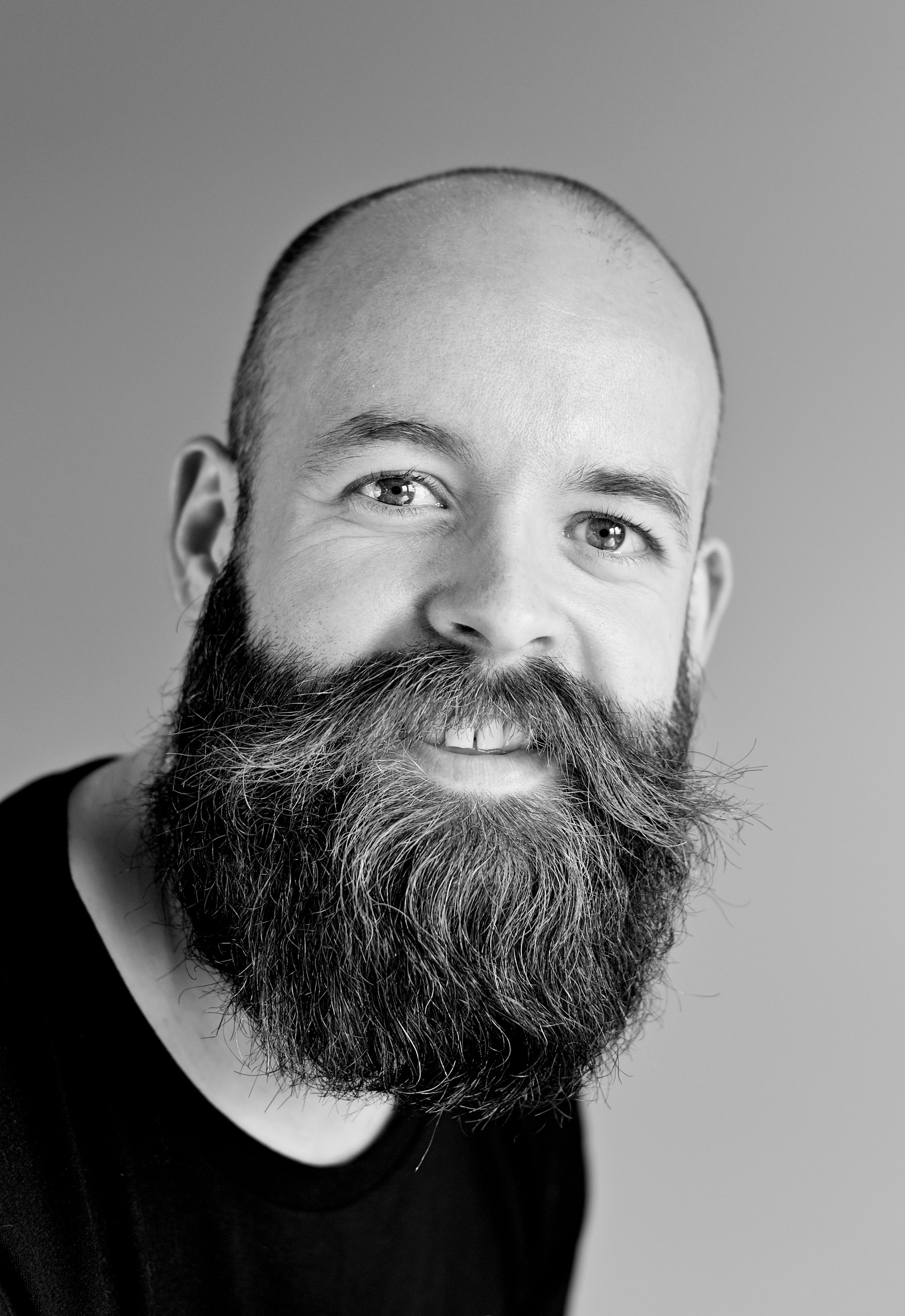


By Dr. Farhan Abdullah, DO | Medical Director, Magnolia Functional Wellness | Southlake, TX
Every year around the first of November, a handful of my patients show up with a little more stubble than usual and a very specific question. Is the beard a sign that my testosterone is fine? Or the opposite, a few of them ask, why can't I grow one at all? I'm Dr. Abdullah, an internal medicine physician, and I see men at Magnolia Functional Wellness in Southlake who treat their facial hair like a dashboard warning light. It's a fun theory. It's also mostly wrong.
No Shave November started as a cancer awareness effort, and I'm all for anything that gets men talking about their health. So let's use the month as an excuse to sort out what a beard actually reflects, what it doesn't, and the handful of situations where a change in your face deserves a blood draw.
How a beard actually grows
You're born with beard follicles. They just don't do much until puberty, when rising androgens (testosterone and its more potent cousin, dihydrotestosterone, or DHT) tell those tiny, nearly invisible vellus hairs to switch over to thick, pigmented terminal hairs. That switch is the whole story of the beard.
Here's the part that surprises people. The testosterone in your blood isn't the main player at the follicle. Inside the skin, an enzyme called 5-alpha reductase converts testosterone into DHT, and DHT is what binds most tightly to the androgen receptors in the cells at the base of the hair follicle. A 1993 study by Thornton and colleagues in Clinical Endocrinology compared cultured cells from beard follicles with cells from non-balding scalp follicles. Beard cells produced meaningful amounts of DHT from testosterone. The scalp cells didn't. The authors tied that to a clinical observation that has stuck with me since training: men born without working 5-alpha reductase barely grow a beard at all.
So the beard depends on two things working together. You need enough androgen circulating, and your follicles need to be good at turning it into DHT and responding to it. The second half is mostly set by your genes, which is why one brother can grow a full beard by nineteen and the other is still waiting at thirty.
Why a thick beard doesn't prove high testosterone
If a bigger beard meant higher testosterone, you'd expect the two to line up in a study. They don't. A 2021 paper by Kowal and colleagues in the Archives of Sexual Behavior measured the beards of 97 healthy young men with calipers, then checked their salivary testosterone before and after exercise. Beard length wasn't related to testosterone levels. It wasn't related to self-reported dominance either, which will disappoint anyone hoping their beard says something about their personality.
It's a small study in young, healthy men, so I wouldn't treat it as the last word. But it fits what I see in the exam room. Plenty of men with dense beards turn out to have low morning testosterone, and plenty of men with sparse chins have perfectly healthy levels. The mirror just isn't a lab test.
There's a simple analogy I use with patients. Think of testosterone as the radio signal and your follicles as the radio. A strong signal won't help much if the receiver is weak, and a weak signal can still come through a very good receiver. Genetics decide the receiver. Your lab work shows the signal. They're different questions.
What the research does show about androgens and facial hair
That said, androgens clearly matter. Take away the signal entirely and the beard shows it. A randomized, double-blind trial by Saeedi and colleagues in the Journal of Dermatological Treatment studied 32 young men with beta-thalassemia major, a condition that often delays puberty and leaves facial hair underdeveloped. Half applied a 2.5 percent testosterone gel for six months and half used a vehicle control. At the end, the treated group averaged about 30 terminal hairs per square centimeter in the beard area compared with roughly 14 in the control group.
I want to be careful about what that does and doesn't tell us. These were young men with a specific medical condition and genuinely deficient hormone status, studied under supervision. It's evidence that androgens drive terminal hair growth when they're missing. It isn't evidence that a man with normal levels can grow a better beard by adding more. Past a certain point, the follicle is already responding as much as its genetics allow.
Which brings up the question I get asked more than any other in November. Will testosterone therapy give me a fuller beard? If you're truly deficient, some men do notice slightly thicker facial and body hair as their levels are corrected. But that's a side effect, not a goal. At Magnolia we treat a confirmed deficiency with real symptoms, and we don't prescribe hormones for cosmetic reasons. If your levels are normal, therapy won't fix a patchy cheek, and I'll tell you that straight.
When a change in your facial hair is worth a lab test
A beard that's always been patchy is almost certainly just your family tree. A beard that has changed is a different conversation. Here are the patterns that make me want to look closer.
- Facial or body hair that has become noticeably thinner or slower over a year or two, especially if you used to shave daily and now don't need to.
- A drop in morning erections, libido or drive that showed up around the same time.
- Losing muscle or gaining belly fat despite training and eating the way you always have.
- Persistent fatigue, low mood or poor recovery that sleep isn't fixing.
None of those proves low testosterone. Sleep apnea, thyroid problems, high blood sugar, heavy alcohol use, certain medications and plain old chronic stress can all produce the same picture. That's why a workup matters more than a guess. I want a morning, fasting total testosterone and a free testosterone, along with SHBG, plus a look at thyroid, A1c, vitamin D and a basic metabolic panel. If something looks low, we repeat it on a separate day before anyone makes a decision, because a single number can bounce for harmless reasons.
You can read more about how we approach this in our guide on what men over 30 need to know before starting TRT, and about the clinical side on our testosterone replacement therapy page.
The other things that decide how your beard looks
Since we're at it, a few non-hormonal factors that explain more beard variation than testosterone does.
Genetics come first, and they're not close. Ancestry and family pattern shape both density and where the hair grows. Age is next. Many men don't fill in their cheeks until their late twenties or thirties, so a thin beard at twenty-two isn't a diagnosis. Alopecia areata, an autoimmune condition, can cause sudden round bald patches in a beard, and that's a skin issue rather than a hormone one. Nutrition matters at the edges. Iron deficiency and low protein intake can affect hair quality, though they rarely explain a patchy beard on their own.
And then there's the stuff people hope will help. Beard oils and balms keep hair soft and skin comfortable, and that's about all they do. They can't change what your follicles are programmed to produce. Supplements marketed as testosterone boosters for beard growth have no good human evidence behind them that I'm aware of, and a few can interfere with lab results. I'd rather you save the money.
One more practical point for November: growing out a beard in the Texas heat is its own experiment. Keep the skin underneath clean, wash the beard regularly, and don't ignore persistent itching or red bumps. Folliculitis is common and easy to treat when it's caught early.
Use the month to check what actually matters
If you're growing a beard for No Shave November, enjoy it. If you can't grow one, don't read much into it. The more useful move is to treat the month as a nudge about your broader health. When did you last have your blood pressure, glucose, cholesterol and testosterone checked? Men tend to skip those until something goes wrong.
What I tell my patients is simple. Your beard is a fun trait with a genetic recipe, and your lab results are the real data. If the two tell a story that worries you, bring both to someone who'll look at the whole picture, including sleep, stress, weight and everything else that moves hormones. That's the kind of visit we do at Magnolia Functional Wellness here in Southlake, and it's a lot more informative than staring at your chin in the bathroom mirror.
Your Questions Answered
Led by trained medical professionals delivering safe, effective, and scientifically backed aesthetic and wellness treatments.
Does a thick beard mean I have high testosterone?
<p>Not reliably. In a study of 97 healthy young men, beard length wasn't related to testosterone levels. Beard density depends more on how sensitive your follicles are to dihydrotestosterone, which is largely inherited. If you're worried about your hormones, a morning blood test tells you far more than a mirror does.</p>
Can low testosterone make my beard patchy?
<p>It can contribute, but genetics usually matter more. Beard follicles need androgens to turn fine fuzz into thick, terminal hair, so a man with truly low levels may notice slower growth or thinning. Most patchy beards in otherwise healthy men are just family traits. If your beard changed along with your energy, libido or muscle, that's worth a conversation with a physician.</p>
Will testosterone therapy change my facial hair?
<p>Some men notice slightly thicker or faster-growing facial and body hair after their levels are corrected, especially if they were truly deficient. How much depends on your genetics, and it isn't a reason to start treatment. At Magnolia Functional Wellness in Southlake, we prescribe testosterone only for a confirmed deficiency with symptoms, never for cosmetic goals.</p>
My testosterone level looks normal, so why do I still feel off?
Often it's SHBG, the protein that binds your hormones in the blood. When SHBG is high, your total testosterone can read normal while your free, usable testosterone is low. That's why we look at total testosterone, free testosterone, and SHBG together, alongside your symptoms, before we change anything.
Need More Information?
Our team is ready to answer your specific questions and concerns.