Hormesis: Why Small Stresses (Cold, Heat, Fasting) Make You Stronger
Cold plunges, saunas, and intermittent fasting all work through the same biological principle: hormesis. Dr. Farhan Abdullah unpacks the research behind these longevity tools, what doses actually work, and which patients should sit them out.


By Dr. Farhan Abdullah, DO | Medical Director, Magnolia Functional Wellness | Southlake, TX
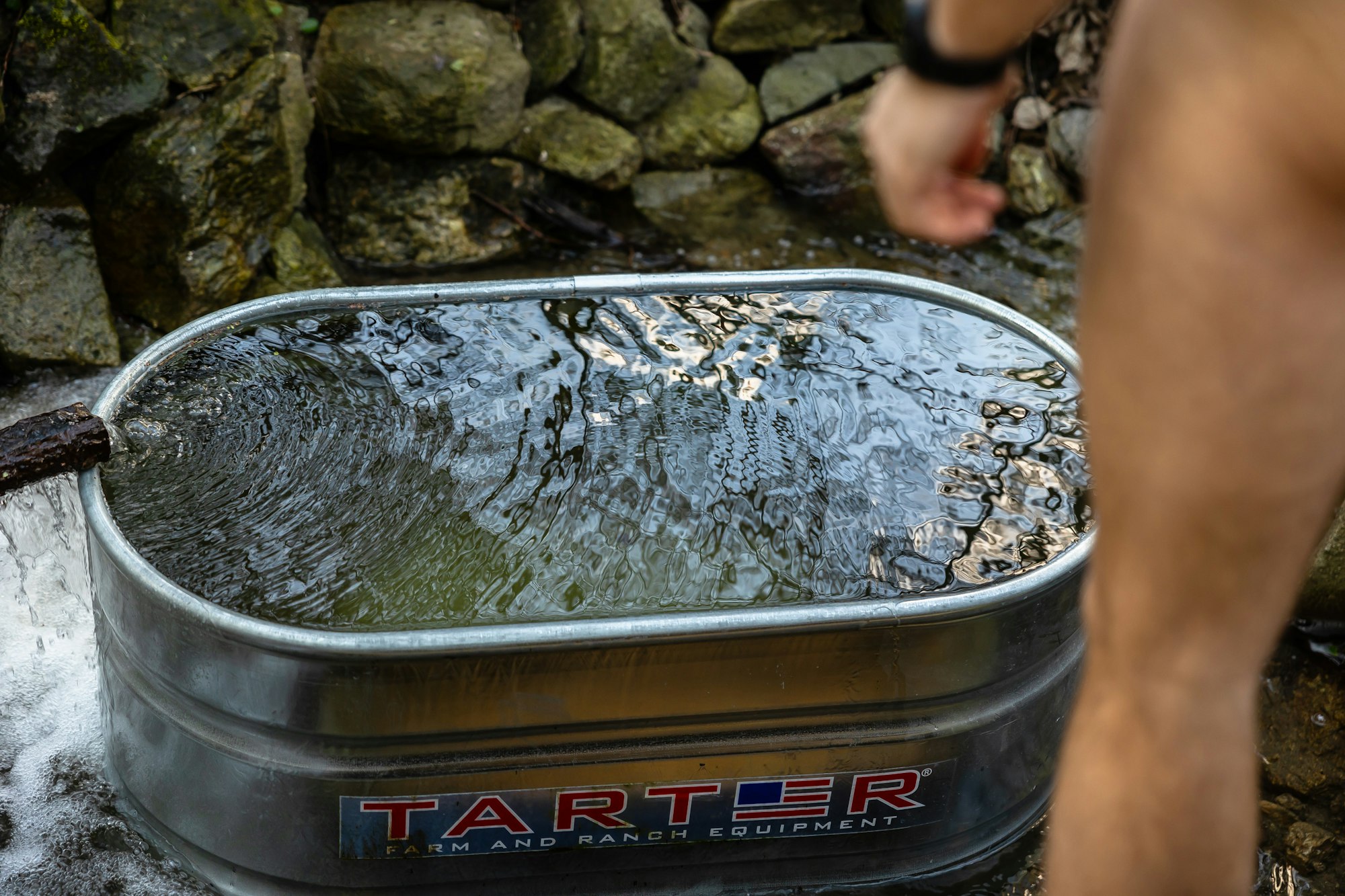
A patient sat across from me last week, looking sheepish. He'd just spent $4,800 on a stainless-steel cold plunge that takes up half his garage. "Doc, I'm dunking myself in 39-degree water every morning before work. My wife thinks I've lost it. Tell me this isn't crazy." I smiled, because I get some version of this question every single week. Cold plunges. Saunas. Skipping breakfast. Pushing yourself in a workout until your legs shake. Patients want to know if these "small stresses" are doing something real, or if it's just expensive theater for people with too much disposable income.
Here's the short version: he's not crazy. The biology behind what he's doing has a name, and it's been studied for decades. It's called hormesis, and it might be the single most important concept in modern longevity medicine that almost nobody outside research labs is talking about correctly. At Magnolia Functional Wellness in Southlake, this concept underpins a huge chunk of how I think about preventive care. So let's actually unpack it.
What Hormesis Actually Means (Without the Buzzwords)
Hormesis is a fancy word for a simple, ancient idea: small doses of something stressful or even toxic can trigger adaptive responses that make you stronger, while big doses of that same thing will wreck you. The dose makes the poison, and the dose also makes the medicine. A weightlifter knows this instinctively. You tear down muscle fibers in the gym, and the body, in response, builds them back thicker and tougher. The stress is the signal. Without it, the adaptation never happens.
What's changed in the last twenty years is that we now understand the cellular machinery behind this. We can measure it. When you expose yourself to brief, controlled stressors like cold water, infrared sauna heat, intermittent fasting, or high-intensity exercise, your cells flip on a cascade of protective genes. Heat shock proteins. Cold shock proteins. Sirtuins. AMPK. Nrf2. These aren't supplement marketing terms. They're the actual switches that govern how well your cells repair DNA damage, clear out junk proteins, manage inflammation, and produce mitochondrial energy.
The catch, and it's a big one, is that the dose really matters. A 90-second cold shower does something completely different than sitting in 35-degree water until you're hypothermic. A 14-hour overnight fast is a wildly different stimulus than a five-day water-only fast. People who treat hormesis like more is always better are the same people who end up in the ER with rhabdomyolysis or a vagal-induced cardiac event. I've seen it. So please, before we go any further, get this through your skull: hormesis works on a U-shaped curve. Sweet spot in the middle. Toxic on either end.
The Heat Side: What Sauna Research Actually Shows
Of all the hormetic stressors, heat exposure has some of the strongest population-level evidence behind it. The big study everyone references comes out of Finland, and it's worth understanding properly. In 2015, Tanjaniina Laukkanen and colleagues published a prospective cohort study in JAMA Internal Medicine following 2,315 middle-aged Finnish men over roughly 20 years. Compared to men who used the sauna once a week, men who used it 4 to 7 times per week had significantly lower rates of fatal cardiovascular events and lower all-cause mortality. The effect held up even after adjusting for the usual suspects: smoking, blood pressure, cholesterol, BMI, and physical activity.
Now, before anyone sprints out and buys a barrel sauna, a few honest caveats. This was an observational study in Finnish men who'd been using saunas their entire lives. Correlation isn't causation. Sauna culture in Finland comes wrapped in social connection, lower stress, and other lifestyle factors that are themselves protective. But the proposed mechanisms are biologically plausible. Repeated heat exposure improves endothelial function. It triggers heat shock proteins that help refold misfolded cellular proteins, which is part of why we think it may protect cognition over time. It also drops blood pressure acutely and, with regular use, chronically.
What I tell my patients in Southlake who are interested in incorporating sauna: 4 to 7 sessions per week, 15 to 30 minutes per session, somewhere in the 170 to 200 degree Fahrenheit range. Hydrate aggressively, especially if you're on blood pressure meds or testosterone therapy (testosterone can raise hematocrit, and dehydration on top of that is asking for trouble). If you have a cardiac history, talk to your cardiologist before you start. If you're pregnant, the heat stress isn't appropriate. Pair the sauna with our red light therapy sessions and you've stacked two of the best-evidenced low-risk longevity tools we have access to right now.
The Cold Side: Less Hype, More Nuance
Cold exposure is where things get a little more contested. The marketing is louder than the data here, so let me give you the honest read. Brief cold exposure does activate brown adipose tissue, increase norepinephrine release (sometimes by 200 to 300 percent), and produce subjective improvements in mood and alertness that most people who do it consistently will swear by. The metabolic story is murkier than influencers will tell you.
A 2024 study in the British Journal of Nutrition by Charlot and colleagues examined what happens when 23 healthy young men were exposed to 24 hours of passive cold (16°C) versus heat (32°C) versus thermoneutral conditions. Cold exposure didn't significantly change total energy intake or hunger, but it dramatically altered food reward, particularly increasing the appeal of high-fat foods. That tracks with what I see clinically. Patients who do extreme cold exposure often report ravenous appetite afterward, especially for calorie-dense foods. The body is asking to refill its glycogen and warm itself up. Useful information if you're using cold exposure as part of a weight loss strategy and wondering why the scale isn't moving.
What's the practical takeaway? If cold exposure feels good and supports your mental health, do it. The dose I usually suggest is 1 to 3 minutes in cold water somewhere between 50 and 59 degrees, two to four times per week. That's it. You don't need 11 minutes a week of hardcore ice baths to get the dopamine and norepinephrine response. And critically: do not do cold exposure right after a heavy resistance workout if your goal is muscle hypertrophy. The cold blunts the inflammatory signaling that drives muscle adaptation. Save it for the morning, or for non-lifting days.
The Fasting Side: The Most Powerful Switch
If sauna is the most studied heat stressor and cold plunges are the most overhyped, intermittent fasting might be the most powerful hormetic tool you can use without buying anything. The mechanism is something called metabolic switching, and it's the heart of a comprehensive 2019 New England Journal of Medicine review by Dr. Rafael de Cabo and Dr. Mark Mattson. Their argument, supported by decades of animal and human data, is that the metabolic shift from burning glucose to burning ketones triggers a cascade of beneficial changes: improved stress resistance, enhanced autophagy (your cells' recycling and cleanup program), reduced systemic inflammation, and improved cognitive function.
The trick is that you don't need anything dramatic to engage this switch. A 14- to 16-hour overnight fast, done consistently, gets most people into the early phases of ketosis and autophagy. That's a reasonable, sustainable starting point for most adults. I tell patients to stop eating by 7 or 8 PM, and not eat again until 10 or 11 the next morning. Black coffee, water, and unsweetened tea are fine in the fasting window. That's it. No fancy supplements required, no $300 fasting-mimicking diet kits.
Where I push back hard is on the people doing 36-, 48-, or 72-hour fasts repeatedly without medical supervision. Long fasts can be useful in specific contexts. They can also tank thyroid function, suppress reproductive hormones (especially in women), trigger gallstones, and burn through lean muscle mass. Hormesis works because the stressor is brief enough to trigger adaptation without causing damage. Cross that line and you're not stimulating longevity pathways anymore, you're starving. Big difference.
Putting It All Together: A Practical Hormesis Stack
Here's how I think about applying hormesis principles in real life, especially for the busy professionals I see at the clinic in Southlake who are juggling careers, kids, and the slow creep of middle age. The goal isn't to do every hormetic stressor every day. The goal is to weave a few of them into your week consistently, at doses your body can recover from.
A reasonable starting framework looks something like this. Move your body in a way that makes you breathless several times a week. Resistance train two to four times. Eat in a 10-hour window most days, with the occasional longer overnight fast on the weekend if it suits you. Get into a sauna three to five times per week if you have access. Add a brief cold exposure (cold shower at the end works fine) two to three times per week. Sleep seven to nine hours, because none of these adaptations consolidate without sleep. That's the whole game. It's profoundly unsexy. It also works.
The other piece, and this is something I really emphasize with patients, is that hormesis isn't a substitute for fixing what's underneath. If your testosterone is in the basement, no amount of cold plunging will get you back to feeling like yourself. If your thyroid is misfiring, sauna isn't going to fix it. If your sleep apnea is going untreated, fasting won't outwork that. Hormetic interventions amplify a foundation. They don't replace one. That's why at the clinic, we work up the underlying labs and physiology first, then layer the lifestyle interventions on top of optimization. The two together are more than the sum of their parts.
Who Should Actually Avoid This Stuff
Let me be direct, because the wellness internet won't be. Hormetic stressors aren't universally beneficial and there are people who shouldn't do them, or shouldn't do them without close oversight.
If you're significantly underweight, have a history of disordered eating, or are pregnant or actively trying to conceive, fasting is probably not for you. If you have uncontrolled hypertension, recent cardiac events, or unstable arrhythmias, both extreme cold and extreme heat can be genuinely dangerous, and you need a cardiologist's input before incorporating them. If you have advanced autoimmune disease in a flare, layering on hormetic stressors can sometimes worsen the inflammatory cascade rather than calm it. And if you're an older adult on multiple medications, the interaction between, say, diuretics and sauna-induced fluid loss, or between blood pressure meds and the vasodilation of heat exposure, deserves real conversation, not a YouTube influencer's blanket recommendation.
The point isn't that any of this is dangerous in isolation. It's that the right dose for your friend isn't necessarily the right dose for you, and your context matters more than the protocol someone else is selling.
The Bigger Picture
What hormesis ultimately tells us is that the body is built to be challenged. Comfort, taken to its modern extreme, is making us metabolically sick. Climate-controlled houses, processed food available at all hours, sedentary days, and zero physical hardship is a recipe for the chronic disease epidemic we're watching unfold in real time. The medications I prescribe at the clinic, including peptides, hormone replacement, and the various tools we use in longevity medicine, can move the needle. But they work better when they're sitting on top of a body that's been regularly asked to do hard things.
So if you're the patient with the cold plunge in the garage, or the one who's been thinking about adding sauna sessions, or someone toying with the idea of a longer overnight fast a few days a week, I'd say: yes, it's worth it. Just respect the dose-response curve. Start small, pay attention to how your body responds, and don't let the loud people on the internet pressure you into protocols that aren't suited to where you are right now. If you're not sure where to start, or you want to pair these lifestyle pieces with a more comprehensive workup, we'd be happy to see you at Magnolia Functional Wellness in Southlake and put together something that actually fits your physiology.
Your Questions Answered
Led by trained medical professionals delivering safe, effective, and scientifically backed aesthetic and wellness treatments.
Does sauna actually help me live longer?
The strongest evidence comes from a 20-year Finnish cohort study showing that men who used the sauna 4 to 7 times per week had significantly lower cardiovascular and all-cause mortality compared to once-a-week users. It's observational, so we can't prove causation, but the proposed mechanisms (heat shock proteins, improved endothelial function, lower blood pressure) are biologically plausible. At Magnolia Functional Wellness in Southlake, I tell patients regular sauna is one of the lowest-risk longevity tools we have access to right now.
How long should I stay in a cold plunge?
For most people, 1 to 3 minutes in water between 50 and 59 degrees Fahrenheit is plenty to get the dopamine, norepinephrine, and brown adipose tissue activation people are after. You don't need 11 minutes a week of extreme cold. More isn't better here, and overdoing it can blunt muscle recovery if you cold plunge right after lifting. If you're new, start with cold showers and work your way up.
Is intermittent fasting safe to do long-term?
A daily 14- to 16-hour overnight fast is well-tolerated and sustainable for most healthy adults. It's the longer fasts (36 hours and beyond) done repeatedly without supervision that get people in trouble, especially women, where extended fasting can suppress thyroid and reproductive hormones. If you have a history of disordered eating, are pregnant, or are significantly underweight, fasting probably isn't right for you. We discuss this individually at the clinic in Southlake.
Is longevity medicine the same as anti-aging supplements?
No — and the distinction matters. The agents discussed on this page are FDA-approved medications or well-characterized pharmaceutical compounds used off-label with specific mechanistic targets, growing clinical evidence, and physician-supervised monitoring protocols. This is fundamentally different from the supplement industry, which sells products in the vocabulary of longevity science without the regulatory standards, manufacturing quality controls, or clinical oversight that prescription medicine involves. Rapamycin and dasatinib are prescription medications that require physician evaluation precisely because they have meaningful biological effects — which is also why they're worth taking seriously.
Is rapamycin safe at longevity doses?
At the low intermittent doses used in longevity protocols — typically 5–7mg once weekly — the safety profile is considerably different from the daily high-dose regimens used in transplant medicine. The PEARL trial and other human studies have found low-dose intermittent rapamycin well-tolerated, with serious adverse events occurring at similar rates to placebo. Immune monitoring is important because mTOR inhibition affects immune regulation — this is why physician supervision and regular monitoring matter. Unsupervised self-prescription at higher or more frequent doses, as with Bryan Johnson's regimen, produces the infection susceptibility and healing impairment side effects documented in the clinical literature.
Need More Information?
Our team is ready to answer your specific questions and concerns.