



Retatrutide in Southlake, TX
Retatrutide is the first triple hormone receptor agonist ever developed — activating GLP-1, GIP, and glucagon receptors simultaneously to produce weight loss, metabolic improvement, and osteoarthritis pain relief that no previous medication has achieved. Phase 3 clinical trials recorded an average of 28.7% body weight reduction at 68 weeks — roughly 71 pounds — alongside a 75.8% reduction in knee osteoarthritis pain scores. At Magnolia Functional Wellness, Dr. Farhan Abdullah will offer retatrutide as part of a physician-supervised metabolic health protocol upon FDA approval.
Learn More About
Retatrutide
.svg)
What is
Retatrutide
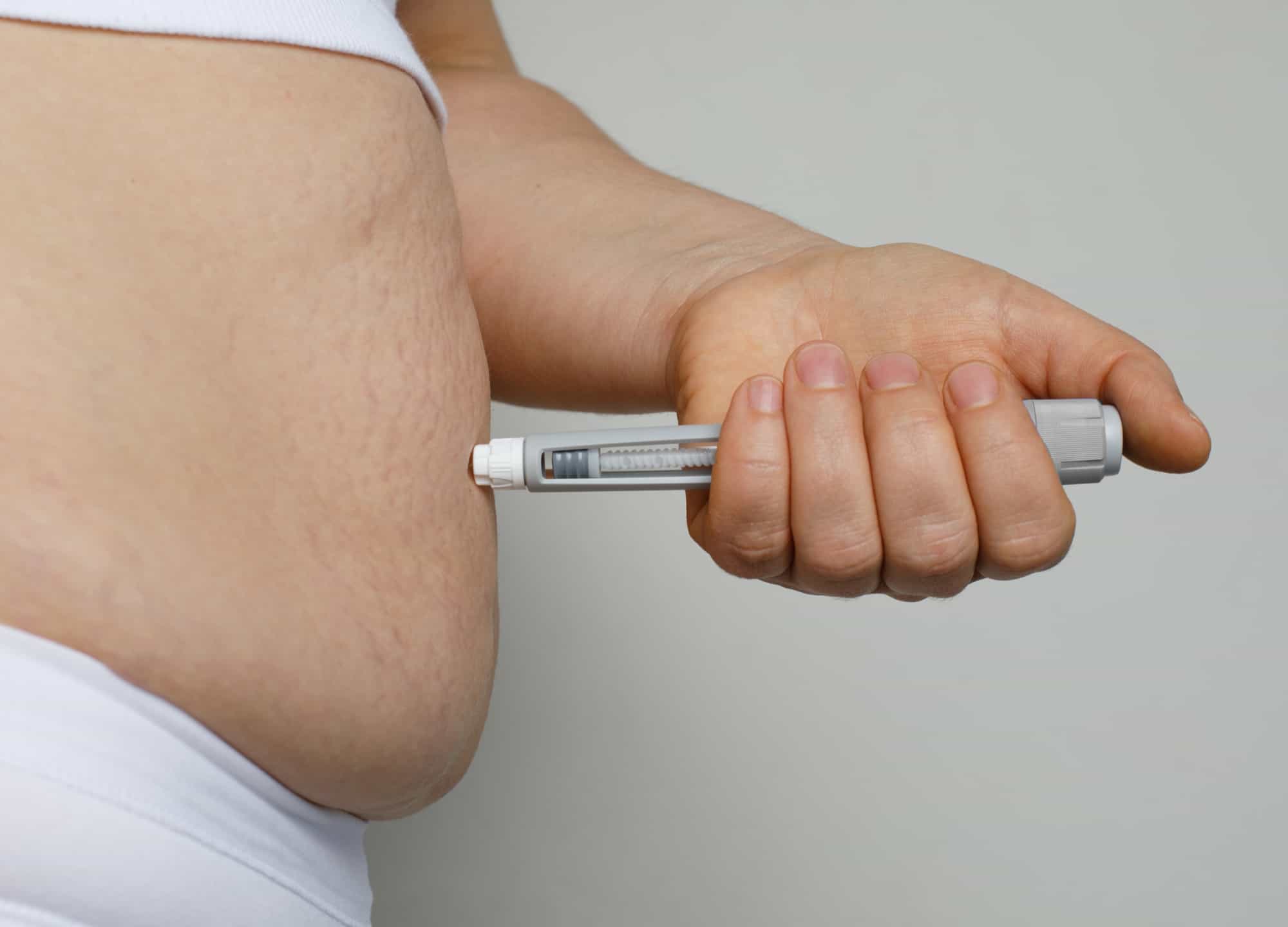
Retatrutide is a first-in-class synthetic peptide developed by Eli Lilly that simultaneously activates three hormone receptors — glucagon-like peptide-1 (GLP-1), glucose-dependent insulinotropic polypeptide (GIP), and glucagon — that together govern appetite, metabolism, insulin sensitivity, energy expenditure, and fat oxidation. It's administered as a once-weekly subcutaneous injection, like semaglutide and tirzepatide, but its triple receptor mechanism produces effects that dual and single agonists simply can't match.
Understanding why requires understanding what each receptor contributes:
GLP-1 receptor activation suppresses appetite through hypothalamic signaling, delays gastric emptying to prolong satiety, improves insulin secretion in response to meals, and reduces postprandial glucose. This is the mechanism semaglutide (Ozempic, Wegovy) is built on.
GIP receptor activation works synergistically with GLP-1 — enhancing insulin release, improving adipose tissue metabolism, improving lipid handling, and critically, moderating the gastrointestinal side effects that limit tolerability of pure GLP-1 agonists. This is what tirzepatide (Mounjaro, Zepbound) adds over semaglutide.
Glucagon receptor activation is what retatrutide adds over everything that came before it. Glucagon increases energy expenditure, drives hepatic lipolysis (mobilizing stored fat for fuel), promotes fat oxidation over muscle catabolism, supports brown adipose tissue thermogenesis, and has demonstrated dramatic effects on liver fat reduction. The glucagon component is why retatrutide produces greater fat loss, better body composition, more pronounced cardiovascular marker improvements, and more than 80% reduction in liver fat — effects that go substantially beyond what appetite suppression alone can explain.
Retatrutide is currently completing its Phase 3 TRIUMPH clinical program. Magnolia Functional Wellness will offer it upon FDA approval. If you'd like to be notified when it's available, contact our team to be added to our waitlist.

Why do We Use
Retatrutide
The honest answer is that the clinical trial data is unlike anything seen in obesity pharmacotherapy before. Phase 3 results published in December 2025 from the TRIUMPH-4 trial — a double-blind, placebo-controlled study in 445 adults with obesity or overweight and knee osteoarthritis — showed the 12mg dose producing an average of 28.7% body weight reduction at 68 weeks. That's an average of 71.2 pounds lost. At the 9mg dose, the average was 26.4% — still more than any prior drug has achieved. The placebo group lost 2.1%.
To put those numbers in context: semaglutide at its approved obesity dose produces approximately 15% average weight loss. Tirzepatide, the best dual agonist currently available, produces approximately 20–21%. Retatrutide's Phase 3 results surpass both — by a margin that's clinically meaningful, not just statistically so.
But retatrutide's differentiation goes beyond weight loss magnitude. The TRIUMPH-4 trial specifically enrolled patients with knee osteoarthritis, and the pain reduction results were extraordinary — a 75.8% average reduction in WOMAC pain scores on the 12mg dose, compared to 40% in the placebo group. More than 14% of patients on the 9mg dose became completely free of knee pain. For a patient population that is often heading toward total joint replacement, that outcome is genuinely practice-changing.
The glucagon receptor component also drives metabolic benefits that operate independently of weight loss — cardiovascular risk marker improvements including non-HDL cholesterol reduction, triglyceride reduction, high-sensitivity C-reactive protein reduction, and at the highest dose, a 14mmHg reduction in systolic blood pressure. In the Phase 2 trial, 72% of patients with prediabetes at baseline reverted to normal glycemia.
At Magnolia Functional Wellness, we offer retatrutide as part of a physician-supervised metabolic health approach that includes baseline metabolic panel, body composition assessment, and ongoing monitoring — because a medication this powerful deserves clinical oversight, not a subscription app.

Key Benefits of
Retatrutide
Unprecedented Weight Loss Efficacy: Phase 3 TRIUMPH-4 data recorded an average of 28.7% body weight reduction at 68 weeks on the 12mg dose — an average of 71.2 pounds — surpassing every weight loss medication previously studied in controlled clinical trials.
Dramatic Knee Osteoarthritis Pain Relief: The TRIUMPH-4 trial documented a 75.8% reduction in WOMAC knee pain scores at 68 weeks. Over 14% of patients on the 9mg dose became completely free of knee pain. For patients with obesity-related osteoarthritis, retatrutide addresses both the mechanical load and the inflammatory environment simultaneously.
Superior Body Composition — Fat Loss Over Muscle Loss: The glucagon receptor component drives preferential fat oxidation and promotes lean mass preservation relative to the magnitude of weight lost. Phase 2 DXA substudy data showed retatrutide producing greater fat mass reduction without proportionally increased lean mass loss — a critical distinction for patients concerned about muscle preservation during aggressive weight loss.
Profound Liver Fat Reduction: Phase 2 data showed retatrutide reducing liver fat by more than 80% at therapeutic doses, with over 80% of patients normalizing liver fat to below 5%. For patients with metabolic-associated steatotic liver disease (MASLD) — formerly NAFLD — this effect is exceptional and goes well beyond what weight loss alone explains.
Comprehensive Cardiovascular Risk Reduction: Beyond weight loss, retatrutide reduces non-HDL cholesterol, triglycerides, high-sensitivity C-reactive protein, and systolic blood pressure — addressing multiple cardiovascular risk factors simultaneously through mechanisms that include but extend beyond weight reduction.
Glycemic Restoration: In Phase 2 trials, 72% of participants with prediabetes at baseline reverted to normal glycemia with retatrutide treatment. For patients on the metabolic spectrum between normal glucose tolerance and type 2 diabetes, the implications are significant.
Who Benefits Most From
Retatrutide
Patients Who've Had Inadequate Response to Semaglutide or Tirzepatide This is the most clinically straightforward indication for retatrutide. Patients who completed a full course of semaglutide or tirzepatide and achieved meaningful weight loss — but not enough, or hit a plateau before reaching a healthy body composition — are exactly the population the TRIUMPH trial data speaks to. Adding glucagon receptor agonism to GLP-1 and GIP mechanisms produces outcomes that dual agonism alone doesn't consistently achieve. For patients who did everything right on their prior GLP-1 and still feel like they fell short, retatrutide represents a genuine clinical step up rather than a lateral move.
Patients with Severe Obesity and High Cardiovascular Risk The 28.7% average weight loss documented in TRIUMPH-4 at 68 weeks isn't distributed equally — patients with higher starting BMI tend to achieve greater absolute weight loss with GLP-1 class medications. For patients with BMI above 40, or those with BMI above 35 alongside established cardiovascular disease, type 2 diabetes, or hypertension, the magnitude of weight loss achievable with retatrutide produces downstream effects — blood pressure reduction, glycemic improvement, lipid improvement, reduced joint loading — that lower-efficacy agents simply don't generate to the same degree.
Patients with Obesity-Related Knee or Hip Osteoarthritis The TRIUMPH trial's secondary endpoint data on knee osteoarthritis pain reduction (75.8% improvement at 68 weeks) is clinically significant for a population that's often told weight loss is important but not offered an agent capable of producing it at scale. Patients whose joint pain limits the exercise capacity needed to lose weight through lifestyle intervention alone — a genuinely vicious cycle — benefit particularly from a pharmacologic approach that produces meaningful loss independent of exercise capacity.
Patients with Significant Visceral Adiposity The glucagon receptor component of retatrutide drives liver fat reduction (greater than 80% reduction in hepatic fat in TRIUMPH data) and preferential visceral fat mobilization beyond what GLP-1/GIP dual agonism produces. For patients with metabolic syndrome, non-alcoholic fatty liver disease, or insulin resistance where visceral fat is the primary cardiovascular and metabolic driver, this mechanism distinction is clinically meaningful. Body weight on the scale doesn't tell the whole story — visceral adiposity is the fraction driving most of the metabolic risk, and retatrutide addresses it specifically.
Patients on TRT or Hormone Optimization Programs Men on testosterone replacement therapy who carry significant excess body fat face a compound problem: elevated adipose tissue increases aromatase activity, converting more testosterone to estrogen, undermining the hormonal optimization they're investing in. Weight loss at the scale retatrutide produces meaningfully reduces aromatization, improves the testosterone-to-estradiol ratio, and amplifies the clinical benefit of the hormone optimization program. Dr. Abdullah manages these patients with both programs in view — because the pharmacology interacts and the outcomes multiply.
What To Expect From
Retatrutide
Step 1 — Metabolic Evaluation: Dr. Abdullah conducts a comprehensive metabolic assessment including fasting glucose, HbA1c, lipid panel, liver enzymes, kidney function, blood pressure, and body composition analysis. Retatrutide candidacy is determined by your metabolic health status, weight-related comorbidities, and treatment goals.
Step 2 — Body Composition Baseline: We establish your baseline lean mass, fat mass, and visceral fat measurements before starting treatment. With a medication producing changes of this magnitude, having objective baseline data lets us track that you're losing fat — not muscle — as treatment progresses.
Step 3 — Dose Titration: Retatrutide is initiated at a low starting dose and titrated gradually over several weeks to minimize gastrointestinal side effects. Slow, careful titration is associated with significantly better tolerability — patients who rush titration experience substantially more nausea and higher discontinuation rates.
Step 4 — Ongoing Monitoring: Labs at 6–8 weeks and quarterly thereafter. Body composition reassessment every 3 months. Blood pressure and metabolic markers tracked throughout. Dr. Abdullah adjusts your protocol based on your clinical response, tolerability, and evolving goals.
Step 5 — Nutritional & Lifestyle Integration: Retatrutide's metabolic effects are amplified by adequate protein intake and resistance training — both of which support lean mass preservation during aggressive fat loss. Dr. Abdullah discusses specific nutritional targets and exercise guidance at your initial visit because the medication works best when the lifestyle framework supports it.
Step 6 — Long-Term Protocol: Retatrutide is a treatment for chronic metabolic disease — not a short-term course. Dr. Abdullah discusses your long-term protocol design, including what maintenance looks like and how retatrutide integrates with your broader metabolic health management over time.

Is
Retatrutide
right for me?
Retatrutide is likely appropriate for adults with a BMI of 30 or higher, or a BMI of 27 or higher with at least one weight-related comorbidity — type 2 diabetes, hypertension, dyslipidemia, sleep apnea, or osteoarthritis.
It's particularly compelling for patients who haven't achieved adequate response with semaglutide or tirzepatide, those with obesity and concurrent knee osteoarthritis, patients with metabolic liver disease, and anyone with a significant cluster of cardiovascular risk factors.
It's not appropriate for patients with a personal or family history of medullary thyroid carcinoma or MEN2, active pancreatitis, or severe gastrointestinal conditions. Patients with a history of poor tolerability on GLP-1 based medications should discuss the side effect profile honestly during consultation — the glucagon component does increase GI side effect rates compared to semaglutide, and patient selection and titration management matter significantly for tolerability.
Dr. Abdullah evaluates your complete metabolic picture before recommending any weight loss medication — including whether your situation is better served by retatrutide, tirzepatide, semaglutide, or a combination approach. The goal is the right treatment for your biology, not the newest one.
Retatrutide at Magnolia Functional Wellness in Southlake, TX
The GLP-1 medication category has transformed obesity medicine over the past decade — and retatrutide represents its most significant advancement yet. Where semaglutide targets one receptor and tirzepatide targets two, retatrutide targets three — and the clinical trial results reflect exactly that step change in biological leverage.
Dr. Farhan Abdullah is a board-certified Internal Medicine physician and Assistant Professor at UT Southwestern School of Medicine and TCU/UNTHSC School of Medicine who has followed the retatrutide clinical program closely. Magnolia Functional Wellness will offer it as part of a comprehensive, physician-supervised metabolic health protocol upon FDA approval — with the same clinical rigor we bring to our semaglutide and tirzepatide programs.
What the Phase 3 Data Actually Shows
The TRIUMPH-4 trial, published in December 2025, enrolled 445 adults with obesity or overweight and knee osteoarthritis. Results at 68 weeks:
Weight loss: 28.7% average at the 12mg dose (-71.2 lbs), 26.4% at the 9mg dose (-64.2 lbs), compared to 2.1% with placebo. At the 12mg dose, 58.6% of patients achieved 25% or greater weight loss and 39.4% achieved 30% or greater — numbers that were essentially theoretical in obesity pharmacotherapy five years ago.
Knee osteoarthritis pain: 75.8% average reduction in WOMAC pain scores at the 12mg dose. Over 14% of patients on the 9mg dose became completely free of knee pain. Physical function scores improved proportionally.
Cardiovascular markers: Non-HDL cholesterol, triglycerides, and high-sensitivity C-reactive protein all reduced significantly. Systolic blood pressure dropped by 14mmHg at the highest dose.
Safety: The side effect profile is consistent with the incretin class — nausea, diarrhea, and constipation are the most common adverse events, primarily during dose escalation. Discontinuation rates were higher than with tirzepatide at equivalent doses, largely driven by GI intolerance and — notably — perceived excessive weight loss in lower-BMI participants. A dysesthesia signal (abnormal sensory perception) was observed in roughly 21% of patients at the 12mg dose, which warrants ongoing monitoring and clinical attention during titration.
Why the Glucagon Receptor Is the Game-Changer
Both semaglutide and tirzepatide produce weight loss primarily through appetite suppression and improved insulin signaling. Retatrutide does both of those things — and then adds glucagon receptor activation, which drives energy expenditure at rest, promotes hepatic lipolysis and fat oxidation, supports thermogenesis, and produces the dramatic liver fat reduction that appears in the Phase 2 data.
The practical effect is that retatrutide patients aren't just eating less — their metabolic rate is actively supported during weight loss in a way that pure GLP-1 agonists don't achieve. This is clinically meaningful for body composition: the proportion of weight lost as fat mass is greater, and the lean mass preservation is more favorable relative to the magnitude of weight reduction.
The Knee Osteoarthritis Angle — A Unique Clinical Opportunity
Most weight loss medications are studied in metabolically straightforward obesity populations. Retatrutide's TRIUMPH program specifically enrolled patients with obesity and knee osteoarthritis — a population that faces a genuinely difficult clinical situation. Their joint pain limits the physical activity that would support weight loss. Their weight worsens the joint degeneration. Many are headed toward total joint replacement.
The 75.8% reduction in WOMAC pain scores suggests retatrutide is addressing more than just mechanical load reduction from weight loss — the anti-inflammatory effects of the metabolic changes it produces likely contribute to the pain relief. For patients who've been told their only option is pain management while waiting for a knee replacement, this data represents something genuinely different.
Who We'll Be Treating
Magnolia Functional Wellness serves patients from Southlake, Westlake, Keller, Colleyville, Trophy Club, Grapevine, Flower Mound, and the greater Dallas-Fort Worth area. If you're interested in retatrutide and want to be notified when it's available at our clinic, contact our team to join our waitlist. In the meantime, Dr. Abdullah offers physician-supervised semaglutide and tirzepatide programs for patients who want to begin addressing their metabolic health now.
How Process Works at
Magnolia Functional Wellness
Assess
We begin with a comprehensive evaluation of your health, goals, and medical background to understand the root causes, not just the symptoms.
Personalize
Based on your results, we create a tailored functional wellness plan using evidence-based therapies designed specifically for your body and needs.
Optimize
Through ongoing care, monitoring, and adjustments, we help you achieve sustainable improvements in performance, vitality, and long-term health.
The Most Effective Weight Loss Medication Ever Studied
Phase 3 TRIUMPH-4 results: 28.7% average weight loss at 68 weeks — approximately 71 pounds. That surpasses every weight loss medication previously evaluated in controlled clinical trials, including semaglutide and tirzepatide, by a clinically meaningful margin.
Knee Osteoarthritis Pain Reduction — 75.8% Average Improvement
TRIUMPH-4 wasn't just a weight loss trial — it specifically enrolled patients with knee osteoarthritis. The 75.8% average reduction in WOMAC pain scores, with over 14% of patients becoming completely pain-free, suggests mechanisms beyond simple mechanical load reduction. For patients heading toward joint replacement, this data matters.
Triple Receptor Mechanism — Fat Loss, Not Just Weight Loss
The glucagon receptor activation that sets retatrutide apart drives energy expenditure at rest, promotes fat oxidation over lean mass catabolism, and produces liver fat reduction exceeding 80% in Phase 2 data. This is metabolic medicine, not just appetite suppression.
Comprehensive Cardiovascular Risk Reduction
Beyond weight, retatrutide reduces non-HDL cholesterol, triglycerides, high-sensitivity C-reactive protein, and systolic blood pressure. For patients with metabolic syndrome or multiple cardiovascular risk factors, the benefits extend well beyond the number on the scale.
Physician-Supervised Protocol with Full Metabolic Monitoring
Dr. Abdullah supervises every retatrutide protocol with baseline metabolic panel, body composition assessment, and quarterly monitoring. A medication producing changes of this magnitude deserves clinical oversight — not a subscription app that ships injections without physician involvement.
Join Our Waitlist Now
Retatrutide is expected to receive FDA approval in 2027. Magnolia Functional Wellness will offer it as a physician-supervised program upon approval. Contact our team to be notified the moment it's available — and in the meantime, discuss whether our semaglutide or tirzepatide programs are right for you now.
Your Questions Answered
Led by trained medical professionals delivering safe, effective, and scientifically backed aesthetic and wellness treatments.
How is retatrutide different from semaglutide and tirzepatide?
Semaglutide (Ozempic, Wegovy) activates one receptor — GLP-1. Tirzepatide (Mounjaro, Zepbound) activates two — GLP-1 and GIP. Retatrutide activates all three: GLP-1, GIP, and glucagon. The glucagon receptor component is what distinguishes retatrutide — it drives energy expenditure at rest, promotes fat oxidation over muscle catabolism, produces dramatic liver fat reduction, and contributes to the osteoarthritis pain relief seen in clinical trials. Phase 3 data shows 28.7% average weight loss compared to approximately 15% for semaglutide and 20-21% for tirzepatide. These are not incremental differences — they represent a meaningful step change in efficacy.
What were the actual Phase 3 clinical trial results?
The TRIUMPH-4 Phase 3 trial published in December 2025 enrolled 445 adults with obesity or overweight and knee osteoarthritis. At 68 weeks, the 12mg dose produced an average of 28.7% body weight reduction (approximately 71.2 lbs) and a 75.8% reduction in WOMAC knee pain scores. At the 9mg dose, weight loss averaged 26.4% and knee pain scores reduced by a similar magnitude. Over 14% of patients on the 9mg dose became completely free of knee pain. Cardiovascular risk markers including non-HDL cholesterol, triglycerides, hsCRP, and systolic blood pressure all improved significantly. These are the strongest efficacy results ever reported in an obesity pharmacotherapy trial.
Does retatrutide cause muscle loss?
All weight loss — whether from medication, surgery, or dietary restriction — results in some lean mass loss alongside fat loss. Approximately 20–40% of weight lost with any intervention tends to come from lean mass. The clinically meaningful question is whether retatrutide preserves lean mass proportionally better than other approaches. Phase 2 DXA substudy data suggests retatrutide produces greater fat mass reduction without proportionally increased lean mass loss — the proportion of lean-to-fat loss was similar to other obesity treatments despite greater total weight reduction. The glucagon receptor component, which promotes fat oxidation specifically, likely contributes to this favorable body composition profile. Adequate protein intake and resistance training remain important for maximizing lean mass preservation on any weight loss medication.
What are the side effects of retatrutide?
The side effect profile is consistent with the incretin class — nausea, diarrhea, and constipation are the most frequently reported adverse events, occurring primarily during dose escalation and generally improving as the body adapts at each dose level. Rates are somewhat higher than tirzepatide at equivalent doses. A dysesthesia signal — abnormal sensory perception — was observed in approximately 21% of patients at the 12mg dose (compared to 0.7% with placebo), which is being monitored carefully in ongoing trials and warrants clinical attention. Discontinuation rates due to adverse events were 12.2% at the 9mg dose and 18.2% at the 12mg dose. Slow, careful dose titration significantly reduces GI side effect burden — patients who rush titration have considerably higher rates of intolerance.
When will retatrutide be available?
Retatrutide is completing its Phase 3 TRIUMPH clinical program, with seven additional Phase 3 readouts expected through 2026. Industry analysts project FDA approval in 2027, though timelines can shift. Magnolia Functional Wellness will offer it as a physician-supervised protocol upon approval. Contact our team to be added to our waitlist. If you're interested in starting a physician-supervised weight loss program now, Dr. Abdullah offers semaglutide and tirzepatide protocols with the same comprehensive metabolic monitoring approach.
Who is a good candidate for retatrutide?
Based on the clinical trial populations and mechanism, retatrutide is likely most appropriate for adults with a BMI of 30 or higher, or a BMI of 27 or higher with weight-related comorbidities. It's particularly compelling for patients who haven't achieved adequate response with semaglutide or tirzepatide, those with obesity and concurrent knee osteoarthritis, patients with metabolic liver disease, and anyone with a significant cardiovascular risk factor burden. It's not appropriate for patients with a history of medullary thyroid carcinoma, MEN2, or active pancreatitis. Dr. Abdullah evaluates complete metabolic history during consultation to determine whether retatrutide is the appropriate tool for your situation.
Need More Information?
Our team is ready to answer your specific questions and concerns.
Redefine Your Glow. Reimagine Your Life.
Led by trained medical professionals delivering safe, effective, and scientifically backed aesthetic and wellness treatments.
Not what you were looking
for? Explore More.
At Magnolia Functional Wellness, every treatment is guided by medical science, regenerative principles, and individualized care. We focus on restoring physiology at its source, enhancing vitality, and supporting long term health with evidence based interventions that go beyond traditional aesthetics.