
Hosting, Hormones, and Holiday Overwhelm
Hot flashes at the stove, a racing mind at 3 a.m., and a to-do list that never ends. Dr. Abdullah explains how heat, stress, alcohol, and sleep interact during menopause and shares a hosting plan that works with your hormones instead of against them.


By Dr. Farhan Abdullah, DO | Medical Director, Magnolia Functional Wellness | Southlake, TX
It's two o'clock on Thanksgiving. The oven has been running since nine, the turkey needs basting, somebody's asking where the extra chairs are, and your sister-in-law just texted that she's bringing two more people. Then it starts. Heat climbs up your chest and into your face, your neck gets damp, and for about three minutes you'd trade the whole holiday for a cold shower and a quiet room. Sound familiar?
I'm Dr. Farhan Abdullah, an internal medicine physician, and at Magnolia Functional Wellness in Southlake I see a predictable wave of women every late November and December who describe some version of that afternoon. Many of them are in perimenopause or a few years past their last period. They're the ones hosting, cooking, coordinating travel, buying gifts, and keeping track of who isn't speaking to whom. And they tend to say the same thing: "I used to love this time of year. Now it wears me out."
That isn't weakness, and it isn't a bad attitude. There's real physiology underneath it. The way a menopausal body handles heat, stress, sleep, and alcohol changes, and the holidays happen to stack all four in the same week. Once you see how they connect, you can plan around them instead of white-knuckling your way to New Year's.
Why the Kitchen Suddenly Feels Like a Furnace
Most people assume hot flashes are simply about low estrogen. That's part of the picture, but it doesn't fully explain why one woman flashes ten times a day and her friend with similar hormone levels barely notices anything. Robert Freedman, a researcher who spent years studying this in the lab, summarized the leading explanation in a 2005 review in Seminars in Reproductive Medicine. In women with symptoms, the brain's comfortable temperature window, which he called the thermoneutral zone, gets much narrower. Small elevations in core body temperature then trip the switch, and the body dumps heat fast: flushing, sweating, a racing heart.
Think about what that means on a hosting day. You're standing over a hot stove, opening a 400-degree oven over and over, moving fast, maybe wearing a sweater because it's technically late November. Every one of those nudges your core temperature up a little. With a narrow window, a little is enough.
The same review pointed out something practical. Because hot flashes are set off by those small temperature rises, anything that keeps your core temperature down tends to help, and lowering the room temperature is one of the simplest. It's not glamorous advice, but it works more often than people expect.
So here's what I suggest for the big day:
- Dress in layers you can peel off, and skip the heavy knit until you're sitting down to eat.
- Put a small fan in the kitchen, or crack a window or back door while the oven is running.
- Keep a tall glass of ice water within reach and actually drink it.
- Hand off the oven-heavy jobs. Somebody else can baste the turkey. Really.
And yes, this is North Texas, so it's entirely possible Thanksgiving afternoon will be 78 degrees and sunny. If that happens, take the hint and move part of the gathering out to the patio.
Stress Isn't Just in Your Head. It Shows Up in Your Symptoms.
Hosting is work. Not only the cooking, but the invisible part: the planning, the lists, the managing of everyone else's feelings and schedules. Women tell me constantly that it's the mental load, not the dishes, that flattens them. And there's decent evidence that stress and hot flashes travel together.
The Study of Women's Health Across the Nation, usually called SWAN, is one of the largest long-term studies of the menopause transition ever done in the United States. In its baseline analysis of 3,302 women aged 42 to 52, published by Gold and colleagues in the American Journal of Epidemiology in 2004, higher perceived stress was significantly associated with reporting hot flashes and night sweats. So were higher body mass index, premenstrual symptoms, and exposure to secondhand smoke. That was a cross-sectional snapshot, so it can't tell us which came first, but it was one of the earlier large studies to put stress on the list.
Later SWAN work went further. In a 2015 analysis in JAMA Internal Medicine, Avis and colleagues followed women with frequent hot flashes over many years. The median total duration was 7.4 years, far longer than the "it'll pass in a few months" line many women still hear. Women who had greater perceived stress, more anxiety, or more depressive symptoms when their hot flashes first started tended to have them for longer.
I want to be careful here. Those are associations, not proof that stress causes hot flashes, and nobody should walk away thinking their symptoms are their fault for being stressed. What I take from the data is simpler. Stress, mood, and vasomotor symptoms seem to feed each other, and when you lower the load on one, the others often ease a bit too. That's a reason to protect your bandwidth during the holidays, not a reason to feel guilty about needing to.
In practice, this is where I see women get stuck. They know they're overextended, but saying no feels like letting the family down. If that's you, try reframing it. Sharing the work isn't a failure of hospitality. A potluck is still Thanksgiving. Store-bought rolls are still rolls.
The Night After: Sleep, Wine, and the 3 a.m. Wake-Up
Plenty of women get through the day itself fine and then pay for it overnight. They fall asleep exhausted, wake drenched at 2 or 3 a.m., and lie there running tomorrow's to-do list until the alarm goes off. Then they start the next day short on sleep, which makes stress harder to handle, which, as we just covered, doesn't help the hot flashes. It's a loop.
Bedroom temperature matters more than most people think. In a small but carefully designed sleep lab study published in Menopause in 2006, Freedman and Roehrs recorded postmenopausal women overnight at different room temperatures. Women with hot flashes had more arousals and awakenings in the first half of the night than women without them. Dropping the room to about 18 degrees Celsius, roughly 64 Fahrenheit, reduced the number of hot flashes in that first half of the night, from an average of 2.2 to 1.5. It was only 24 menopausal women and 12 younger women, so I wouldn't treat it as the final word. Still, a cooler bedroom is cheap, safe, and easy to try tonight.
Then there's alcohol. Holiday gatherings tend to come with a glass of wine in everyone's hand, and many of my patients notice that wine, especially red, seems to set off flushing or makes night sweats worse. Alcohol also fragments sleep in the second half of the night, even when it helps you doze off at first. I'm not going to tell you to skip the toast. What I'd suggest is deciding your limit before the evening starts, having it earlier rather than right before bed, and alternating with water. If you notice a pattern, believe it. Your body is giving you good information.
A few more things that help on those nights:
- Keep the thermostat lower than you think you need, and use lighter bedding you can kick off.
- Write tomorrow's list down before bed so your brain doesn't have to hold it at 3 a.m.
- If you wake up and can't fall back asleep after twenty minutes or so, get up, keep the lights low, and go back to bed when you're drowsy.
A Hosting Plan That Works With Your Hormones
I like plans that are boring enough to survive a chaotic week. Here's the version I walk patients through.
Do the hard thinking early. The Sunday or Monday before, decide the menu, who's bringing what, and what you're not doing this year. Decisions made under pressure on Thursday morning are always worse ones.
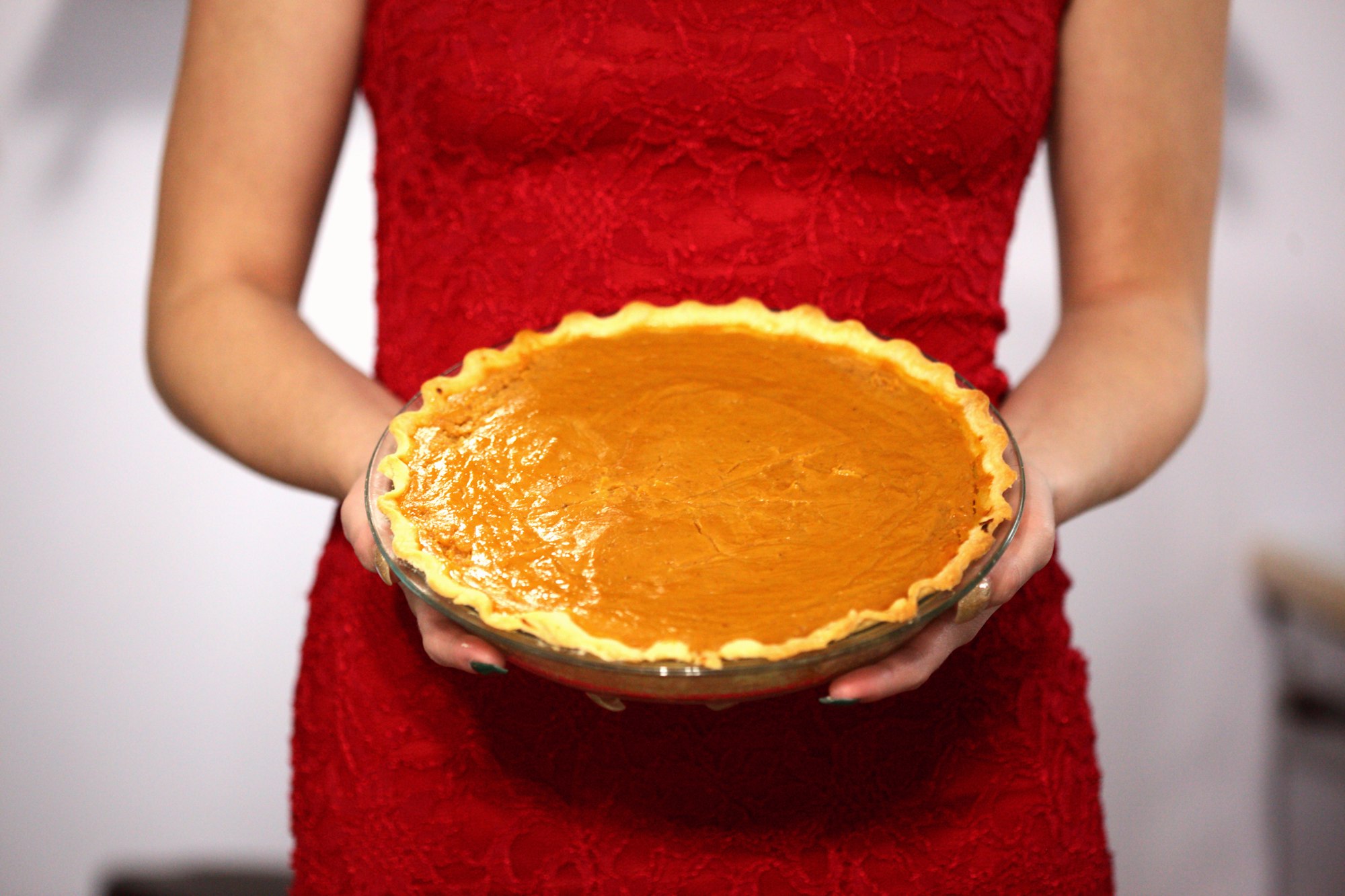
Split the cooking across days. Pies, casseroles, and cranberry sauce can all be made ahead. Less time over a hot stove on the day itself means fewer triggers when you're already running warm.
Eat like it's a normal day. Skipping breakfast to "save room" leaves you running on caffeine and adrenaline, which is a lousy combination for mood and for hot flashes. Have a real breakfast with some protein, and a light lunch if the big meal is late.
Build in ten quiet minutes. Step outside, take a short walk around the block, or sit in the car with the radio on. If you're in Southlake, a stroll after dinner while the Cowboys game is still going is a time-honored local tradition anyway.
Protect the following night. The day after a big holiday is when exhaustion hits. Don't schedule a 7 a.m. shopping run if your sleep was rough. Black Friday deals will still be there at 10.
None of this is complicated. The point is to cut down the number of times your body gets pushed past its narrowed comfort zone in a single day, whether that push comes from heat, stress, alcohol, or lack of sleep.
When It's More Than a Hard Week
Sometimes the holidays don't create the problem. They just reveal it. If you've been brushing off hot flashes, broken sleep, short temper, or low mood for months, and the season makes them impossible to ignore, that's worth a real evaluation instead of another year of coping.
A few signs tell me it's time to come in. Hot flashes or night sweats that wake you most nights or interfere with your work. Mood changes that feel out of character, especially irritability or anxiety that seems to come out of nowhere. Cycles that have become unpredictable, very heavy, or close together. Or simply the sense that you don't feel like yourself and haven't for a while. Any new or unusual bleeding, and certainly any bleeding after menopause, should be checked promptly no matter what time of year it is.
When women see me for this, we start with a full history and a careful look at labs, because thyroid problems, iron deficiency, sleep apnea, and medication side effects can all mimic or worsen menopausal symptoms. If you've been told your labs are "normal" but you still feel off, our guide to women's hormone imbalance when labs look normal explains why that happens and what we look for instead.
From there, we talk through the options that fit your situation. For many women, hormone therapy is a reasonable and effective choice. For others, because of personal or family history, it isn't, and there are non-hormonal approaches worth considering. Either way, the decision should be individual and based on your risks and goals, not on a one-size-fits-all rule. You can read more about how we approach this on our women's hormone replacement therapy page.
You Don't Have to Earn a Good Holiday
Here's what I'd like you to take into this week. The tiredness you feel isn't a character flaw, and the hot flash at the stove isn't something you have to grit your teeth through. Cool the kitchen, share the work, keep an eye on the wine, guard your sleep, and give yourself permission to do a little less than last year. Your guests will remember the company far more than whether the gravy was homemade.
And if this season makes it clear that your symptoms have been running the show for too long, start that conversation in January. At Magnolia Functional Wellness in Southlake, it's one of the most common things we help women sort out, and it's a lot easier to address once you know what's driving it. You deserve to enjoy the table you worked so hard to set.
This article is for general education and isn't a substitute for medical advice. Decisions about hormone therapy should be made with your own clinician.
Your Questions Answered
Led by trained medical professionals delivering safe, effective, and scientifically backed aesthetic and wellness treatments.
Why do I get hot flashes while I'm cooking or hosting?
During the menopause transition, the brain's comfortable temperature range gets narrower, so small rises in core body temperature can set off a hot flash. A hot oven, rushing around, a warm sweater, and stress all push that temperature up at once. Layers, a fan in the kitchen, cold water, and handing off the oven jobs can make a real difference, and at Magnolia Functional Wellness in Southlake we help women figure out when it's time to treat the symptoms directly.
Does drinking wine make hot flashes and night sweats worse?
For many women it does. Alcohol widens blood vessels and breaks up sleep in the second half of the night, so a glass of wine in the evening can mean flushing and a 3 a.m. wake-up. I'd suggest deciding your limit ahead of time, drinking earlier rather than right before bed, and alternating with water. If you notice a pattern, trust it.
Can stress make menopause symptoms last longer?
It may. In the long-running SWAN study, women who reported more stress, anxiety, or depressive symptoms when their hot flashes began tended to have them for more years. That's an association, not proof, and it doesn't mean your symptoms are your fault. It's a good reason to take stress and sleep seriously as part of treatment, which is how we approach it at Magnolia Functional Wellness in Southlake.
What's the connection between hot flashes and cortisol?
Hot flashes and night sweats aren't only an estrogen issue. Research shows that women with severe vasomotor symptoms often have altered cortisol awakening responses, suggesting the same neuroendocrine machinery driving the flashes is also disrupting your morning cortisol pulse. That's why fixing sleep and circadian rhythm is part of treating hot flashes, not just hormone replacement alone.
Why do I wake up at 3 a.m. even when I'm not having a hot flash?
Because hot flashes are only part of the story. Progesterone's metabolite acts on the same receptor system that keeps your brain quiet at night, and in perimenopause progesterone often falls first and falls hardest. Add rising evening cortisol from months of broken sleep and you get that wide awake, racing mind feeling at two or three in the morning with no sweating at all. It's a real physiological pattern, not you being difficult.
Need More Information?
Our team is ready to answer your specific questions and concerns.