
PRP for Hair Loss: What the Research Actually Shows
PRP hair restoration works by delivering concentrated growth factors directly to miniaturized hair follicles, stimulating them back into active growth -- and the clinical evidence shows 20 to 40% improvements in hair density after a standard series, with results comparable to or better than minoxidil in multiple studies. Dr. Farhan Abdullah explains the biology behind follicle loss and PRP's mechanism, what a treatment series at Magnolia Functional Wellness looks like, and who gets the best results based on their stage of loss. If you're considering PRP for hair restoration, this article gives you the real picture before you commit.


Hair loss is one of those things that's easy to dismiss as cosmetic until it's happening to you. Then it's not cosmetic at all -- it affects how you look in the mirror every morning, how you feel in photos, and for a lot of people, their confidence in ways that are hard to articulate without sounding vain. You don't sound vain. It matters.
Platelet-rich plasma for hair restoration has been generating real interest over the past decade, and for good reason. The evidence is solid enough that I offer it as part of our PRP hair restoration program in Southlake. But I want to be specific about what the research actually shows, who it works best for, and what realistic expectations look like -- because there's a fair amount of overselling in this space that doesn't help anyone.
Why Hair Follicles Stop Producing
To understand why PRP helps, you need a basic picture of why hair loss happens in the first place. Androgenetic alopecia -- pattern hair loss, the most common type in both men and women -- is driven primarily by dihydrotestosterone (DHT), a potent androgen that binds to receptors in genetically susceptible hair follicles and gradually miniaturizes them. The follicles don't die, at least not initially -- they shrink. Hair grows in thinner, shorter, and more slowly until eventually the follicle goes dormant.
This matters because dormant follicles can still be reactivated. There's a window -- and the earlier you act in that window, the better your results. Advanced follicular miniaturization that's been going on for decades is harder to reverse than early-to-moderate loss that's progressed over a few years.
How PRP Acts on Hair Follicles
The growth factors in platelet-rich plasma -- particularly PDGF, IGF-1, VEGF, and EGF -- have direct effects on hair follicle biology. They stimulate dermal papilla cells, which are the specialized cells that regulate the hair growth cycle. They promote angiogenesis (new blood vessel formation) around follicles, improving their nutrient supply. They shift follicles from the telogen (resting) phase back into the anagen (active growth) phase.
The net effect is that miniaturized follicles start producing thicker, longer hairs, and the overall density of actively growing hairs increases. This isn't regrowing hair from completely dead follicles -- it's rescuing compromised follicles that still have viable biology.
What the Clinical Studies Show
The evidence base for PRP in androgenetic alopecia has grown meaningfully over the past 10 years. A systematic review and meta-analysis published in Dermatologic Surgery analyzed data from multiple randomized controlled trials and found significant improvements in hair density and thickness with PRP compared to placebo injections. Most studies show a 20 to 40% increase in hair count in the treated area after a standard series.
A well-designed comparative study found PRP produced results comparable to minoxidil (Rogaine) -- and in some parameters, superior. For patients who can't tolerate minoxidil or don't want to commit to a daily topical regimen indefinitely, PRP offers a compelling alternative.
The results are more consistent for androgenetic alopecia than for other hair loss types. Alopecia areata (the autoimmune type) has some supporting evidence but the results are more variable. Traction alopecia from chronic tension on hair depends heavily on whether the follicle is structurally intact. We'll have a frank conversation about your specific diagnosis before recommending a protocol.
What a Treatment Series Looks Like at Magnolia
Our PRP hair restoration treatments in Southlake follow the evidence-based protocol: three initial sessions spaced 4 to 6 weeks apart, followed by maintenance treatments every 4 to 6 months. Each session takes about 60 to 75 minutes from blood draw to completion.
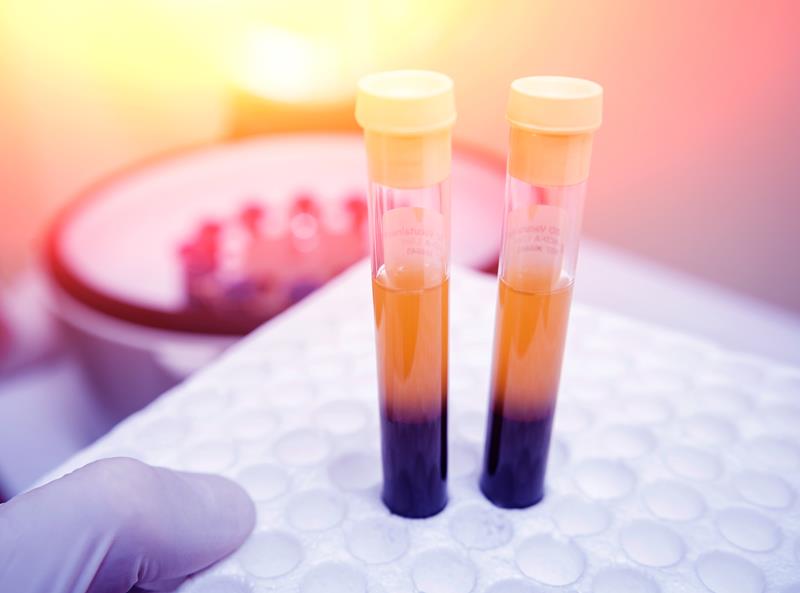
We draw blood, spin it in our centrifuge to concentrate the platelets, and inject the PRP directly into the scalp at the follicle level using a series of small injections. A topical numbing cream is applied beforehand to minimize discomfort. Most patients describe it as tolerable -- some mild pressure and stinging, not severe pain.
There's no downtime. Some people have mild redness or tenderness at the injection sites for a day or two. You can wash your hair normally after 24 hours.
When Will You See Results?
This is where I have to be honest about patience. PRP doesn't produce overnight results. The hair growth cycle operates on a timeline of months, not weeks. Most patients start noticing reduced shedding within 4 to 6 weeks of their first treatment -- which is actually an important early signal that the follicles are responding. Visible new growth and improved density typically become apparent at 3 to 6 months after completing the initial series.
Photos taken before starting treatment are genuinely useful here. Hair changes slowly enough that it's hard to perceive without a reference point. I encourage patients to take baseline photos under consistent lighting so we can accurately assess response at the 6-month mark.
Combining PRP with Other Treatments
PRP works well in combination. For men, adding finasteride (which blocks DHT conversion) or minoxidil to a PRP protocol typically produces better outcomes than either alone. For women, addressing hormonal contributors -- particularly during perimenopause when estrogen loss accelerates hair thinning -- often makes PRP more effective. If you're also considering our women's hormone therapy program, the combination is worth discussing.
We also offer exosome treatments as an upgrade to standard PRP for hair restoration. The evidence is newer but promising, with some studies showing superior results to PRP alone for follicle reactivation. We'll cover that in a dedicated article.
Who Gets the Best Results
Earlier stage hair loss, younger patients, and those who've been losing hair for fewer years tend to respond best. If you're in the Norwood 1-3 range (men) or early-stage diffuse thinning (women), you're a strong candidate. Advanced loss with large areas of complete follicular absence is a different picture -- there's not much to reactivate when follicles are gone.
The honest conversation I have with every patient considering PRP hair restoration is this: we can slow progression, improve density, and in many cases meaningfully reverse early loss. We can't regrow a full head of hair from a completely bald scalp. Knowing which situation you're in before spending money is important, and that's exactly what the consultation is for.
Your Questions Answered
Led by trained medical professionals delivering safe, effective, and scientifically backed aesthetic and wellness treatments.
Can PRP regrow hair I've already lost?
PRP can revive dormant follicles that are still biologically viable — follicles in the miniaturization process that have reduced their output but haven't been permanently lost. Follicles that have been completely gone for years, where the follicular unit is no longer present, cannot be regenerated by any currently available non-surgical intervention. The assessment of which follicles are still viable in your case is part of the consultation evaluation.
How much does PRP hair restoration cost?
Session pricing is available at the front desk. We offer package pricing for the initial three-session series. We don't bill insurance for cosmetic and aesthetic procedures. HSA and FSA cards are accepted.
How is Keralase different from PRP for hair?
Both deliver growth factors to follicles — they differ in source and delivery mechanism. PRP uses autologous growth factors concentrated from your own blood, injected directly into the scalp. Keralase uses a standardized pharmaceutical-grade peptide growth factor complex (KeraFactor) delivered transcutaneously via laser microchannels. PRP has a longer evidence base for androgenetic alopecia; Keralase has standardized and reproducible formulation. They're complementary rather than competing — Dr. Abdullah uses both in comprehensive protocols.
Need More Information?
Our team is ready to answer your specific questions and concerns.