Red Light Therapy: Separating the Science from the TikTok Hype
Red light therapy has real science behind it -- the mitochondrial mechanism is well-established, and evidence for wound healing, skin health, muscle recovery, and joint pain is reasonably solid. But consumer devices flooding TikTok Shop often deliver a fraction of the therapeutic irradiance needed to produce actual results, and claims about hormones, fat loss, and brain rewiring run far ahead of the data. Dr. Farhan Abdullah explains exactly what red light therapy does at the cellular level, which applications are evidence-supported, and why clinical-grade equipment at Magnolia Functional Wellness in Southlake is a fundamentally different experience than a $40 LED mask.
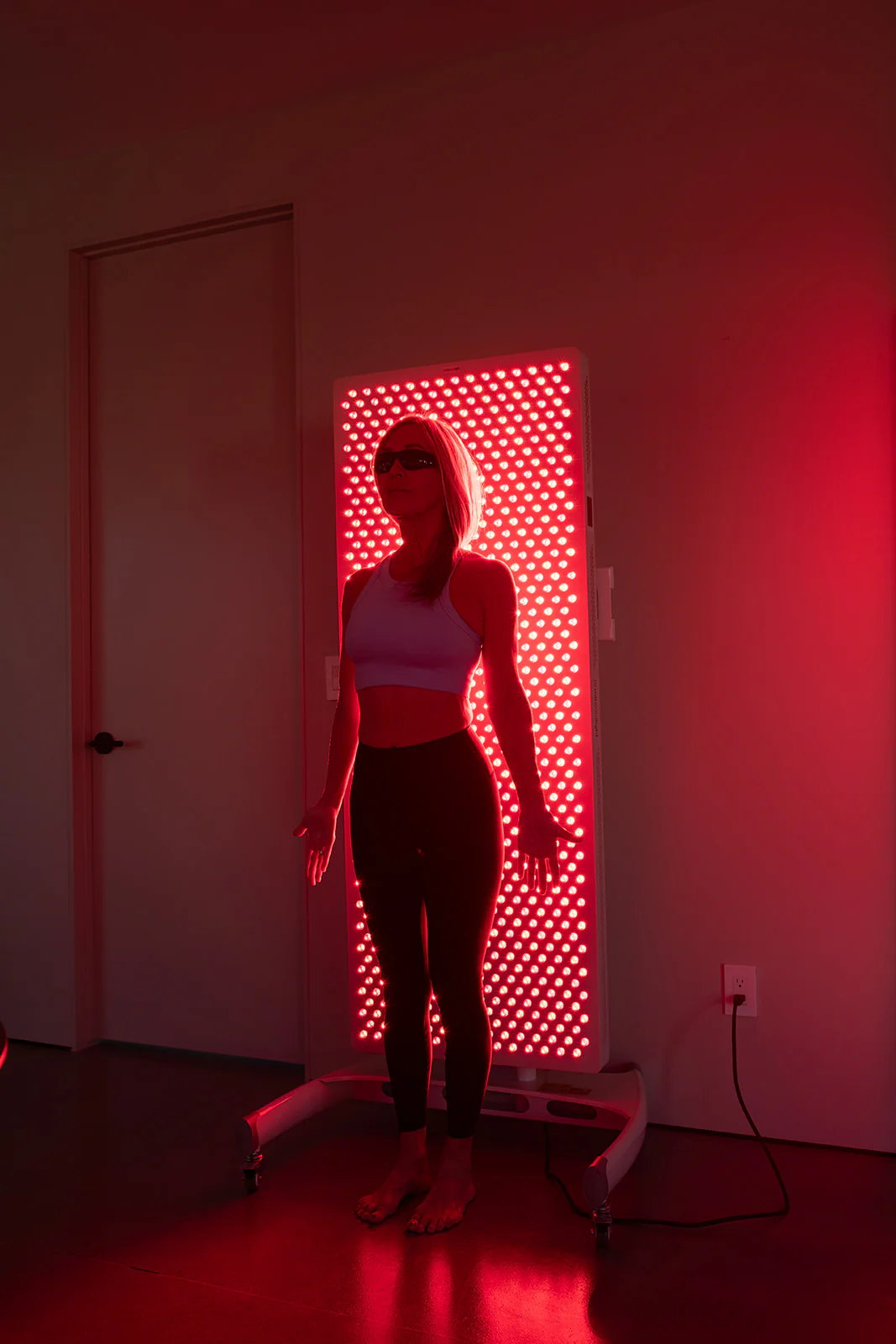


Red light therapy has had quite a glow-up on social media. Between the LED face masks, the full-body panels, the biohacking influencers, and TikTok Shop doing brisk business in $40 devices that claim to do everything from reverse wrinkles to fix your thyroid, it's genuinely hard to know what's real. Some of it is. Some of it isn't. And the difference between a device that works and one that's essentially a red-tinted space heater comes down to specifics that most people selling these things never bother to explain.
I'm Dr. Farhan Abdullah at Magnolia Functional Wellness in Southlake, and we offer clinical red light therapy as part of our wellness and recovery protocols. Let me tell you what the actual science says and where the honest limitations are.
The Basic Mechanism: This Part Is Real
Red light therapy -- also called photobiomodulation or low-level laser therapy -- uses specific wavelengths of red and near-infrared light to interact with cells. The key word is specific. We're talking about wavelengths in the 630 to 850 nanometer range, not just anything that glows red.
Within that range, light photons are absorbed by cytochrome c oxidase, a protein in the mitochondrial electron transport chain. When cytochrome c oxidase absorbs these specific wavelengths, it increases mitochondrial activity -- more ATP production, more cellular energy output. This also triggers downstream effects: reduced oxidative stress, increased nitric oxide release, modulation of inflammatory cytokines, and stimulation of various cellular repair processes.
This mechanism is not controversial. It's been replicated in cell and tissue studies many times. The mitochondrial response to specific wavelengths of red and near-infrared light is real biology, not marketing language. Where it gets complicated is translating that cellular mechanism into clinically meaningful outcomes in whole humans -- and that translation varies significantly depending on what you're trying to treat.
What the Evidence Actually Supports
Wound Healing and Tissue Repair
This is the most robustly supported application and it's where red light therapy has the longest clinical history. Multiple systematic reviews and meta-analyses support accelerated wound healing, reduced inflammation in soft tissue injuries, and faster recovery from musculoskeletal injuries. The FDA has cleared red light devices specifically for wound healing and pain relief. This isn't fringe medicine -- it's fairly well-established in physical therapy and sports medicine.
Skin Health
The dermatology literature is reasonably solid here too. Red and near-infrared light stimulates fibroblast activity, which drives collagen production. Multiple well-designed trials have shown improvements in fine lines, skin texture, and photoaging with consistent use. This is why medical-grade LED panels are used in clinical dermatology, not just in influencer content. The caveat is that device quality matters enormously -- more on that below.
Muscle Recovery and Athletic Performance
Pre-workout red light therapy has shown benefits in several trials -- reduced delayed onset muscle soreness, improved endurance, faster recovery between training sessions. The proposed mechanism is mitochondrial priming: stimulating cellular energy systems before they're taxed produces more efficient performance and recovery. The evidence here is promising but not as consistent as the wound healing literature, and optimal protocols are still being worked out.
Joint Pain and Arthritis
Several trials in osteoarthritis and rheumatoid arthritis have shown meaningful pain reduction and improved function with red light therapy. The anti-inflammatory effects appear to be real at the tissue level. This is one of the applications I find most clinically interesting because it's a non-pharmaceutical option with a reasonable evidence base for a condition that's extremely common.
What the Evidence Doesn't Support (Yet)
Thyroid optimization, testosterone production, brain rewiring, fat loss, immune system overhaul. The claims in these areas run far ahead of the actual data. There's preliminary research on some of these, and the mechanistic arguments aren't always implausible, but we're talking early-stage science being presented as established fact. Don't buy a $200 device based on a TikTok claiming it'll fix your hormones.
The Device Quality Problem
This is the part that matters most for anyone considering buying a home device, and it's almost never discussed honestly.
Effective red light therapy requires adequate irradiance -- the amount of light energy delivered per unit area per unit time, measured in mW/cm². The devices in the published clinical literature typically deliver 20 to 100 mW/cm² at the treatment distance. Many consumer devices on Amazon and TikTok Shop deliver a fraction of that. They emit light in the right color range, they light up nicely for photos, and they produce essentially no therapeutic effect at the doses actually used.
Wavelength specificity also matters. 630nm, 660nm, 810nm, 830nm, and 850nm have the most research support. Devices that use "red LEDs" without specifying wavelength are likely not hitting the therapeutic windows consistently.
Clinical-grade equipment is calibrated, verified, and operated at known parameters. The red light therapy we offer at Magnolia Functional Wellness uses medical-grade panels with verified irradiance and appropriate wavelengths -- not a consumer device. The difference isn't cosmetic. It's the difference between a therapeutic dose and a placebo with good marketing.
Practical Protocol Basics
If you're using a clinically appropriate device, typical protocols involve 10 to 20 minute sessions, 3 to 5 times per week, at a distance of 6 to 12 inches from the panel. Consistency matters more than any individual session. Results in skin applications typically become visible at 8 to 12 weeks of consistent use. For pain and inflammation, some people notice effects much faster -- within a few sessions.
Red light therapy pairs well with other recovery and longevity modalities. Combined with our longevity medicine program or as an adjunct to orthobiologic treatments for joint and tissue issues, it fits logically into a broader protocol rather than standing alone.
The Honest Bottom Line
Red light therapy is a legitimate therapeutic modality with real science behind specific applications -- wound healing, skin health, muscle recovery, and joint pain in particular. It's not magic and it doesn't do everything people claim on social media. Device quality is the biggest variable between getting results and wasting money. And like most things in medicine, consistency and appropriate dosing determine outcomes far more than any single session. If you're curious whether it makes sense for your specific goals, it's worth a conversation with someone who actually understands the evidence.
Your Questions Answered
Led by trained medical professionals delivering safe, effective, and scientifically backed aesthetic and wellness treatments.
What does red light therapy actually feel like?
Most patients describe a gentle warmth during the session, with the near-infrared wavelengths producing more noticeable warmth than the red wavelengths. Some wavelengths are essentially imperceptible at skin level. It's comfortable, non-painful, and relaxing — most patients find themselves wanting to fall asleep during sessions, which is entirely fine.
Does Red Light Therapy Use UV light?
No. Celluma uses pure, non-thermal light energy. It contains zero UV rays, so it will not tan or burn you. It is safe for all skin tones and types.
Is red light therapy safe? Are there risks?
The safety profile of photobiomodulation in the clinical literature is excellent. The main precautions are: avoiding treatment over active tumor sites, considering photosensitizing medications before treatment, and using appropriate eye protection. It produces no UV exposure, no ionizing radiation, and no thermal injury at appropriate treatment distances and durations. Dr. Abdullah reviews your health history before beginning treatment to identify any relevant clinical considerations.
Need More Information?
Our team is ready to answer your specific questions and concerns.