
Can I Still Have Kids on TRT? (The Truth About Fertility Protocols)
"Will TRT make me sterile?" It’s the biggest fear for young men. The answer is nuanced: TRT does suppress sperm production, but with the right protocol, it’s not permanent. In this article, I explain how we use HCG (Human Chorionic Gonadotropin) at Magnolia Functional Wellness to keep the testicles working while you are on therapy. I also discuss alternatives like Enclomiphene for men actively trying to conceive, ensuring you can optimize your hormones without sacrificing your family plans.
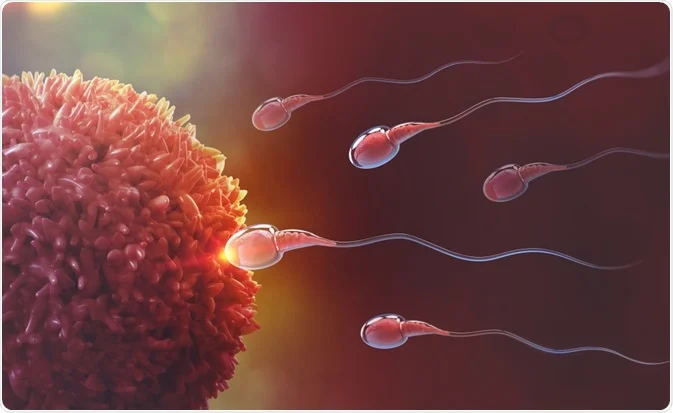


This is the "Elephant in the Room" during many of my consultations at Magnolia Functional Wellness.
I’ll have a guy in his early 30s sitting across from me. He has all the symptoms of Low T—exhaustion, brain fog, belly fat. He needs treatment. He wants to feel better. But then he pauses, looks at his wife, and asks the big question:
"Doc... if I start this, does it mean we can't have kids?"
It is the most valid concern a young man can have. If you go onto the internet forums, you will see people calling TRT "male birth control." You will hear horror stories about guys becoming permanently sterile.
As an Internal Medicine Physician with specialized training from the Hormonal Health Institute, I need to give you the nuanced, medical truth. Yes, Testosterone Therapy suppresses fertility. But no, it does not have to be a death sentence for your future family.
If you do this correctly—with the right protocols and the right medications—you can often have your cake and eat it too. You can be optimized and fertile.
The Mechanism: Why TRT Stops the "Factory"
To understand fertility, you have to understand the HPTA Axis (Hypothalamus-Pituitary-Gonadal Axis).
Here is the simple version:
- The Brain (Pituitary): Sends two signals to the testicles. LH (Luteinizing Hormone) says "Make Testosterone." FSH (Follicle Stimulating Hormone) says "Make Sperm."
- The Testicles: Receive the signal and get to work.
When you start taking exogenous testosterone (injections or creams), your brain is smart. It sees that your testosterone levels are high. It thinks, "Oh, great! We have plenty of testosterone. I don't need to send the signal anymore."
So, the brain stops sending LH and FSH. The signal cuts out. And because the testicles aren't getting the "work order," they go on vacation. They stop producing their own testosterone, and they stop producing sperm. This is why testicular atrophy (shrinkage) happens. The factory shuts down because there are no orders coming in.
Is It Permanent? For the vast majority of men, no. It is reversible. If you stop TRT, your brain will eventually realize levels are low and start sending the signal again. But this "restart" can take months, and it can be miserable.
We prefer a different approach. We prefer to keep the factory lights on while you are on therapy.
The Solution: HCG (Human Chorionic Gonadotropin)
This is the game-changer. HCG is a peptide hormone that acts as a mimic. It looks almost identical to LH (Luteinizing Hormone).
When you take HCG alongside your testosterone (usually as a tiny injection twice a week), it acts like a "backdoor" signal. Your brain might not be sending the order, but HCG goes directly to the testicles and says: "Hey! Keep working! Keep producing!"
This does two massive things:
- It Preserves Fertility: It keeps sperm production active (though often at a slightly lower volume than baseline).
- It Prevents Atrophy: It keeps the testicles full and functional physically.
For my patients at Magnolia who want to have kids in the future, HCG is almost always part of the protocol. It is the insurance policy.
The Alternative: Enclomiphene (Restarting the Engine)
Sometimes, HCG isn't enough, or a patient wants to be absolutely 100% safe regarding fertility.In those cases, we might avoid exogenous testosterone entirely and use a medication called Enclomiphene.
This is a pill. It works by tricking the brain into thinking your estrogen is low. The brain panics and screams at the testicles to work harder. It raises your natural testosterone and increases fertility at the same time.
Who is this for?
- Guys under 30.
- Couples who are actively trying to conceive right now.
- Men who want to avoid needles completely.
It doesn't always give the same symptom relief as TRT (the "Zest" factor is sometimes lower), but for fertility, it is a powerhouse.
The "Washout" Protocol
Let’s say you have been on TRT for five years without HCG, and now you decide you want a baby.Are you out of luck? Usually, no.
We do what we call a Fertility Protocol:
- We stop the testosterone (Yes, this part sucks for a few weeks).
- We blast the system with high-dose HCG and FSH therapies (like HMG) to wake the factory up.
- We use Enclomiphene to restart the brain’s signaling.
In my experience, and in the data, most men regain fertility within 3 to 6 months of this protocol.
The Magnolia Fertility Conversation
When you come to see us in Southlake, "Do you want kids?" is one of the first questions I ask.
We tailor the plan to the answer:
- "No, I’m done, I had a vasectomy." Great. We just use straight Testosterone. Simple.
- "Maybe in 5 years." We use Testosterone + HCG to keep the lights on.
- "We are trying tonight." We might use Enclomiphene or HCG monotherapy until she is pregnant, then switch you to TRT.
A Warning: TRT is NOT Birth Control
I have to add this because, ironically, I have seen accidental pregnancies happen on TRT.Just because your sperm count is low doesn't mean it is zero. "Low sperm count" makes it harder to get pregnant, but it only takes one swimmer to welcome a new bundle of joy in 9 months.
Do not use Testosterone as a contraceptive. If you don't want kids, use protection. If you do want kids, use a protocol.
The Bottom Line
You don't have to choose between being a great, energetic father and becoming a father. You can have the energy to run around with your kids and the fertility to create them.
It just requires more than a cookie-cutter prescription. It requires a doctor who understands the entire hormonal axis.
Your Questions Answered
Led by trained medical professionals delivering safe, effective, and scientifically backed aesthetic and wellness treatments.
Are there any side effects or risks with Hormone Replacement Injections?
Hormone therapy comes with real side effects, and we'd rather you hear them from us than find out later. Injection-specific problems include soreness, bruising, or swelling at the site, and less commonly bleeding or infection. Hormone-related effects can include acne, fluid retention, mood changes, hair changes, and in men a rise in red blood cell count along with suppression of natural production and fertility. Some patients also notice symptoms fluctuating between doses, which we manage by adjusting the amount or the interval. Dr. Abdullah reviews your labs, your monitoring plan, and the risks before and during treatment.
What should I expect during Hormone Replacement Injections treatment?
During your hormone replacement injections consultation and treatment at Magnolia Functional Wellness, you can expect a thorough assessment, personalized treatment plan, and physician-supervised care in a calm, clinical environment. Our team will guide you through each step and ensure you're comfortable throughout the process. Treatment duration and frequency will be discussed during your initial consultation based on your specific needs and goals.
Need More Information?
Our team is ready to answer your specific questions and concerns.