Yard Work Injuries: When to See Us Instead of Toughing It Out
Elbow, shoulder, and back pain after a big yard day is one of the most common complaints Dr. Abdullah sees at Magnolia Functional Wellness in Southlake. This article breaks down the yard work injuries that heal on their own, the ones that quietly become chronic tendinopathy, and how SoftWave shockwave therapy helps restart your body's stalled healing process without cortisone or surgery.


By Dr. Farhan Abdullah, DO | Medical Director, Magnolia Functional Wellness | Southlake, TX
Every year around this time, my schedule fills up with the same story. Someone spent a Saturday wrestling with the yard, mowing, edging, hauling bags of mulch, trimming branches that were just a little too high. By Sunday evening their elbow is throbbing, their shoulder won't lift past ninety degrees, or their lower back has staged a full revolt. And almost every one of them says the same thing: "I figured it would go away on its own."
Sometimes it does. But I've been practicing internal medicine long enough to know that "toughing it out" is how a two-week annoyance becomes a two-year problem. At Magnolia Functional Wellness here in Southlake, a big part of what we do is help people heal these exact injuries without cortisone shots, without months of pills, and without surgery. So let's talk about what yard work actually does to your body, which injuries deserve real attention, and why SoftWave therapy has become my go-to tool for the stubborn ones.
Why Yard Work Injures So Many People
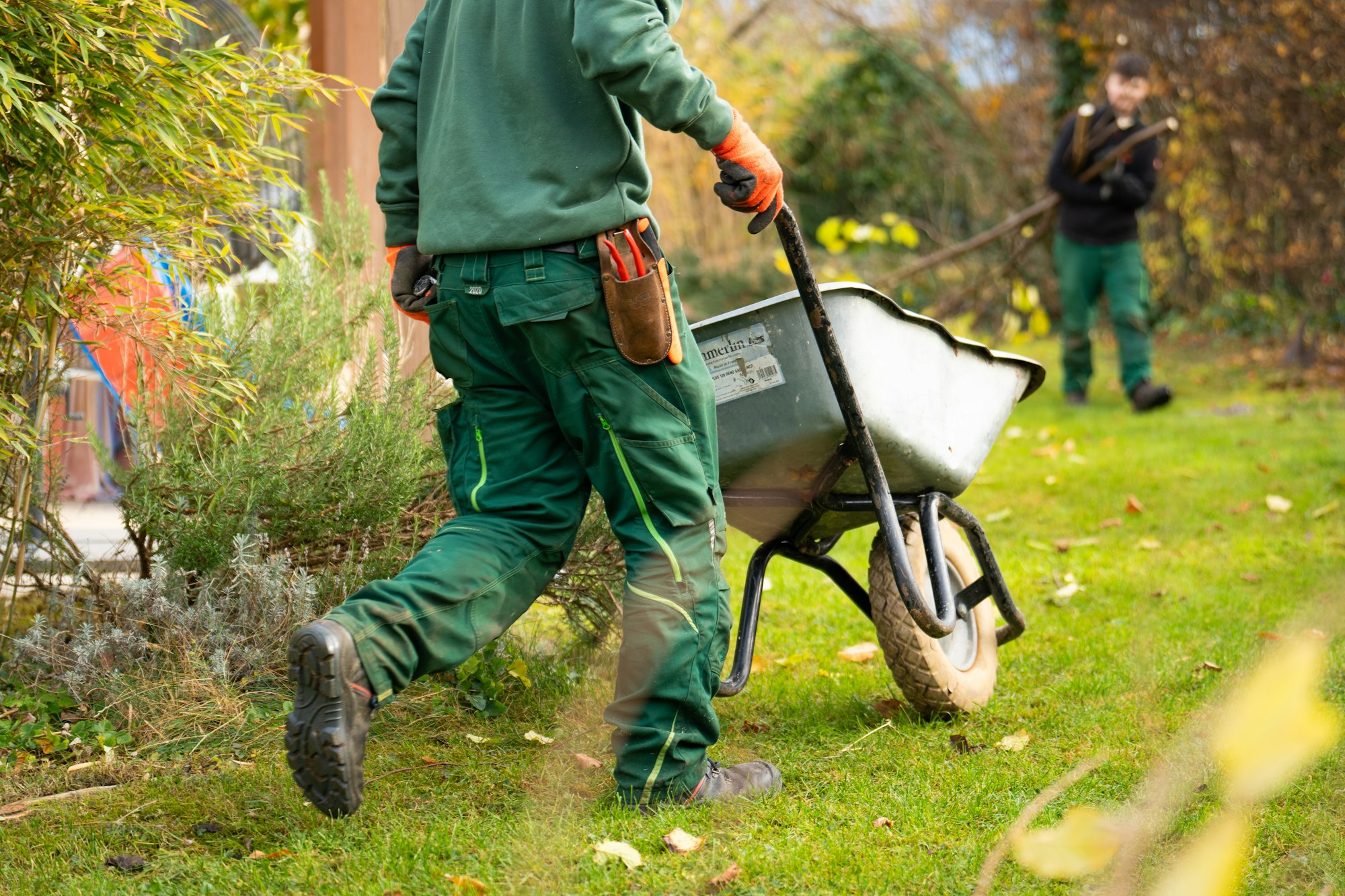
Here's the thing about yard work that most people don't appreciate: it's a workout you never trained for. Think about what a typical Texas yard day involves. Repetitive gripping and twisting with hedge trimmers. Overhead reaching with loppers. Hundreds of pulls on a mower cord that refuses to start. Squatting, kneeling, lifting wet bags of soil that weigh more than your carry-on luggage. Now add our heat, which dehydrates tissue and fatigues muscles faster than most people realize.
If you did any one of those motions at the gym, you'd warm up first. You'd pace yourself. You'd stop when your form broke down. In the yard? Most of us just push through until the job's done, because who wants to mow half a lawn?
The result is a predictable set of injuries I see over and over in my Southlake clinic:
- Tennis elbow (lateral epicondylitis) from gripping, raking, and trimming. You don't need to play tennis. You need a hedge trimmer and three hours of ambition.
- Rotator cuff strains and tendinopathy from overhead pruning, throwing branches, and hauling.
- Lower back strain from lifting bags, pushing mowers uphill, and bending over flower beds for hours.
- Knee pain from kneeling on hard ground and repetitive squatting.
- Plantar fasciitis flare-ups from a full day on your feet in unsupportive shoes.
One of my patients put it perfectly: "I didn't get hurt doing anything impressive. I got hurt doing chores." That's most musculoskeletal injury in a nutshell. It's rarely dramatic. It's cumulative.
The Problem with Toughing It Out
Let me be clear about something first. Plenty of minor aches genuinely do resolve on their own. Sore muscles after a big yard day are normal and usually fade within 48 to 72 hours. That's just delayed onset muscle soreness, and it needs nothing more than time, hydration, and maybe some stretching.
Tendon injuries are a different animal. When you overload a tendon, whether it's the one on the outside of your elbow or the group that makes up your rotator cuff, the damage isn't primarily inflammation. It's degeneration. The collagen fibers become disorganized, the tissue weakens, and blood supply to the area, which was never great to begin with, gets worse. Tendons are notoriously slow healers precisely because they don't get much blood flow.
So what happens when you keep mowing, keep gripping, keep lifting on a tendon that's already breaking down? You outpace your body's ability to repair it. The pain that should've lasted two weeks settles in for months. At that point you've crossed from an acute injury into chronic tendinopathy, and chronic tendinopathy doesn't respond well to rest alone. I've had patients come in after eight months of waiting for an elbow to heal itself. It never got the memo.
The other trap is the cortisone shortcut. Steroid injections can quiet pain impressively for a few weeks, and there's a place for them. But cortisone doesn't heal anything. It suppresses the local response, and repeated injections can actually weaken tendon tissue over time. What I tell my patients is simple: if a treatment only silences the alarm without fixing the fire, you shouldn't be surprised when the alarm comes back louder.
How SoftWave Helps Your Body Actually Heal
This is where SoftWave therapy earns its spot in my practice. SoftWave is a form of extracorporeal shockwave therapy that delivers broad, unfocused acoustic waves into injured tissue. No needles, no incisions, no anesthesia. A typical session takes about fifteen minutes.
Those acoustic waves do something rest and cortisone can't. They create controlled mechanical stress at the cellular level, which your body reads as a signal to start repairing. The research on shockwave therapy points to several mechanisms: increased local blood flow, formation of new microvessels, release of growth factors, and recruitment and activation of the body's own stem cells in the treated area. In effect, we're waking up a stalled healing process in tissue that gave up trying.
Remember what I said about tendons having poor blood supply? That's exactly why this approach makes sense for yard work injuries. Tennis elbow, rotator cuff tendinopathy, plantar fasciitis, they're all conditions where the tissue is stuck in a degenerative rut. Shockwave therapy addresses the underlying biology instead of masking the symptom.
At Magnolia, we use SoftWave shockwave therapy as a standalone treatment and, for tougher cases, alongside regenerative options like PRP injections, which concentrate your own platelets and growth factors right where the damage is. The two approaches complement each other nicely: one stimulates the healing environment, the other supplies the raw materials.
What the Research Actually Shows
I know "sound waves that heal tendons" can sound like wellness marketing, so let's look at the evidence, because it's real and it's grown substantially.
For tennis elbow, a 2022 randomized controlled trial published in the Journal of Functional Morphology and Kinesiology by Aldajah and colleagues compared shockwave therapy against conventional physiotherapy in 40 patients with lateral epicondylitis. Both groups improved, but the shockwave group saw significantly greater reductions in pain and bigger gains in grip strength and arm function after just five sessions. Grip strength matters here. It's the difference between opening a jar comfortably and wincing every time you shake someone's hand.
For shoulders, a 2024 systematic review and meta-analysis in BMC Musculoskeletal Disorders by Xue and colleagues pooled the available trials on shockwave therapy for rotator cuff tendinopathy and found meaningful improvements in shoulder pain and function, in both calcific and non-calcific disease. That's encouraging, because rotator cuff problems are among the most common reasons older adults give up activities they love.
And zooming out, a 2024 meta-analysis in BMC Sports Science, Medicine and Rehabilitation by Majidi and colleagues reviewed 45 randomized controlled trials across multiple types of tendinopathy and concluded that shockwave therapy significantly reduced pain compared with control treatments. Forty-five trials is not a fringe evidence base. It's a body of literature that keeps pointing the same direction.
Is shockwave a miracle for every ache? No, and I won't pretend otherwise. Response varies, and some conditions respond better than others. But for the chronic tendon and fascia problems that yard work loves to create, the evidence supports it as a legitimate, non-invasive option with essentially no downtime.
When to Come In (and When It's Fine to Wait)
So how do you know whether your post-yard-work pain is a "give it a week" situation or a "get this looked at" situation? Here's the framework I give my own patients.
It's usually fine to wait if the soreness is diffuse and muscular, showed up within a day of the activity, improves steadily each day, and doesn't limit your normal movement. Classic muscle soreness peaks around day two and fades. Hydrate, move gently, and give it time.
Come see us if any of these apply:
- Pain that's sharp, localized to one spot (like the bony bump on the outside of your elbow), or worse with specific motions like gripping or reaching overhead
- Pain that hasn't meaningfully improved after two weeks of relative rest
- Weakness, like a weaker grip or trouble lifting your arm, not just soreness
- Pain that wakes you up at night or hurts at rest, especially in the shoulder
- Numbness or tingling radiating down an arm or leg
- A pattern of the same pain returning every time you do yard work
That last one matters more than people think. If your elbow flares every single time you mow, that's not bad luck. That's a tendon telling you it never fully healed, and each round of yard work is re-injuring it. Waiting longer isn't a strategy at that point. It's just postponing the fix, and the longer a tendinopathy sits, the more sessions it typically takes to turn around.
And if you do come in, here's what that looks like. We start with a real exam, not a thirty-second glance. I want to know which motion hurts, where the tenderness lives, and how the injury behaves through the day, because tennis elbow, radial tunnel irritation, and a cervical issue referring pain to the elbow can all masquerade as each other. Once we know what we're treating, we map out a plan. For most tendon problems that means a short series of SoftWave sessions, usually once weekly, with most people noticing a shift within the first three or four visits. You stay active during treatment. There's no downtime to schedule your life around.
One more practical note for my fellow North Texans: pace the work. Break the yard into zones and spread them across the weekend. Alternate which hand runs the trimmer. Lift bags with your legs, not your lumbar spine. And do the overhead pruning early, before your shoulders are fatigued. None of that is glamorous advice, but neither is six months of tennis elbow.
Your Yard Shouldn't Cost You a Season of Pain
I love that so many of my patients stay active with their homes and gardens. That kind of regular, purposeful movement is genuinely good medicine, and I'd never tell someone to stop. What I will tell you is to stop ignoring pain that's overstayed its welcome. Your body has remarkable healing machinery. Sometimes it just needs the right signal to switch back on, and that's exactly what regenerative tools like SoftWave are designed to do.
If your elbow, shoulder, back, or heel has been nagging you since your last big yard day, don't write it off as the price of a nice lawn. At Magnolia Functional Wellness in Southlake, we'll figure out what's actually injured, whether it's likely to heal on its own, and whether SoftWave or another regenerative option can get you back to pain-free weekends sooner. The mulch can wait a week. Your tendons shouldn't have to wait a year.
Your Questions Answered
Led by trained medical professionals delivering safe, effective, and scientifically backed aesthetic and wellness treatments.
Is SoftWave a better option than cortisone for tendon injuries?
For chronic tendon issues, I usually prefer SoftWave over repeat cortisone, and not because cortisone is useless. Cortisone reliably calms pain in the short term. The problem is that repeated steroid injections into a tendon can weaken the tissue over time, which is the opposite of what we want for someone planning to stay active for another 30 years. SoftWave works in the other direction. It encourages the body to remodel and rebuild the tissue instead of muting the pain signal. That said, cortisone still has a role for specific situations and short-term relief, and at Magnolia Functional Wellness we choose based on the patient and the injury, not on dogma.
How many SoftWave sessions do I need?
It varies by condition. Musculoskeletal applications — tendinopathy, joint pain — typically involve 6–8 sessions spaced weekly or twice-weekly. Erectile dysfunction protocols typically involve 6–12 sessions over several weeks, consistent with the protocols used in clinical trials. Some patients notice meaningful improvement after 3–4 sessions; the full regenerative response develops over the complete treatment series and continues to improve for several weeks after completion as angiogenesis and tissue remodeling progress. Dr. Abdullah designs the appropriate protocol for your specific condition and monitors your response throughout.
Does SoftWave hurt?
Most patients describe a pulsing, tingling, or mild pressure sensation during treatment — generally well-tolerated without anesthesia or numbing cream. SoftWave's low-intensity parameters and broad wave distribution mean energy is spread across a larger area rather than concentrated at a point, which tends to be more comfortable than focused shockwave devices. Some patients with significant tissue sensitivity notice mild soreness during treatment that resolves quickly.
Is SoftWave covered by insurance?
Shockwave therapy is not typically covered by commercial insurance for most indications, though coverage policies vary. Out-of-pocket pricing at Magnolia Functional Wellness is transparent — Dr. Abdullah discusses costs during your consultation. CareCredit or Cherry financing is available for patients who prefer to spread treatment costs across a series.
What's the difference between SoftWave and regular shockwave therapy?
Most clinics offering "shockwave therapy" use radial pressure wave devices — compressed air projectile systems that produce surface-dominant energy with limited depth penetration, typically 3–4cm. SoftWave uses patented electrohydraulic parallel wave technology that produces a broad, planar wave front penetrating therapeutic energy across a larger treatment area at greater depths than radial devices achieve. SoftWave also operates at low-intensity parameters specifically studied for angiogenesis stimulation and stem cell activation — the regenerative mechanisms most relevant for tissue repair and ED treatment. The device category, wave physics, and clinical mechanisms are genuinely different, not just a marketing distinction.
Need More Information?
Our team is ready to answer your specific questions and concerns.