Summer Sports Injuries: SoftWave for Weekend Warriors in DFW
Summer in DFW means more sports leagues, longer days, and a steady stream of weekend warriors with stubborn tendon pain. Dr. Farhan Abdullah breaks down how SoftWave shockwave therapy stimulates real tissue repair in injuries like plantar fasciitis, tennis elbow, and rotator cuff tendinopathy. It's a non-invasive, no-downtime option for active patients who refuse to slow down.
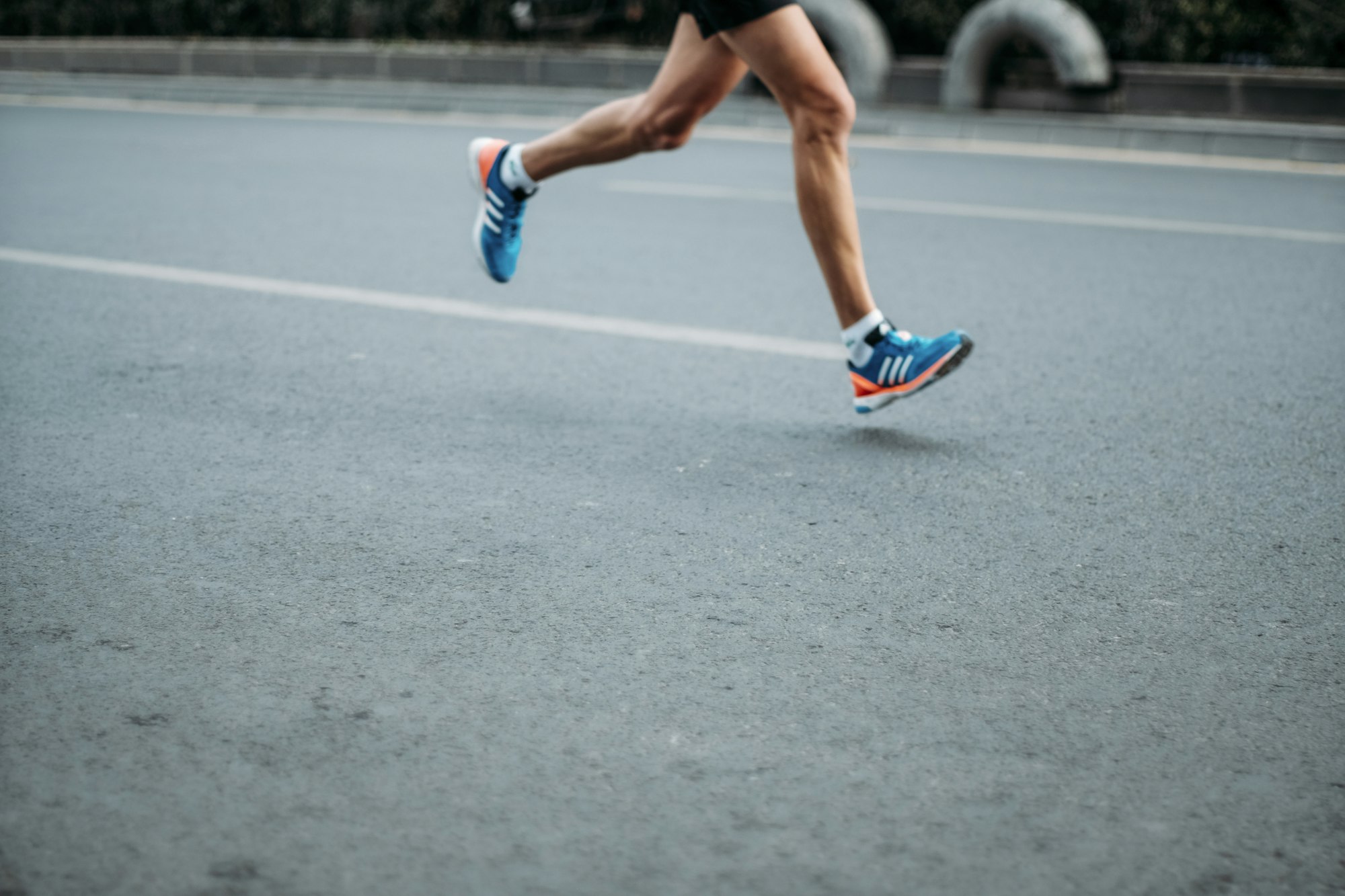


You played 90 minutes of pickup soccer Saturday morning, knocked out a 5K at Bob Jones Park in the afternoon, and somewhere between that last sprint and your son's baseball game Sunday, your knee started talking back. Loudly.
Welcome to weekend warrior season in DFW. It's the time of year when my schedule at Magnolia Functional Wellness in Southlake fills up with patients in their 30s, 40s, and 50s who don't think of themselves as athletes, but who play like they're still 22. They're plumbers, sales reps, surgeons, finance folks. They lift on Tuesday and Thursday, run on the weekends, play adult soccer leagues at Bicentennial, and chase their kids through Carroll ISD's endless tournament circuit.
I'm Dr. Farhan Abdullah, and I see this pattern every summer. Knees that flare up after one too many doubles matches. Plantar fascia that lights up on Monday morning. Shoulders that grunt during overhead lifts. Almost universally, my patients arrive after weeks (sometimes months) of trying the standard playbook: ice, NSAIDs, maybe a cortisone shot, and rest they don't actually take. That's where SoftWave shockwave therapy fits in. It's not a magic wand. But it's one of the few non-invasive tools we have that actually drives tissue repair rather than just muting the pain signal.
Why Summer Brings the Injuries (Even for People Who "Stay in Shape")
The classic weekend warrior pattern goes something like this: sedentary work week, big weekend output. Your tendons and joints adapt to the loads you give them most often. If 90% of your week is sitting, and 10% is one big push, the tissue doesn't have time to handle the stress. Summer cranks the dial up. Days are longer, sports leagues are running, kids are in camps, the golf cart is loaded, and pickup games happen on ground that's harder than it should be because, well, Texas in July.
The most common injuries I see between May and September:
- Patellar tendinitis ("jumper's knee") from basketball, volleyball, and any sport with cutting
- Plantar fasciitis from running and from increased barefoot time around the pool
- Achilles tendinopathy in runners and tennis players
- Rotator cuff tendinopathy from kayaking, swimming, and overhead racket sports
- Lateral epicondylitis ("tennis elbow") from tennis, pickleball (which is exploding in our area), and too many one-arm pulls in the gym
- IT band syndrome and proximal hamstring tendinopathy from long runs and trail miles
Most of these share a common biological feature. They're not pure inflammation, even though "itis" suggests they are. The newer term is "tendinopathy," because what we see on imaging and at the cellular level is degenerative tissue, disorganized collagen, and weak vascular supply. Cortisone calms the pain, but it doesn't fix the tissue. That's why so many patients are back in the same chair six weeks later asking what else they can try.
How SoftWave Shockwave Therapy Actually Works
SoftWave delivers unfocused acoustic waves into the injured tissue. The waves create mechanical microtrauma at the cellular level, which sounds bad until you understand what it does. It signals your body to send a fresh wave of healing factors to that exact spot. We're talking increased local blood flow, upregulation of growth factors like VEGF and BMP-2, and recruitment of resident stem cells. In simpler terms, we're tricking your body into treating an old, stalled-out injury like a brand new one, which is exactly what that tissue needs to rebuild.
What I tell my patients in Southlake is this: think of an old tendon injury as a poorly healed scab the body has stopped paying attention to. Shockwave puts that injury back on your body's to-do list.
The research has caught up with what we see in clinic. A 2024 systematic review in the British Journal of Sports Medicine by Rhim and colleagues looked at 56 studies covering 1,874 athletes and physically active individuals using extracorporeal shockwave therapy. Based on level I evidence, they concluded ESWT may be effective alone in plantar fasciitis, lateral epicondylitis, and proximal hamstring tendinopathy, and as a useful adjunct to exercise in medial tibial stress syndrome and osteitis pubis. Notably, most athletes were able to continue training during treatment with minimal side effects. That last part matters. I have patients who can't take six weeks off to "rest." They have leagues, races, and lives.
A 2024 meta-analysis in BMC Musculoskeletal Disorders by Xue and colleagues pooled 16 randomized trials with 1,093 patients and found shockwave therapy produced meaningful improvements in shoulder pain, function, and range of motion in rotator cuff tendinopathy compared to control treatments. For my shoulder patients, that's significant evidence. It's the difference between living on Aleve and getting your overhead press back.
And specifically for runners (we have a lot of them in DFW), a 2024 meta-analysis in Archives of Orthopaedic and Trauma Surgery by Simental-Mendía and colleagues reviewed 14 randomized trials covering 867 patients and showed that ESWT actually reduces plantar fascia thickness, demonstrating real tissue-level change. The pain data was more mixed in that specific analysis, which is honest reporting, but combined with the broader athlete review, the picture is clear: shockwave is changing the tissue, not just the symptom.
Who's a Good Candidate, and Who Isn't
Not every ache needs shockwave. Acute injuries (anything that happened in the last 72 hours, especially with bruising or visible swelling) usually need basic acute care first: relative rest, ice, compression, and an honest exam to rule out something structural like a fracture, complete tendon tear, or ligament rupture.
Where I find SoftWave shines is the chronic stuff. The pain you've been dealing with for six weeks or more. The injury that ice and ibuprofen kept quiet but never closed out. The shoulder you've been "managing" since spring break. If you've been told "it's just tendinitis, give it time" and time hasn't fixed it, you're probably a good candidate.
The patients I tend to see the strongest responses in:
- Runners with chronic plantar fasciitis who've already tried stretches, orthotics, and a cortisone shot or two
- Tennis and pickleball players with persistent lateral epicondylitis
- Golfers and weekend hitters with medial elbow pain
- Patients with knee tendinopathy (patellar or quadriceps) who don't want to keep taking ibuprofen
- Cyclists and runners with stubborn IT band issues
- Anyone with Achilles tendinopathy who can't seem to "rest it out"
I'm more cautious with certain conditions. We don't treat over pregnancy, over malignancies, in patients with bleeding disorders, or directly over a fresh fracture. We also have an honest conversation when there's significant degenerative arthritis underneath, because shockwave addresses the soft tissue, not the joint surface itself. In some cases we layer it with other regenerative options. SoftWave plus PRP, for example, can be a powerful combination for joint pain that's part tendinopathy and part early arthritis. If you're curious about that side of things, our team also offers PRP injection therapy at the Southlake clinic.
What a SoftWave Treatment Actually Feels Like
Patients ask me this constantly: "Is it going to hurt?" Fair question. The honest answer is there's a mechanical tapping sensation at higher intensities, and the area being treated can feel tender, especially over a chronic tendinopathy. We always start at lower intensity, find your tolerance, and titrate up. Most people describe it as uncomfortable but not painful. The whole session usually runs 10 to 15 minutes per area.
You don't need anesthesia. You don't need to plan downtime around it. I tell my patients they can drive home, go back to work, and even do their normal training that day. The only restriction I usually give: skip NSAIDs (ibuprofen, Aleve, Advil) for a few days before and a week or two after treatment, because they blunt the inflammatory cascade we're actually trying to use for healing. Use Tylenol if you need pain control during that window.
The standard course is typically four to six sessions, spaced about a week apart. Most patients start noticing improvement somewhere around session three or four. The bigger gains often come 8 to 12 weeks after the last session, because tissue remodeling is slow. Your body is rebuilding collagen, not just turning down a pain dial.
One thing I want to be straight about: SoftWave isn't a substitute for the boring work. If you have plantar fasciitis from running 25 miles a week in flip-flops the rest of the time, we can heal the tissue, but if your daily mechanics don't change, you'll be back. The patients who get the best results combine shockwave with smart load management, strength work, and footwear or technique tweaks. If you've been doing single-arm dumbbell work with sloppy form for years, that's not an ESWT problem. That's a programming problem. Fix both, and you'll stay healed.
Why DFW Weekend Warriors Tend to Do Well
There's a specific phenotype I see a lot at Magnolia Functional Wellness. Mid-30s through early 60s, working professionals, often parents, who refuse to settle into "old guy weekend mode." They want to keep running races, keep playing the leagues, keep coaching their kids' teams at Bicentennial or Bob Jones Park, keep hitting the courts at Southlake Town Square's lunchtime pickleball setup. They aren't training for the Olympics. But they also aren't going to accept "well, you're just getting older" as a treatment plan.
For that patient, SoftWave is almost ideal. It's non-invasive, doesn't require time off, doesn't carry the cumulative risks of repeated cortisone shots (which can actually weaken tendons over time), and it gives the body a real chance to rebuild instead of mask. We can also stack it with other therapies if needed. Hormone optimization plays a role too, by the way. Healing tendons in a 48-year-old with low testosterone is harder than healing them in someone whose hormones are dialed in. That's a longer conversation for another day, but it's part of why we look at the whole person at Magnolia, not just the painful body part.
The other piece is timing. If you've got a fall half marathon on the calendar, a tournament in October, or a hunting trip you're not missing, summer is the right window to actually deal with the injury rather than push through it for another season. Shockwave results compound over months. Start now, you're in better shape by football season.
If you want to read more about the technology and the specific conditions we treat with it, our service page goes deeper: SoftWave shockwave therapy in Southlake.
There's a moment in most weekend warriors' lives when an injury stops being something that "goes away on its own" and starts being something they manage. That moment is usually when patients start looking for something different. Not surgery, not another cortisone shot, just a smarter option that respects how the body actually heals. SoftWave is one of the better answers we have right now, and summer in DFW (with its mix of league play, kid sports, and Texas heat) brings us steady traffic at Magnolia Functional Wellness in Southlake. If your knee, foot, elbow, or shoulder has been telling you something for more than a few weeks, it's worth a conversation about what's actually going on under the surface and whether a course of shockwave makes sense for your specific case.
By Dr. Farhan Abdullah, DO | Medical Director, Magnolia Functional Wellness | Southlake, TX
Your Questions Answered
Led by trained medical professionals delivering safe, effective, and scientifically backed aesthetic and wellness treatments.
Will SoftWave help my chronic plantar fasciitis if I'm a runner?
It's one of the better-supported uses of SoftWave. Multiple level I trials, summarized in a 2024 Br J Sports Med systematic review on athletes, found that ESWT can be effective alone for plantar fasciitis, and a 2024 Arch Orthop Trauma Surg meta-analysis showed measurable reductions in plantar fascia thickness on imaging. In my Southlake clinic, runners who've already tried stretching, orthotics, and a cortisone shot or two tend to be some of the strongest responders to a SoftWave course, especially when we also clean up their footwear, mileage progression, and calf strength at the same time.
Can I keep training while I'm doing a SoftWave course?
In most cases, yes. One of the practical advantages of SoftWave is that it doesn't require downtime. The vast majority of my patients at Magnolia Functional Wellness in Southlake keep up their regular workouts, runs, and league play through the course. The main exception is when we're working on something acutely irritated, where I'll usually pull back the volume for a week or two while we get the inflammation under control. The other big rule: skip NSAIDs like ibuprofen and Aleve for a few days before and a week or two after each session, since they blunt the healing response we're trying to use.
Is SoftWave a better option than cortisone for tendon injuries?
For chronic tendon issues, I usually prefer SoftWave over repeat cortisone, and not because cortisone is useless. Cortisone reliably calms pain in the short term. The problem is that repeated steroid injections into a tendon can weaken the tissue over time, which is the opposite of what we want for someone planning to stay active for another 30 years. SoftWave works in the other direction. It encourages the body to remodel and rebuild the tissue instead of muting the pain signal. That said, cortisone still has a role for specific situations and short-term relief, and at Magnolia Functional Wellness we choose based on the patient and the injury, not on dogma.
How many SoftWave sessions do I need?
It varies by condition. Musculoskeletal applications — tendinopathy, joint pain — typically involve 6–8 sessions spaced weekly or twice-weekly. Erectile dysfunction protocols typically involve 6–12 sessions over several weeks, consistent with the protocols used in clinical trials. Some patients notice meaningful improvement after 3–4 sessions; the full regenerative response develops over the complete treatment series and continues to improve for several weeks after completion as angiogenesis and tissue remodeling progress. Dr. Abdullah designs the appropriate protocol for your specific condition and monitors your response throughout.
Need More Information?
Our team is ready to answer your specific questions and concerns.