
A Partner's Guide to TRT: What to Expect When He Starts Testosterone
Partners of men starting testosterone replacement therapy often lack the information they need to understand what's happening and what to expect -- which creates unnecessary anxiety and confusion. Dr. Farhan Abdullah addresses the partner's perspective directly: why low testosterone affects mood and relationships before treatment, what changes typically appear and on what timeline, whether the aggression concern is warranted (it's usually the opposite), what happens to fertility, and how partners can actively support better treatment outcomes.
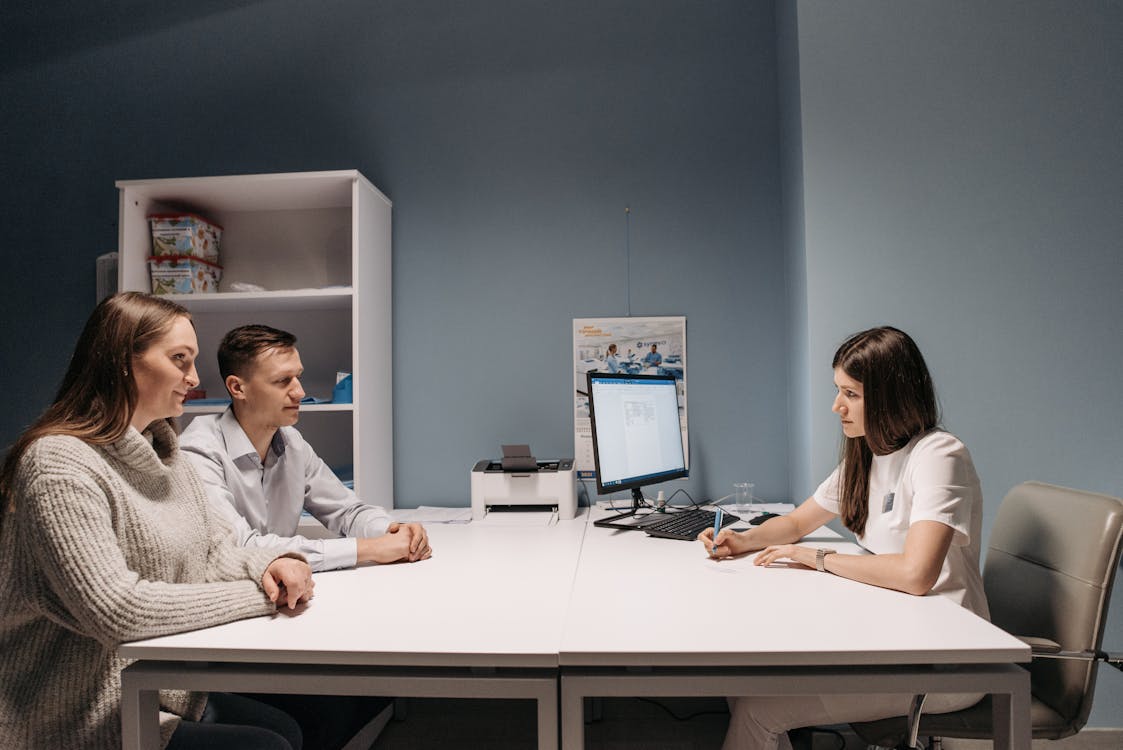


Most TRT content is written for the man considering treatment. This one is for the person who lives with him. Partners of men starting testosterone replacement therapy have a legitimate stake in understanding what's happening, what changes to expect, and how to navigate the process together. The information gap between what patients are told and what their partners know creates unnecessary confusion and sometimes unnecessary conflict.
I'm Dr. Farhan Abdullah at Magnolia Functional Wellness in Southlake. Here's what partners should actually know.
Why He Needed TRT in the First Place
Low testosterone isn't just about libido and muscle, though those get the most attention. Testosterone is a systemic hormone that affects mood, energy, cognitive sharpness, motivation, sleep quality, and emotional regulation. The man who has become increasingly irritable, withdrawn, exhausted, and disengaged over the past several years isn't necessarily going through something psychological. He may be experiencing the physiological consequences of a hormone that's been declining for a decade.
Understanding this reframes what TRT is. It's not vanity medicine. It's treating a hormonal deficiency that has been affecting his quality of life and -- by extension -- the quality of the relationship.
What Changes (and When)
The first changes partners often notice are in energy and mood -- usually within the first two to four weeks. He may seem more present, more motivated, more engaged. Sleep often improves around the same time. Libido returns, typically in the first month, and can initially exceed what partners are accustomed to -- this usually stabilizes as levels normalize.
Body composition changes take longer -- three to six months for meaningful muscle and fat changes. Mental clarity, competitive drive, and emotional stability continue improving over the first year. Some men describe the first year on TRT as a gradual process of feeling like themselves again -- specifically, who they were in their 30s.
What Partners Sometimes Worry About
The most common concern partners raise is mood -- specifically, whether testosterone will make him more aggressive or irritable. The short answer is that properly managed TRT typically improves emotional regulation rather than worsening it. Testosterone deficiency is strongly associated with irritability, low frustration tolerance, and emotional volatility. Restoring it to physiological levels generally produces the opposite effect -- more stability, not less. Supraphysiologic doses in bodybuilding contexts can affect mood negatively, but that's not what therapeutic TRT involves.
The other common concern is fertility. TRT suppresses the pituitary signals that stimulate sperm production (LH and FSH). If having children is still a consideration, this is an important conversation to have before starting treatment -- there are protocols that maintain fertility while treating low testosterone, and we discuss this in every relevant consultation.
How to Be a Useful Partner in the Process
Support the consistency. The men who get the best results from TRT are the ones who stay on protocol, keep their follow-up appointments, and don't skip doses when they're traveling or busy. A partner who understands why consistency matters is a genuine asset in that process. Also -- if you notice changes (positive or negative) that he hasn't mentioned to his physician, encourage him to report them. Partners often notice things patients minimize or don't think to mention.
Your Questions Answered
Led by trained medical professionals delivering safe, effective, and scientifically backed aesthetic and wellness treatments.
Need More Information?
Our team is ready to answer your specific questions and concerns.