
The Sleep-Testosterone Cycle: Fixing Sleep Apnea and Insomnia to Restore Your Hormones
Approximately 70% of daily testosterone is released in pulses during sleep, predominantly during REM cycles. Untreated obstructive sleep apnea causes testosterone suppression that rivals clinical hypogonadism -- and starting TRT without addressing underlying sleep apnea is treating a symptom while ignoring the cause. Dr. Farhan Abdullah explains the bidirectional relationship between sleep and testosterone, how to identify sleep-driven hormone suppression, and why sleep assessment is part of every hormone evaluation at Magnolia.
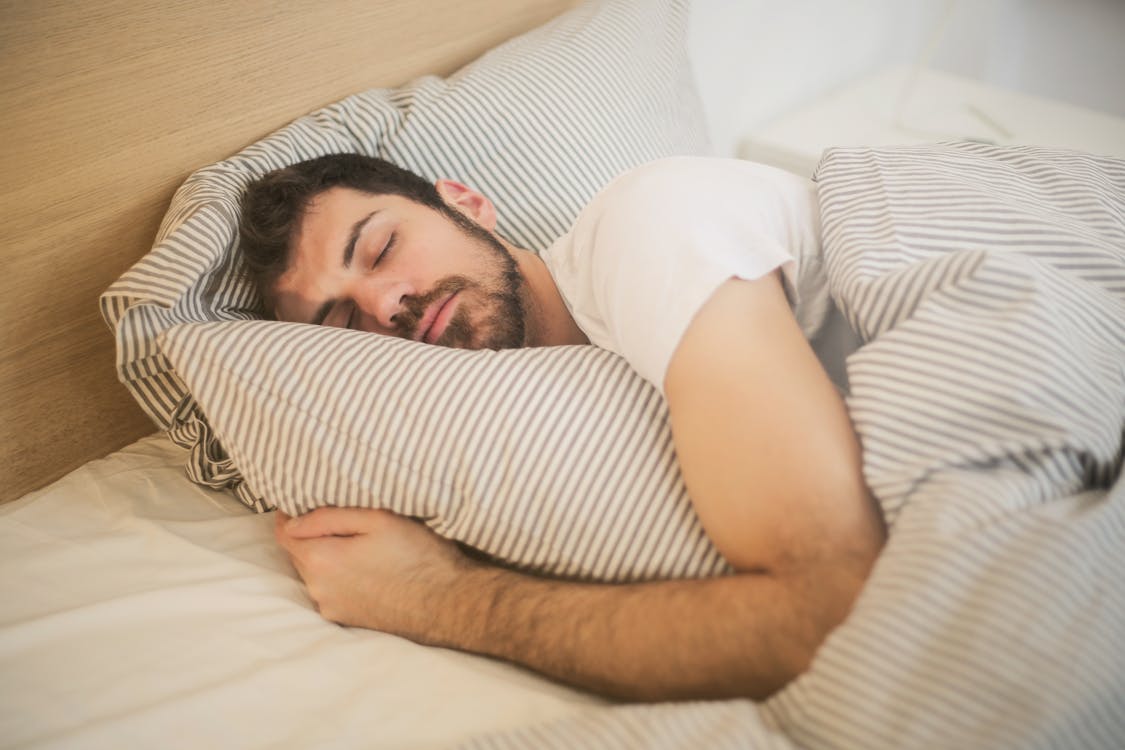


Here's something that doesn't get discussed enough in men's health: approximately 70% of daily testosterone secretion occurs during sleep, predominantly during REM cycles. If your sleep is fragmented, shortened, or disrupted by a condition like obstructive sleep apnea, you're not just tired -- you're actively suppressing your own testosterone production every single night.
I bring this up because it changes how we should approach low testosterone in a meaningful number of men. Starting TRT without evaluating sleep quality is treating a downstream symptom while leaving a major upstream cause completely unaddressed.
How Sleep Apnea Tanks Testosterone
Obstructive sleep apnea causes repeated nocturnal hypoxia -- brief drops in blood oxygen during the sleep-disordered breathing episodes. These hypoxic episodes disrupt the normal pulsatile LH secretion from the pituitary that drives testicular testosterone production. Studies have found that men with untreated moderate to severe OSA have testosterone levels significantly below those of age-matched controls, and that successful OSA treatment with CPAP produces meaningful increases in testosterone -- in some studies comparable to the effect of low-dose TRT.
The sleep deprivation component compounds this. A University of Chicago study found that restricting healthy young men to five hours of sleep per night for one week reduced daytime testosterone levels by 10 to 15%. Over years, chronic sleep restriction -- which describes a large proportion of working adults -- creates a persistent suppressive effect on the HPG axis.
The Bidirectional Problem
It gets more complicated because low testosterone itself worsens sleep quality. Testosterone supports REM sleep architecture, and testosterone deficiency is associated with more fragmented sleep, reduced deep sleep, and more frequent nighttime awakenings. So you get a cycle: poor sleep suppresses testosterone, low testosterone worsens sleep quality, which further suppresses testosterone.
This is why some men on TRT who had significant sleep issues before starting notice only partial improvement -- the exogenous testosterone helps the hormonal component but doesn't fix the structural sleep problem.
What We Evaluate at Magnolia
Every patient presenting with symptoms of low testosterone gets a sleep history as part of their intake. Snoring, witnessed apneas, morning headaches, unrefreshing sleep despite adequate hours, and daytime somnolence are all flags that prompt me to recommend a sleep study before initiating testosterone replacement therapy. In men where sleep apnea is identified and treated, I recheck testosterone levels after three to six months of CPAP compliance before assuming TRT is necessary -- sometimes it's not.
Practical Sleep Optimization for Testosterone
Beyond OSA, the fundamentals of sleep hygiene have real hormonal consequences. Consistent sleep and wake times regulate circadian cortisol and LH pulsatility. Cool room temperature (65 to 68 degrees) supports deeper sleep stages. Alcohol within three hours of bedtime suppresses REM sleep and blunts testosterone release. Blue light exposure before bed delays melatonin onset and compresses sleep architecture.
None of this is revolutionary. But most men with low testosterone who are asking about TRT haven't been told that fixing their sleep might move their morning testosterone levels by 150 to 300 ng/dL before any medication is involved. That's a conversation worth having first.
Your Questions Answered
Led by trained medical professionals delivering safe, effective, and scientifically backed aesthetic and wellness treatments.
Need More Information?
Our team is ready to answer your specific questions and concerns.