
Arthritis in the Hands: PRP for Thumb and Finger Joints
Thumb base arthritis can make opening a jar feel impossible. Dr. Abdullah walks through what randomized trials show about PRP for hand and thumb joints, why the newest placebo-controlled study disagrees with older ones, and how he decides who's a good candidate.


By Dr. Farhan Abdullah, DO | Medical Director, Magnolia Functional Wellness | Southlake, TX
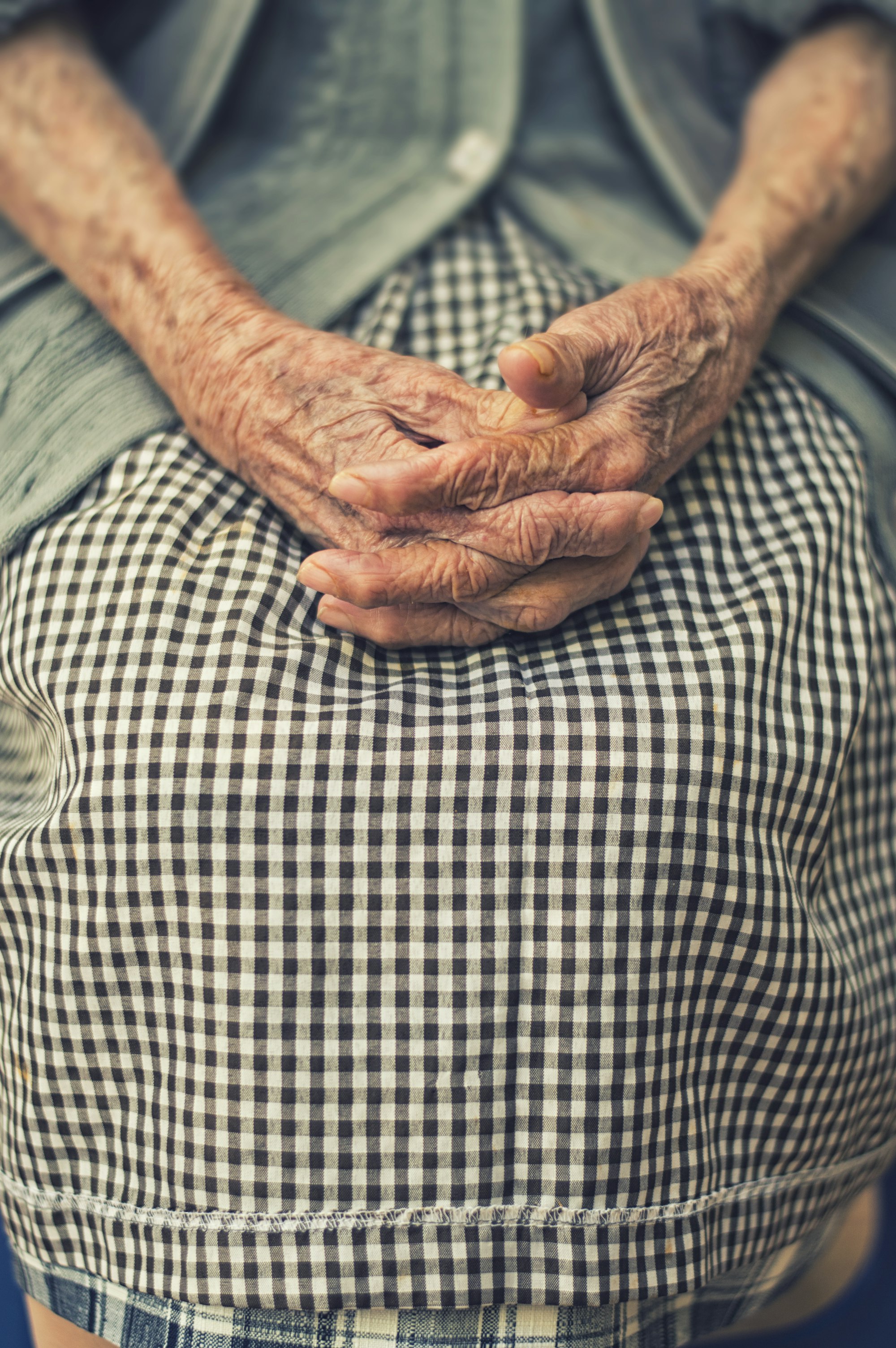
Twisting off a jar lid. Turning a key in the ignition. Pinching a zipper pull, buttoning a shirt cuff, writing a check at the dry cleaner. You don't think about any of these until the base of your thumb starts sending a hot, deep ache up into your wrist every single time you try. Then you think about it constantly. I'm Dr. Farhan Abdullah, Medical Director at Magnolia Functional Wellness in Southlake, and thumb base pain is one of the most common hand complaints in adults past fifty, especially women who've quietly started handing the pickle jar to someone else.
The question they usually arrive with is simple: can PRP help my hand the way people say it helps knees? The answer is more interesting than yes or no. The research on platelet-rich plasma in the small joints of the hand has grown a lot in the last few years, and the newest trial doesn't agree with the older ones. I'd rather walk you through that honestly than sell you a syringe. So let's look at what hand arthritis actually is, what the studies show, and how I decide whether PRP belongs in somebody's plan.
Not all hand arthritis is the same problem
When people say "arthritis in my hands," they can mean several very different things, and sorting them out is the first job. Osteoarthritis, the wear-and-remodeling kind, tends to hit three places. The joints closest to your fingertips develop bony bumps called Heberden's nodes. The middle knuckles of the fingers get Bouchard's nodes. And the joint at the very base of the thumb, where the thumb meets a small wrist bone called the trapezium, wears down in a way that can be surprisingly disabling. Doctors call that one the trapeziometacarpal or first carpometacarpal joint. I'll just call it the thumb base.
Why does the thumb base take such a beating? Because it's a saddle-shaped joint that has to move in almost every direction while also transmitting a lot of force. Every pinch multiplies load across that little surface. Ligaments that stabilize it tend to loosen with age (and hormonal shifts after menopause may play a role in that, though the science there isn't settled), so the joint starts to slide a bit with each grip. Cartilage thins, bone rubs, and eventually you can sometimes see a visible bump or a "squared-off" look at the base of the thumb.
One more thing before we talk treatment. Osteoarthritis isn't the only thing that makes hands hurt. Rheumatoid arthritis, psoriatic arthritis, and gout can all show up in the fingers, and they need entirely different treatment. Morning stiffness lasting more than an hour, swelling in the knuckles closest to the hand, symptoms on both sides in a symmetric pattern, or skin and nail changes all push me toward bloodwork and a rheumatology conversation before anyone talks about injections. Carpal tunnel and nerve problems from the neck can mimic thumb pain too. If we inject a joint that isn't the real source of the trouble, we've wasted your time and money.
So the first visit is mostly detective work. I'll look at the hand, press on specific spots, do a grind test at the thumb base, check pinch and grip strength, and order X-rays if we don't already have them. Imaging helps grade the disease. Early and moderate thumb arthritis behaves differently from a joint that's completely collapsed, and that grade shapes what I'll recommend.
What the studies on PRP for thumb arthritis actually show
PRP is made from your own blood. We draw a tube, spin it in a centrifuge to concentrate the platelets, and inject that concentrate into the joint. Platelets carry growth factors and signaling proteins involved in tissue repair and inflammation control. The theory is appealing. The question is whether it holds up in a joint the size of a pencil eraser.
The study that put PRP for the thumb on the map was a randomized trial from Athens published in Cartilage by Malahias and colleagues. They took 33 patients with early to moderate thumb base arthritis and gave half of them two ultrasound-guided PRP injections two weeks apart. The other half got two injections of a corticosteroid with lidocaine on the same schedule. At 12 months, the PRP group had significantly better pain scores, better function on a standard hand questionnaire, and higher satisfaction. The steroid group felt better early, then drifted back. That's an encouraging result, but notice the size. Thirty-three people is a small trial, and there was no placebo arm.
Then the pooled data came in. A 2025 network meta-analysis by Chen and colleagues in the American Journal of Physical Medicine and Rehabilitation gathered 14 randomized trials of joint injections for hand osteoarthritis, covering 674 patients. Looking at outcomes six months or more after treatment, PRP and dextrose both improved pain and hand function, and PRP ranked highest of the options studied. No major side effects were reported. The authors concluded both could be recommended. Sounds like a slam dunk, right?
Not so fast. That review only searched studies through mid-2023. In 2025, a group in Stockholm published the cleanest test yet: a double-blind, placebo-controlled trial by Evans and colleagues in JBJS Open Access. Ninety patients with painful thumb base arthritis received a single injection of either PRP or plain saline. At six months, pain with use dropped a median of 10 points on a 100-point scale in the PRP group and didn't budge in the saline group, but that difference wasn't statistically significant. Grip, pinch, and function scores didn't separate either. Their conclusion was blunt: a single PRP injection had no short-term effect on pain compared with placebo.
And corticosteroid isn't the villain some clinics make it out to be. A 2024 meta-analysis from Duke's hand surgery division by Krez and colleagues in the Journal of Hand Surgery pooled 10 randomized trials and 673 patients. Steroid shots weren't measurably different from hyaluronic acid on pain and strength, and pain at rest at medium-term follow-up didn't differ between steroid and PRP. Given the low cost and ease, those authors called steroids a favorable option.
So how do I reconcile studies that disagree?
This is where being a physician, instead of a marketer, actually matters. When good trials point in different directions, the honest move is to ask why, not to cherry-pick the one you like.
A few differences jump out. The Athens trial used two injections; the Stockholm trial used one. That detail matters. In knee research, multi-injection series tend to look better than single shots, and it's plausible the thumb behaves the same way, though nobody has proven that for this joint. The Athens trial compared PRP against a steroid, which fades over months, while Stockholm compared it against saline, which is the tougher and fairer test. Saline injections in painful joints often produce real improvement of their own, partly from the needle, partly from expectation, partly from the natural ebb and flow of arthritis pain. And PRP isn't one product. Platelet concentration, white cell content, and preparation method vary from system to system, which makes trials hard to compare.
Putting it together, here's what I tell patients. PRP for thumb arthritis has some supportive evidence and at least one well-designed negative trial. The benefit, if you get one, is probably modest, and probably more likely in early to moderate disease than in a joint that's bone on bone. More placebo-controlled trials are underway, and I'll update my thinking as they report. Anyone who promises you PRP will regrow cartilage in your thumb is getting ahead of the data.
Does that mean I never offer it? No. It means I offer it to the right person, with clear expectations, after the basics have had a fair shot. Some patients have tried steroid shots that wore off quickly, don't want to keep repeating them, and aren't ready for surgery. For them, a PRP series is a reasonable conversation. We go over what PRP is and how we prepare it on our PRP injections page, and I walk through the trade-offs in the room before anyone commits.
What I try before (and alongside) any injection
An unglamorous truth about thumb arthritis: the conservative stuff works better than most people expect, and it's often skipped because it doesn't feel like "treatment." I start here with almost everyone.
- A good thumb splint. A hand-based orthosis that stabilizes the thumb base, worn during aggravating tasks or at night, calms a lot of flares. Off-the-shelf can work. A custom one from a hand therapist often fits better.
- Hand therapy. Strengthening the small muscles that stabilize the thumb can reduce that sliding motion at the joint. A certified hand therapist can make a big difference here.
- Joint protection habits. Fat-handled pens, electric jar openers, lever-style door handles, key turners. Small swaps cut the load on a tiny joint thousands of times a week.
- Topical anti-inflammatory gels. For many people they offer real relief with far less systemic exposure than pills, which matters if you're over sixty or have kidney or stomach concerns.
- Heat or cold, whichever feels better. Warm paraffin or a warm water soak in the morning helps stiffness. Ice after a long day of yard work helps flares.
I also look at the whole person. Insulin resistance, excess weight, poor sleep, and low-grade systemic inflammation all seem to make osteoarthritis pain worse, even in joints that don't bear body weight. That's the functional medicine side of my training showing. Hands aren't separate from metabolism. For some patients, improving blood sugar control or sleep quality takes the edge off joint pain in ways an injection never could.
If you're gardening in a Texas August, pulling weeds and gripping pruning shears for two hours straight, your thumbs will let you know. Pace the work, switch hands, use padded tools. It sounds obvious. It works.
When PRP makes sense, and when surgery might be the better call
If conservative care has been given a real trial (I usually think in terms of a couple of months with consistent splinting and therapy) and you're still struggling, we talk about injections. At that point the options are a steroid shot, a PRP series, or occasionally hyaluronic acid. Each has a place.
A steroid shot works fast and costs little. If you need relief for a specific event, a wedding, a busy season at work, a trip, it's often the most sensible choice. The downside is that relief commonly fades, and I'm cautious about repeating steroid injections over and over in the same small joint.
PRP is slower. People rarely feel much in the first few weeks, and the honest window for judging it is around three to six months. Afterward the joint can be sore for a few days, and I ask patients to avoid anti-inflammatory pills for a stretch around the injection, since those may blunt the very response we're trying to encourage. It's best suited to early or moderate arthritis in someone who wants to avoid repeated steroids and understands the evidence is mixed.
And sometimes the right answer is a hand surgeon. When X-rays show advanced collapse, when the thumb has started to deform, or when pain wrecks sleep and daily function despite everything else, surgical procedures for thumb base arthritis have a long track record of reducing pain. I refer those patients without hesitation. A regenerative medicine clinic that never says "you need a surgeon" is doing you a disservice.
For a broader look at how we think about PRP across joints, tendons, and sports injuries in the Dallas-Fort Worth area, our PRP joint and tendon guide covers the bigger picture.
If your thumb has started dictating how you open jars, hold a coffee cup, or grip a steering wheel, don't just live with it. Get the diagnosis pinned down first, give the basics a fair shot, and then weigh injections with clear eyes about what each one can and can't do. That's how we approach hands at Magnolia Functional Wellness in Southlake: careful exam, honest evidence, and a plan built around what you actually need your hands to do.
Your Questions Answered
Led by trained medical professionals delivering safe, effective, and scientifically backed aesthetic and wellness treatments.
Can PRP help arthritis at the base of my thumb?
<p>It might, but the evidence is mixed. A small trial found two PRP injections beat steroid shots at 12 months, while a newer placebo-controlled trial of a single injection found no clear difference. At Magnolia Functional Wellness in Southlake, I consider PRP mainly for early to moderate thumb arthritis after splinting and hand therapy have had a fair try.</p>
Is a cortisone shot or PRP better for thumb arthritis?
<p>They do different jobs. A cortisone shot works quickly and costs less, which makes it a good choice when you need relief soon, though it often wears off. PRP is slower and the research on it is still mixed, so I see it as an option for people who'd rather not keep repeating steroids. We'll talk through both at Magnolia Functional Wellness before you decide.</p>
Does a thumb splint actually help arthritis pain?
<p>Yes, for a lot of people it's one of the most useful things you can do. A splint that stabilizes the base of the thumb takes load off the joint during pinching and gripping, and wearing it during aggravating tasks or at night often calms a flare. A hand therapist can fit one properly and teach exercises that support the joint.</p>
How soon should I expect results after PRP or stem cell therapy?
Regenerative treatments don't work like a switch, so most people don't feel much in the first few weeks. The first real signals usually show up around months two and three, and the fuller effect tends to land between months four and six as your tissue finishes remodeling. At Magnolia Functional Wellness in Southlake, we build in a six-month check-in specifically because that's when we can honestly judge your trajectory.
Does PRP mean I can avoid surgery altogether?
For some milder tendon, ligament, or joint injuries, PRP earlier in the process can help you heal enough to delay or reconsider surgery. But for a full-thickness tear or a joint that clearly needs repair, surgery is still the right call, and PRP is there to support your recovery. Dr. Abdullah won't promise you'll skip an operation you genuinely need. We'd rather give you an honest assessment of where PRP fits in your specific situation.
Need More Information?
Our team is ready to answer your specific questions and concerns.