
PRP for Joint Pain: What the Knee, Shoulder, and Hip Data Actually Shows
PRP has strong clinical trial evidence for knee osteoarthritis -- outperforming both cortisone and hyaluronic acid in multiple meta-analyses with more durable results and a tissue-protective rather than tissue-degrading effect. Evidence for shoulder tendinopathy and hip OA is solid and growing. Dr. Farhan Abdullah reviews the joint-specific data, explains what makes a good candidate, and describes why platelet concentration in the PRP system used matters more than most patients realize.
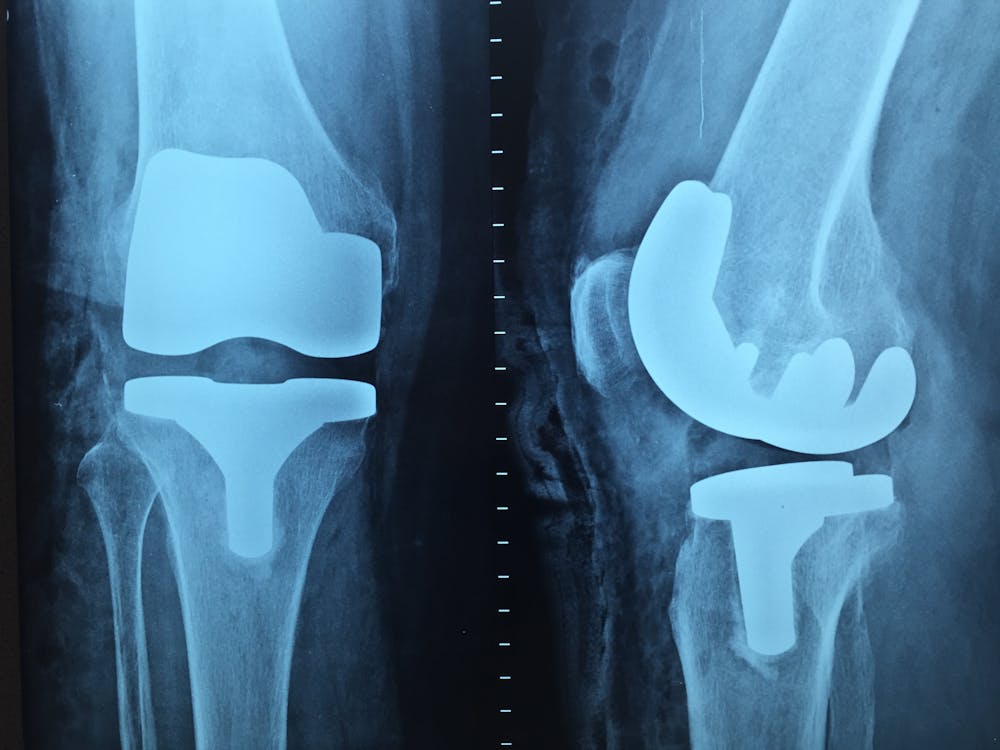


Joint pain is one of the most common reasons adults over 40 end up modifying their lives around a limitation they've been told is just something they have to manage. Cortisone shots for a few months of relief. Anti-inflammatories that work until they don't. A surgical consult that ends with "let's wait until it's bad enough to justify operating." Meanwhile the knee that used to let you play tennis now dictates whether you can walk the golf course.
PRP -- platelet-rich plasma -- has emerged as a meaningful option in this gap, and the evidence base across the three most commonly affected joints has matured significantly over the past decade. I want to give you an honest review of what the data shows for each, because they're not identical.
Knee Osteoarthritis: The Strongest Evidence
Knee OA is where PRP has the most robust clinical trial data, and it's where I'm most confident recommending it. Multiple systematic reviews and meta-analyses have found that PRP outperforms both hyaluronic acid (HA) injections and corticosteroids for pain reduction and functional improvement in knee osteoarthritis, with effects that are more durable -- typically lasting 12 months or longer compared to the three to six month window of corticosteroids.
A 2021 meta-analysis of 18 randomized controlled trials concluded that PRP produced superior outcomes to HA at six and twelve months for both pain and function in knee OA. Importantly, PRP appears to have a disease-modifying effect that corticosteroids lack -- rather than simply suppressing inflammation, PRP growth factors promote cartilage cell survival, reduce inflammatory cytokines locally, and support the synovial environment. Repeated corticosteroid injections actually accelerate cartilage degradation over time. PRP doesn't.
For mild to moderate knee OA, a series of two to three PRP injections over four to six weeks is the evidence-supported protocol. Grade 4 (bone-on-bone) OA is a harder target and outcomes are less predictable, though some patients still benefit.
Shoulder: Good Evidence for Specific Conditions
Shoulder PRP evidence is strong for rotator cuff tendinopathy and partial-thickness rotator cuff tears -- conditions that are extremely common and frequently undertreated. Growth factors in PRP stimulate tenocyte proliferation and collagen synthesis in tendon tissue, promoting structural healing rather than just symptom management.
For shoulder osteoarthritis, the data is less robust than for the knee but still supportive, with several studies showing meaningful pain reduction and improved range of motion. Adhesive capsulitis (frozen shoulder) is an emerging application with promising early data -- the anti-inflammatory and tissue-remodeling effects of PRP appear to help break the inflammatory cycle driving capsular fibrosis.
Full-thickness rotator cuff tears are generally not a PRP indication on their own -- structural repair of complete tendon rupture typically requires surgical intervention. PRP can be used as an adjunct to surgical repair to improve healing outcomes, but it's not a standalone treatment for a completely torn cuff.
Hip: Promising but Less Studied
Hip OA data lags behind the knee, partly because the hip is a deeper joint that's technically more challenging to inject accurately without imaging guidance. The studies that have been done show meaningful pain and function improvements with PRP in hip OA, with a similar duration of effect to what's seen in the knee. One 2018 randomized controlled trial found PRP superior to HA for hip OA at three and six month follow-up.
For hip labral tears and femoroacetabular impingement, PRP data is early-stage but biologically plausible -- the growth factor environment supports tissue healing in fibrocartilaginous structures. These applications are typically part of a comprehensive management plan rather than a standalone fix.
What Makes a Good PRP Candidate
The patients who respond best to joint PRP tend to have mild to moderate disease (not end-stage bone-on-bone), are willing to complete the full injection series rather than stopping after one, and combine treatment with appropriate physical therapy or rehabilitation. PRP creates a biological environment for tissue repair -- it still requires mechanical loading and movement to direct that repair productively.
At Magnolia Functional Wellness, we use the EmCyte 60mL PurePRP SP system which produces a 15x platelet concentration -- well above the threshold needed for meaningful growth factor delivery. Platelet concentration matters considerably; low-concentration PRP from underpowered systems produces weaker results. If you've tried PRP somewhere else without satisfying results, it's worth asking what system was used and what platelet concentration was achieved before concluding the therapy doesn't work for you.
Your Questions Answered
Led by trained medical professionals delivering safe, effective, and scientifically backed aesthetic and wellness treatments.
Need More Information?
Our team is ready to answer your specific questions and concerns.