
Heat Shock Proteins: The Molecular Reason Saunas Extend Lifespan
Can sitting in a hot room actually help you live longer? Dr. Farhan Abdullah breaks down the science of heat shock proteins, hormesis, and the Finnish sauna research linking regular heat exposure to lower mortality. A practical, honest look at using sauna bathing as a longevity tool at Magnolia Functional Wellness in Southlake.
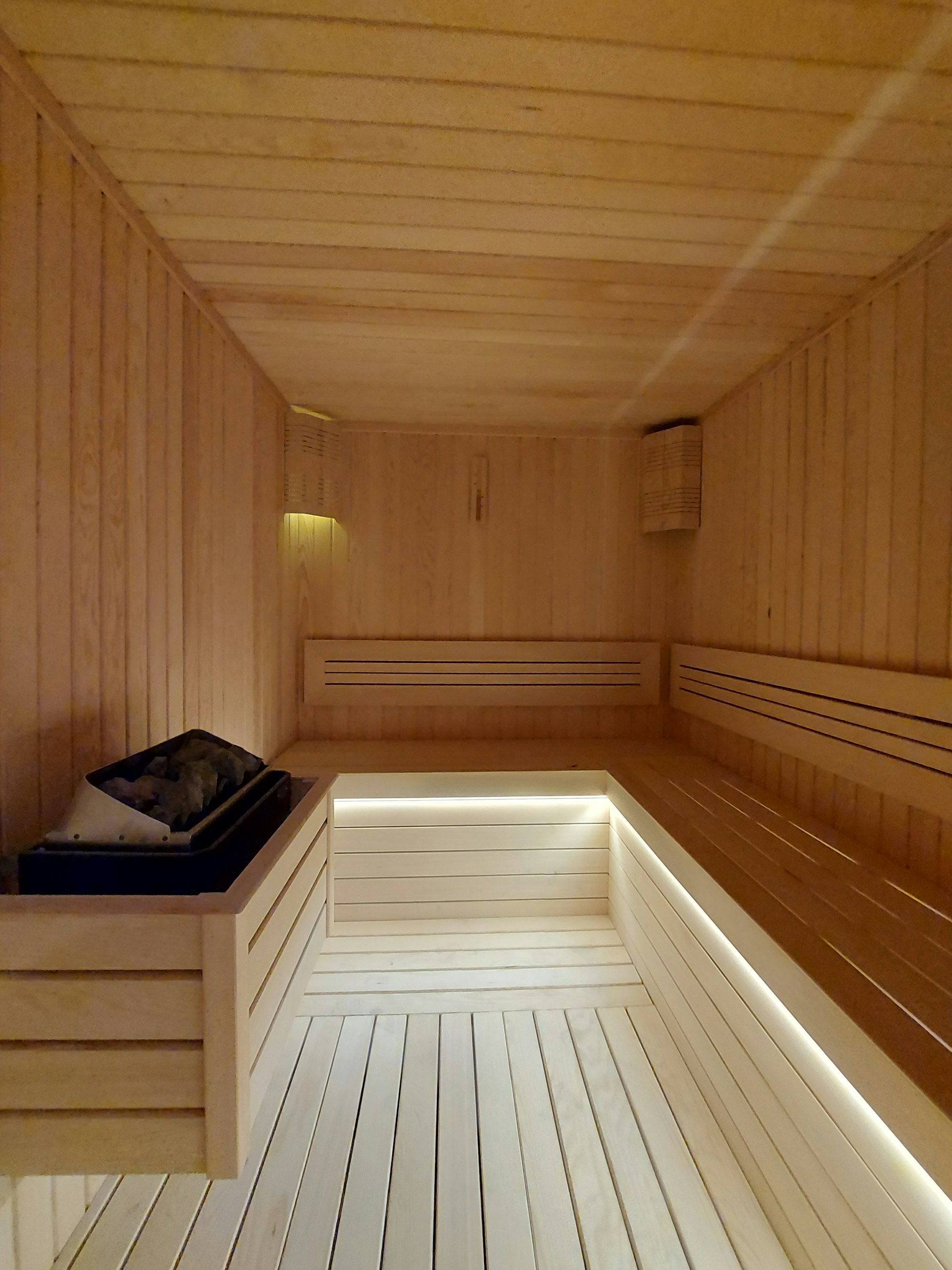


Here's a question I get more than you'd think: can sitting in a hot room actually help you live longer? It sounds like the kind of wellness claim that belongs on a supplement bottle. But the data behind sauna bathing is some of the most compelling longevity research we have, and most of it traces back to a single molecular character that almost nobody talks about at the dinner table. Heat shock proteins.
I'm Dr. Farhan Abdullah, and I run Magnolia Functional Wellness in Southlake. I'm an internal medicine physician by training, and I spent years in hospitals watching people end up there for reasons that, in hindsight, were often preventable. So when a longevity intervention shows up with real human outcome data attached to it, not just a mouse study or a podcast anecdote, I pay attention. Heat exposure is one of those interventions. And the reason it works is genuinely fascinating once you understand what's happening inside your cells when the temperature climbs.
Let me walk you through the biology, the evidence, and what I actually tell my patients about using heat as a tool rather than a gimmick.
What Heat Shock Proteins Actually Do
Your cells are crowded, busy places. Proteins are getting built, folded, used, and recycled around the clock, and the folding part matters enormously. A protein only works if it folds into the right three-dimensional shape. Misfold it, and you've got a useless or even toxic molecule clogging up the works. This is not a minor housekeeping issue. Accumulated misfolded protein is one of the central features of aging and shows up in conditions ranging from neurodegeneration to cardiovascular disease.
Enter heat shock proteins, often abbreviated HSPs. They're a family of molecular chaperones, and their job is to babysit other proteins. They guide newly made proteins into the correct shape, they refold proteins that have started to come undone, and they escort the hopeless cases off to be broken down before they cause trouble. Think of them as quality control on a factory floor, except the factory is every cell in your body.
Now here's the interesting part. These proteins are called "heat shock" proteins for a reason. They were first discovered when researchers exposed cells to elevated temperatures and watched a specific set of genes light up in response. Heat stresses the cell. The cell senses that stress and ramps up production of HSPs to protect itself. It's a defensive reflex baked deep into our biology, one we share with organisms as simple as yeast.
When you sit in a sauna and your core temperature rises a degree or two, you're triggering that same ancient response on purpose. Your cells interpret the heat as a stressor and flood the system with protective chaperones. HSP70 and HSP90 are two of the big players. The beauty of it is that this protective machinery doesn't just clean up heat damage. Once activated, it goes to work on the everyday wear and tear that accumulates regardless of temperature. You've essentially upregulated your cellular maintenance crew.
Hormesis: Why a Little Stress Makes You Stronger
This brings us to a concept that sits at the heart of a lot of longevity science: hormesis. The idea is that a small, controlled dose of a stressor provokes an adaptive response that leaves the organism more resilient than it was before. Exercise is the classic example. You damage muscle fibers and deplete energy stores, and in response your body rebuilds stronger. The stress isn't the enemy. The stress is the signal.
Heat works the same way. A sauna session is a deliberate, time-limited dose of thermal stress. Your heart rate climbs, often into a range you'd see during moderate exercise. Your blood vessels dilate. Your body sweats to cool itself, and your cardiovascular system gets a real workout moving blood to the skin. And underneath all of that, the heat shock response is firing, building up your protein quality control for the days that follow.
What makes hormesis tricky, and what I think gets lost in a lot of the online enthusiasm, is the dose. Too little and you get no adaptive signal. Too much and you've moved from beneficial stress to actual injury. Nobody benefits from a heat stroke. The Finnish sauna tradition, which is where most of the good research comes from, tends to land in a sweet spot: temperatures around 80 to 100 degrees Celsius for sessions of roughly 15 to 20 minutes, a few times a week. That's the dose that the outcome data is built on, and it's worth respecting.
I bring up hormesis with patients all the time because it reframes how they think about discomfort. The sauna isn't pleasant in the moment, not really. Neither is the last set of squats. But that brief, tolerable strain is exactly what's prompting your body to adapt. You're not avoiding stress to stay healthy. You're choosing the right kind.
The Human Evidence Is Surprisingly Strong
I'm cautious about longevity claims, because the field is littered with interventions that looked great in a petri dish and evaporated when tested in actual people. Heat is different, largely thanks to a long-running Finnish study population.
The landmark paper came out of the Kuopio Ischemic Heart Disease cohort, published in JAMA Internal Medicine in 2015 by Laukkanen and colleagues. They followed more than 2,300 middle-aged Finnish men for an average of about two decades and tracked how often they used the sauna. The results were striking. Compared to men who used the sauna once a week, those who went four to seven times a week had substantially lower rates of sudden cardiac death, fatal cardiovascular disease, and all-cause mortality. This was a dose-response relationship, meaning more frequent sauna use tracked with lower risk. That pattern is one of the things epidemiologists look for when they're trying to separate a real effect from noise.
A few years later, the same research group published a broader review in Mayo Clinic Proceedings in 2018, pulling together the accumulating evidence on sauna bathing and cardiovascular health, blood pressure, and even risk of conditions like dementia. And in 2021, Rhonda Patrick and Teresa Johnson published a detailed review in Experimental Gerontology specifically framing sauna use as a healthspan-extending practice, walking through the heat shock protein mechanisms, the cardiovascular adaptations, and the parallels to exercise. A more recent 2023 review, again in Mayo Clinic Proceedings by Kunutsor and Laukkanen, looked at how combining sauna with other healthy habits might stack the benefits.
Now, a word of honesty, because I owe you that. This is observational data, mostly. People who sit in saunas four times a week may differ from people who don't in ways that are hard to fully account for. They may have more leisure time, less financial stress, healthier habits across the board. Researchers adjust for what they can, but observational studies can't prove causation the way a randomized trial can. What gives me confidence isn't any single study. It's that the epidemiology, the cardiovascular physiology, and the cellular biology all point in the same direction. When three different kinds of evidence agree, you start to take the signal seriously.
How Heat and Exercise Rhyme
One reason I find this research so persuasive is how closely heat exposure mimics the physiology of aerobic exercise. When you're in a hot sauna, your heart rate can climb to 100 to 150 beats per minute. Cardiac output increases. Your body shunts blood toward the skin to dump heat, which means your circulatory system is doing meaningful work. Over time, regular heat exposure has been associated with improvements in blood pressure and measures of vascular function, the same adaptations we chase with cardio.
I want to be clear about something, though, because I've had patients take this the wrong way. Heat is not a replacement for exercise. It's a complement. The man who skips the gym entirely and sits in a sauna instead is missing most of the point. Where heat genuinely shines is as an addition to an active life, or as a bridge for people who can't exercise the way they'd like to. If you've got bad knees or you're recovering from an injury and you can't get your cardio in, passive heat exposure offers a way to capture some of the cardiovascular and cellular benefits while you heal. That's a real clinical use, and it's one of the reasons I think about heat as a legitimate tool in a longevity plan rather than a spa indulgence.
Here in Texas, I'll admit there's a certain irony in recommending a sauna. Most of my Southlake patients spend July trying to escape the heat, not seek it out. But the controlled, intentional heat of a sauna is a different animal from the ambient misery of a DFW summer afternoon. One is a dose. The other is just weather.
Putting It to Work Safely
So how do you actually use this? If you've got access to a traditional or infrared sauna and no contraindications, the research-backed pattern is straightforward: aim for sessions of around 15 to 20 minutes, a few times per week, at a temperature you can tolerate without misery. Hydrate before and after, because you're losing real fluid through sweat. Don't combine it with alcohol, which blunts your body's ability to regulate temperature and is genuinely dangerous in a hot environment.
There are people who need to be careful or check with a physician first. If you have unstable cardiovascular disease, a history of certain arrhythmias, very low blood pressure, or you're pregnant, the calculus changes and you shouldn't just dive in based on a blog post. Heat is a real physiological stressor, and the same response that makes it beneficial can be risky if your system isn't equipped to handle it. This is exactly the kind of thing we sort through during a consultation, where we can look at your actual cardiovascular picture rather than guessing.
I also want to set expectations honestly. Heat shock proteins are not a magic switch. You won't sit in a sauna twice and reverse a decade of aging. What you're doing is nudging a fundamental cellular maintenance system to run a little more actively, consistently, over years. That's how most of the interventions that genuinely move the needle on longevity work. They're not dramatic. They're durable. The patients I see get the most out of this are the ones who fold it into a broader plan alongside strength training, decent sleep, sensible nutrition, and the targeted therapies we offer at Magnolia for the things that lifestyle alone won't fix.
For patients who are serious about extending not just lifespan but healthspan, the years you actually feel good in, heat exposure fits naturally into the kind of evidence-informed approach we take in our longevity and geroprotective medicine work. And for those looking to support cellular energy and repair from another angle, therapies like NAD+ optimization address a related piece of the same aging puzzle.
The takeaway I'd leave you with is this. The sauna isn't exotic, and it isn't new. Humans have been sweating in hot rooms for thousands of years. What's new is that we finally understand part of why it helps, right down to the chaperone proteins folding and refolding the molecular machinery that keeps you alive. If you're in Southlake and you want to build heat exposure into a longevity strategy that's actually grounded in evidence, that's the kind of conversation we have every week at Magnolia Functional Wellness. Sometimes the oldest tools turn out to be the ones worth keeping.
By Dr. Farhan Abdullah, DO | Medical Director, Magnolia Functional Wellness | Southlake, TX
Your Questions Answered
Led by trained medical professionals delivering safe, effective, and scientifically backed aesthetic and wellness treatments.
Does sauna actually help me live longer?
The strongest evidence comes from a 20-year Finnish cohort study showing that men who used the sauna 4 to 7 times per week had significantly lower cardiovascular and all-cause mortality compared to once-a-week users. It's observational, so we can't prove causation, but the proposed mechanisms (heat shock proteins, improved endothelial function, lower blood pressure) are biologically plausible. At Magnolia Functional Wellness in Southlake, I tell patients regular sauna is one of the lowest-risk longevity tools we have access to right now.
What's the best longevity drug in 2026?
There's no single winner yet. Metformin has the most human data behind it and rapamycin has the most mechanistic excitement, though neither is FDA-approved for longevity and both are used off-label when they're used at all. The honest answer is that the strategies with the strongest evidence still aren't drugs. They're resistance training, sleep, cardiovascular fitness, hormone optimization where it's clinically indicated, and controlling inflammation. At Magnolia Functional Wellness in Southlake we build longevity protocols around the patient rather than around whatever compound is trending.
Is longevity medicine the same as anti-aging supplements?
No — and the distinction matters. The agents discussed on this page are FDA-approved medications or well-characterized pharmaceutical compounds used off-label with specific mechanistic targets, growing clinical evidence, and physician-supervised monitoring protocols. This is fundamentally different from the supplement industry, which sells products in the vocabulary of longevity science without the regulatory standards, manufacturing quality controls, or clinical oversight that prescription medicine involves. Rapamycin and dasatinib are prescription medications that require physician evaluation precisely because they have meaningful biological effects — which is also why they're worth taking seriously.
What are heat shock proteins, and why do they matter for aging?
Heat shock proteins are molecular chaperones that help your cells fold proteins correctly and clear out the damaged ones before they cause problems. Misfolded protein is one of the drivers of aging, so keeping this cleanup system active matters. When you expose your body to heat, like in a sauna, you trigger more of these proteins, which is part of why regular heat exposure shows up in the longevity research. We're happy to walk through how it fits your plan at Magnolia Functional Wellness in Southlake.
Is sauna use safe for everyone?
For most healthy people, sauna use is well tolerated, but it's a real physiological stressor, so it isn't right for everyone. If you have unstable heart disease, certain arrhythmias, very low blood pressure, or you're pregnant, you should check with a physician before starting. Hydrate well, skip the alcohol, and don't push past what you can comfortably tolerate. If you're in Southlake and want to know whether heat exposure fits your situation, that's exactly the kind of thing we sort out during a consultation at Magnolia Functional Wellness.
Need More Information?
Our team is ready to answer your specific questions and concerns.